



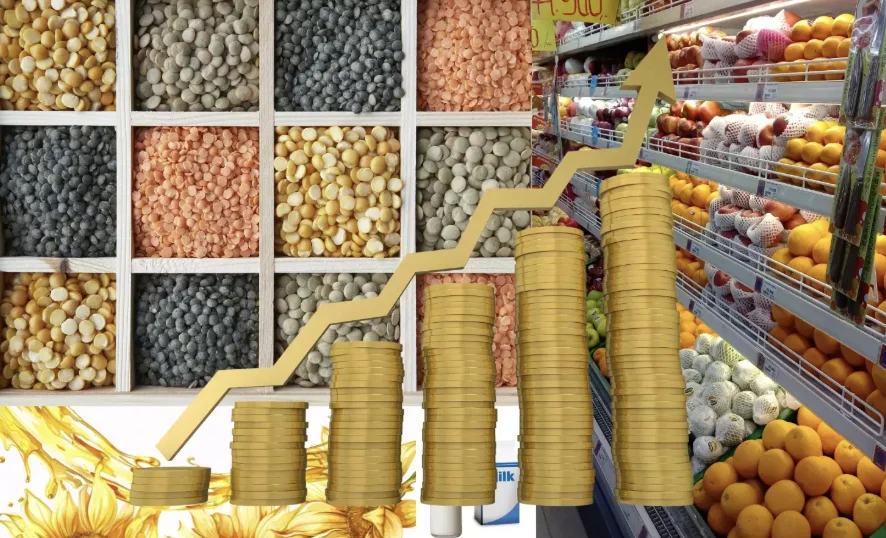
Essential Commodity Prices Rise
Several everyday essentials have become more expensive in Andhra Pradesh.
Higher food prices are increasing household expenditure and putting pressure on monthly budgets. Families are having to allocate a larger share of their income to basic food requirements.
Impact of Vegetable Prices
Changes in vegetable prices can have an immediate impact on household spending.
Lower supplies, weather conditions and disruptions in the movement of agricultural produce can cause prices of certain vegetables to rise sharply.
Pulses and Other Food Items
Pulses, grains and other essential cooking ingredients are also important components of household expenditure.
When prices rise across these categories, consumers may respond by reducing quantities, switching to cheaper alternatives or cutting spending on other items.
Supply Chain Plays a Key Role
A stable supply chain is essential for keeping prices under control.
Any increase in costs or disruption as agricultural produce moves from farmers to wholesale markets and retailers can eventually be reflected in the prices paid by consumers.
Transportation Costs Add Pressure
Fuel and transportation costs can have a direct impact on retail food prices.
When commodities need to be transported over longer distances to reach markets, higher logistics costs can add to the final price paid by consumers.
Weather Conditions Matter
Heavy rainfall, deficient rainfall, extreme heat and flooding can affect agricultural production and supply.
When production falls, reduced availability can push market prices higher. Perishable commodities such as vegetables and fruits can be particularly sensitive to such disruptions.
Growing Burden on Households
Higher food prices tend to affect lower-income households more severely.
Families that already spend a large portion of their income on food, fuel and transportation may have to reduce spending on other essential needs when prices rise.
Inflationary Impact
Persistent increases in essential commodity prices can also contribute to consumer inflation.
If food prices remain elevated, household purchasing power can weaken. Sustained inflation can also influence broader economic decisions involving consumption and interest rates.
Need for Government Measures
Market monitoring, better inventory management and stronger supply chains can help manage sudden price increases.
Authorities may also need to monitor markets for illegal hoarding, artificial shortages and excessive pricing to prevent unnecessary pressure on consumers.
Balancing Farmers and Consumers
Price management must balance the interests of both farmers and consumers.
Farmers need remunerative prices for their produce, while consumers need affordable access to essential goods. Strengthening direct market linkages and reducing unnecessary intermediary costs could help improve price stability over the longer term.
Conclusion
Rising prices of essential commodities in Andhra Pradesh are putting additional pressure on household budgets. Vegetables, pulses, grains and other daily-use products can be affected by supply conditions, weather disruptions, transportation costs and changes in demand and supply.
Strengthening supply chains, monitoring markets and balancing farmer and consumer interests will be important for containing price pressures and improving stability in essential commodity markets.