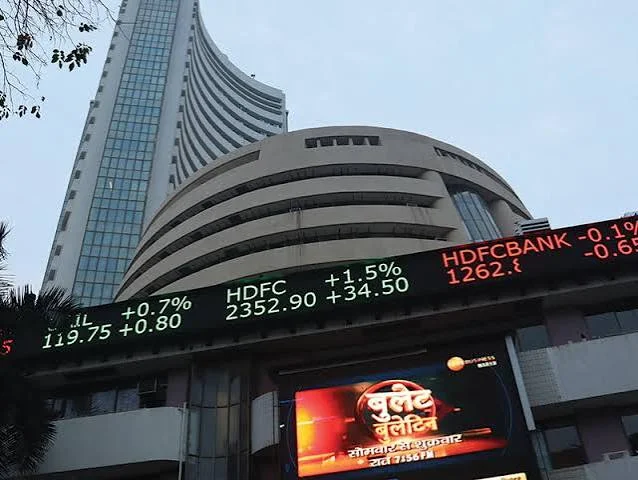
It was a rough day for Indian IT stocks.
Shares of some of the country’s biggest technology companies fell sharply, wiping out nearly ₹55,000 crore in market value in just one trading session. Infosys, HCL Technologies, Tech Mahindra, TCS, Wipro and Persistent Systems were among the companies hit by the sell-off.
So, what spooked investors?
US Visa Concerns Take Centre Stage
Much of the worry came from the US, which remains the biggest market for Indian IT companies.
Concerns grew after US authorities suspended Cognizant’s PERM labour-certification filings, a process used by companies to sponsor foreign workers for employment-based green cards.
For Indian IT firms, the development raises an uncomfortable question: what happens if the US makes it harder or more expensive to bring skilled employees into the country?
That could increase staffing costs and put additional pressure on the traditional model where Indian companies combine offshore teams in India with employees working onsite in the US.
₹55,000 Crore — But Not a Cash Loss
The headline number sounds huge, but there is an important distinction.
Indian IT companies did not actually lose ₹55,000 crore in cash in one day. The figure represents the fall in their combined market capitalisation — essentially, the value investors placed on their shares.
When share prices fall, market capitalisation falls with them.
Still, the sell-off is significant because it shows how quickly investor sentiment can change when the sector faces uncertainty in its biggest market.
IT Already Has Enough on Its Plate
US immigration concerns are not the only challenge facing Indian IT companies.
The industry is already dealing with uncertainty around global technology spending, interest rates and the rapid growth of artificial intelligence.
AI, in particular, is forcing IT companies to rethink the way they deliver services. Tasks that once required large teams are increasingly being automated, while clients are demanding more specialised and higher-value technology services.
That means Indian IT firms are under pressure from both sides — changing US policies and a rapidly changing technology landscape.
What Happens Next?
One bad trading day does not mean Indian IT is in crisis. Markets often react to fear and uncertainty long before those concerns show up in actual company earnings.
But the message from investors is hard to ignore.
Indian IT has benefited enormously from the US market for decades. Going forward, companies may need to reduce their dependence on a single market, expand local hiring, build new revenue streams and move faster into areas such as AI, cloud and cybersecurity.
The ₹55,000 crore loss may be a one-day market event. But it is also a reminder that Indian IT is entering a very different phase — one where adapting quickly could matter just as much as growing quickly.