


Vaccine Supplies Reach Ebola-Affected DRC
The Democratic Republic of the Congo is stepping up its response to an Ebola outbreak with more than 16,000 doses of the Ervebo vaccine arriving for use in affected areas.
The shipment is expected to support vaccination efforts among people at higher risk of exposure and strengthen the country's broader outbreak response.
What Is Ervebo?
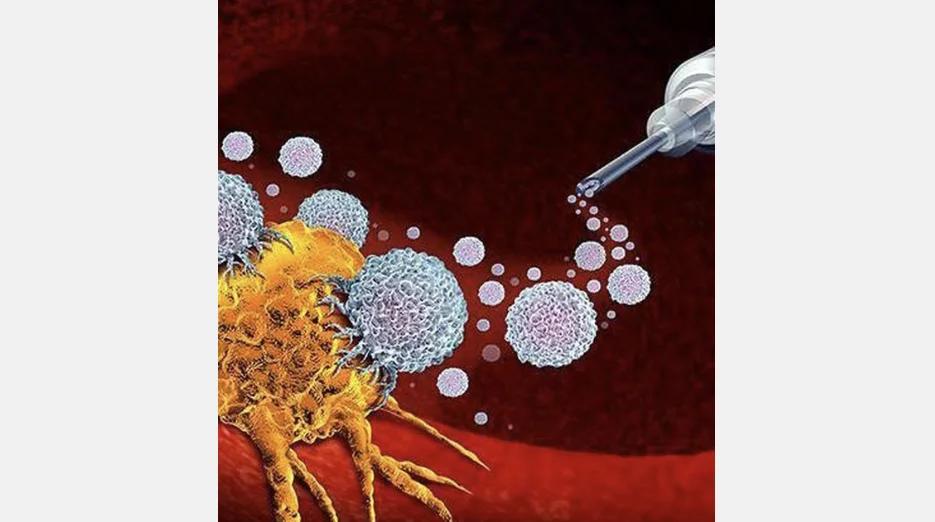
Ervebo is a vaccine used to help protect against Ebola virus disease.
Ebola can spread through direct contact with the blood or bodily fluids of an infected person or animal.
Because of this, identifying people who may have been exposed and vaccinating those at higher risk can play an important role in breaking chains of transmission.
Strengthening the Outbreak Response
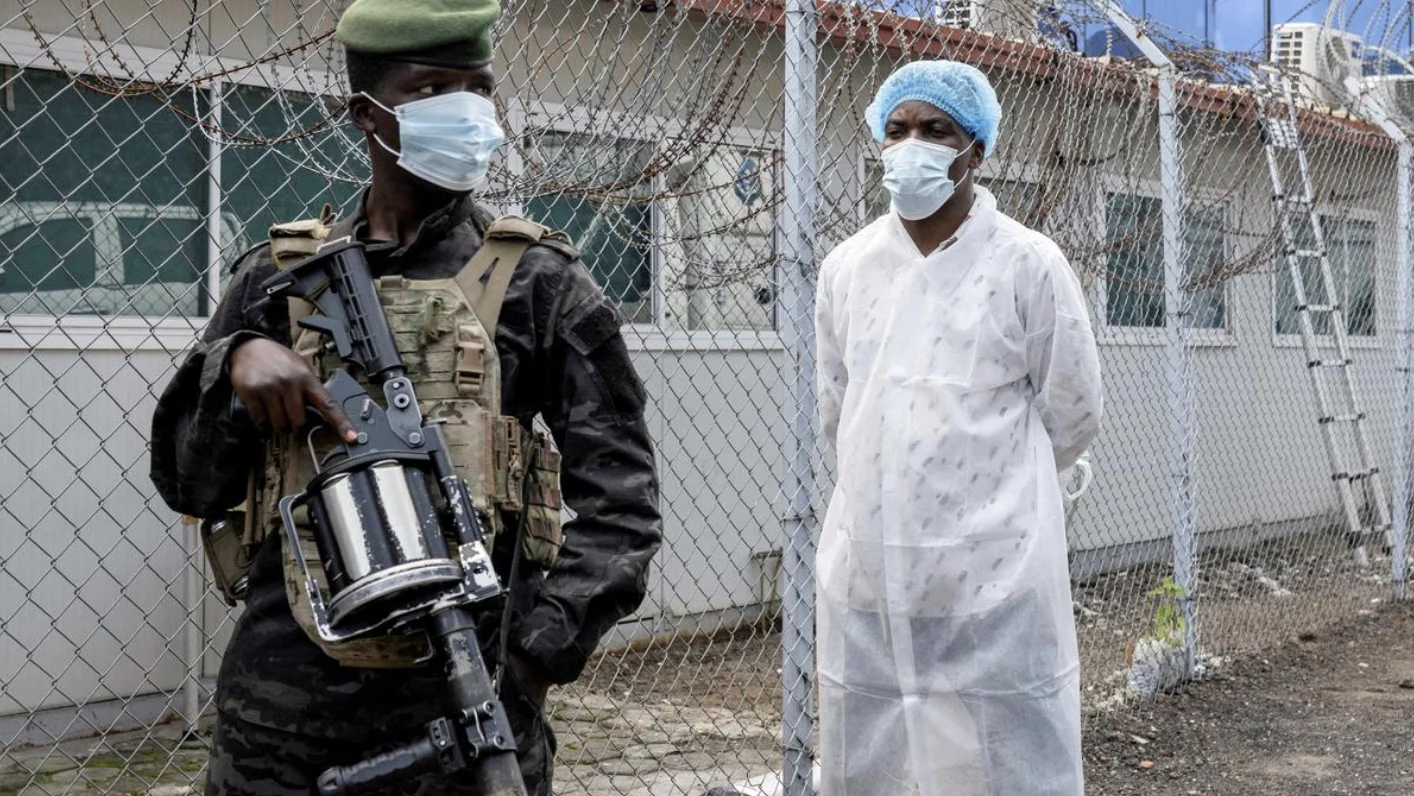
Health authorities are carrying out several measures alongside vaccination.
These include identifying suspected cases, monitoring people who may have been exposed, tracing contacts of confirmed cases and providing medical care.
A coordinated public-health response is essential for limiting the spread of Ebola.
Importance of Vaccination
Vaccination has become an important tool in Ebola outbreak control.
People at higher risk, including healthcare workers and individuals who have had contact with infected patients, may be prioritised for vaccination depending on the public-health response strategy.
However, vaccination is only one component of outbreak control.
Contact Tracing
Contact tracing is particularly important when responding to Ebola.
Once a case is identified, health teams work to determine who may have had close contact with the infected person.
Monitoring those contacts can help identify new infections quickly and prevent further transmission.
Isolation and Medical Care
Suspected and confirmed Ebola patients need appropriate medical care and infection-control measures.
Separating infected patients from others can reduce the risk of transmission through direct contact.
Early identification and appropriate clinical management are important components of the response.
Protecting Healthcare Workers
Healthcare workers face significant risks during Ebola outbreaks because they may come into close contact with infected patients.
Personal protective equipment, infection-prevention procedures and appropriate training are therefore essential.
Vaccination of healthcare workers can also form part of the broader protection strategy.
Public Awareness
Community cooperation is crucial for controlling an Ebola outbreak.
People need clear information about symptoms, transmission and when to seek medical assistance.
Accurate public-health communication can also help prevent misinformation and encourage communities to cooperate with surveillance and vaccination programmes.
DRC Has Previous Ebola Experience
The Democratic Republic of the Congo has experienced multiple Ebola outbreaks in the past.
This has given its health system experience in areas such as disease surveillance, laboratory testing, vaccination and case management.
However, every outbreak presents its own challenges depending on the location, available resources and speed of transmission.
International Cooperation
Containing Ebola outbreaks often requires cooperation between national health authorities, international organisations, medical teams and vaccine suppliers.
Rapid access to vaccines, medical equipment, trained personnel and laboratory capacity can make a significant difference in controlling transmission.
Goal Is to Stop Transmission Quickly
Containing an outbreak at an early stage can help prevent it from developing into a larger public-health emergency.
Vaccination therefore needs to be combined with rapid case detection, contact tracing, isolation, treatment and infection-prevention measures.
Conclusion
The arrival of more than 16,000 doses of Ervebo in the Democratic Republic of the Congo provides additional support for the country's response to the Ebola outbreak.
Vaccinating people at higher risk, combined with effective case detection, contact tracing, isolation, treatment and protection of healthcare workers, will be essential to limiting further transmission.
The immediate priority is to contain the outbreak quickly and prevent the virus from spreading to additional communities.