



Ayurveda has never treated sleep lightly. Acharya Charaka placed Nidra alongside diet and Brahmacharya as one of the three Upastambhas, the pillars that hold up life itself. Ignore that pillar long enough, and the classical texts don't mince words: Dukha (misery), Karshya (wasting away), Abala (weakness), a mind clouded by Ajnana, and, over time, a slow erosion of Jiva, vitality itself. This isn't a modern worry in old clothing; it's why Ayurveda built such a careful understanding of night-time wellness long before "sleep hygiene" was a phrase.
Herbal teas and Ayurvedic herbs have traditionally been used to promote relaxation and support healthy sleep routines. Ingredients such as chamomile, ashwagandha, brahmi, shankhpushpi, and jatamansi may help calm the mind and complement good sleep hygiene as part of a wider wellness routine, best paired with the basics: a fixed sleep schedule, less caffeine, and less screen time before bed.
TL;DR – Herbal Teas, Sleep & Ayurvedic Night Routine
- Sleep Is a Core Ayurvedic Pillar: Ayurveda treats Nidra as one of the three Upastambhas of life, essential for strength, clarity, vitality, and daily repair.
- Herbal Teas Support Wind-Down: Chamomile, lavender, lemon balm, tulsi, rose, fennel, and peppermint teas may help create a calming bedtime ritual.
- Ayurvedic Herbs Calm the Mind: Ashwagandha, Brahmi, Shankhpushpi, Jatamansi, Tagara, and nutmeg are traditionally used to support relaxation and healthy sleep routines.
- Dosha Patterns Matter: Vata sleep issues may involve racing thoughts, Pitta may involve overheated restlessness, and Kapha may show as oversleeping or grogginess.
- Routine Matters More Than Quick Fixes: Fixed sleep timing, less caffeine, lighter dinner, no screens before bed, meditation, head massage, and calming herbs work best together.
How Can Herbal Teas and Ayurvedic Herbs Become Part of a Healthy Bedtime Routine?
Why herbal teas are commonly enjoyed before bedtime?
A warm cup before bed signals to the body that the day is winding down, away from screens and noise.
How Ayurvedic herbs fit into an evening wellness ritual?
Herbs like ashwagandha, brahmi, and jatamansi are rarely a standalone fix, they sit within a wider ritual of a light dinner, a dim room, and a mind pulling back from the outside world, much as Charaka described.
What current evidence says about herbal ingredients and relaxation?
The science here is mixed but growing. Chamomile has some clinical support for mild calming effects, though studies tend to be small. Valerian root's sleep research is inconsistent. Ashwagandha has drawn more recent interest, with early studies suggesting it may ease stress and modestly improve sleep quality, though larger trials are still needed.
Which Herbal Teas Are Traditionally Used to Support Relaxation Before Bed?
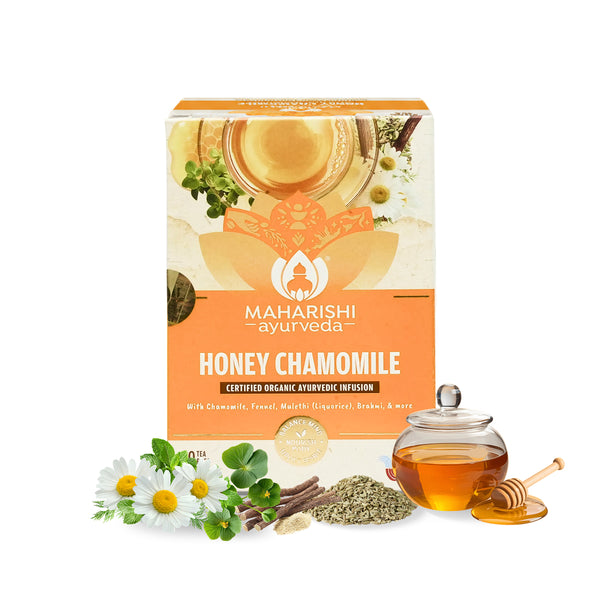
Chamomile tea
Made from the chamomile plant, this is one of the most reached-for bedtime teas thanks to its gentle, sedative-like effect. A review of twelve studies found it safely improved sleep quality, though it didn't meaningfully affect insomnia. In one study of new mothers with poor sleep, symptoms eased within two weeks, though by week four, the gap with the control group had closed.
Honey Chamomile Tea: Restorative Sleep & Relaxation Blend
A caffeine-free infusion of chamomile, Brahmi, fennel & mulethi to calm the mind and support restful sleep
Shop Now
Lavender tea
Research among older adults found lavender tea reduced anxiety and low mood, both known to disrupt sleep. Lavender oil shows similar promise elsewhere, though it's unclear whether that extends fully to the tea.
Lemon balm tea
A lemon-scented herb from the mint family, native to Europe, Central Asia, and Iran, traditionally used to lift mood, ease anxiety, and support digestion, with some association with easing insomnia too.
Tulsi tea
Tulsi is considered an adaptogen, something that helps the body manage stress, which is why it's often the tea of choice for a mind that won't stop chattering.
Tulsi Green Tea Premium: Organic Ayurvedic Blend
Three sacred Tulsi varieties united with antioxidant-rich green tea to detox, calm the mind & support immunity
Shop Now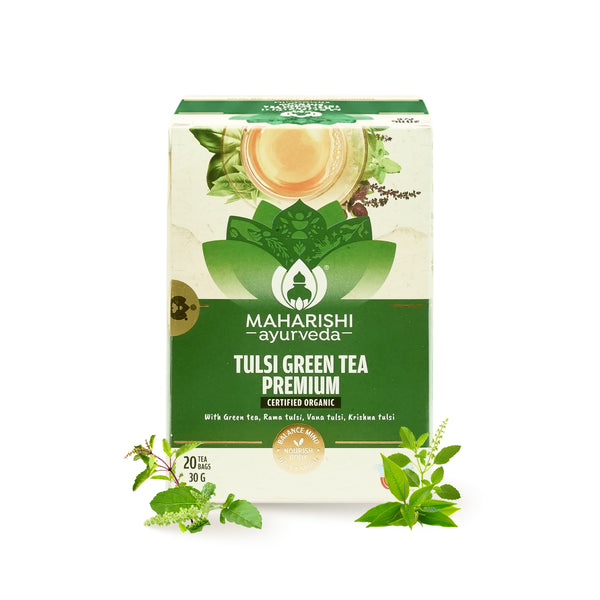
Rose tea
Naturally caffeine-free, gently aromatic, and calming, rose tea won't keep you up the way regular tea can. Blend it with chamomile or lavender for a stronger cup.
Peppermint and fennel tea
Neither has a direct link to sleep, but both aid digestion, and a settled stomach often makes for a settled night.
|
Tea |
Traditional Use |
Naturally Caffeine-Free |
Best Time |
|
Chamomile |
Calming, mild sedative |
Yes |
30–60 min before bed |
|
Lavender |
Eases anxiety, low mood |
Yes |
Evening wind-down |
|
Lemon balm |
Lifts mood, eases anxiety |
Yes |
Evening wind-down |
|
Tulsi |
Calms an overactive mind |
Yes |
Evening |
|
Rose |
Calming aroma, stress relief |
Yes |
Before bedtime |
|
Peppermint |
Digestive comfort |
Yes |
After dinner |
|
Fennel |
Digestive comfort |
Yes |
After dinner |
Which Ayurvedic Herbs Are Traditionally Used for Healthy Sleep?
Ashwagandha
An adaptogen, root dried and powdered, taken with warm milk in the evening. Bitter and earthy, and traditionally linked to a calmer, grounded rest.
Organic Ashwagandha Tablets: Strength & Stress Relief
100% pure organic root powder to reduce stress, boost vitality, and enhance memory & concentration
Shop Now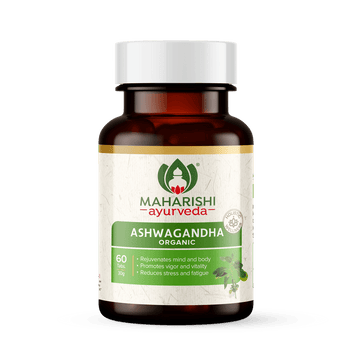
Brahmi
Valued for mental clarity and calm, easing an overactive mind before sleep. Taken as powder, tablets, or tea, ideally with milk.
Brahmi Tablets: For Memory & Stress Relief
Natural Brahmi to sharpen memory and learning, boost mental alertness, and help manage everyday anxiety
Shop Now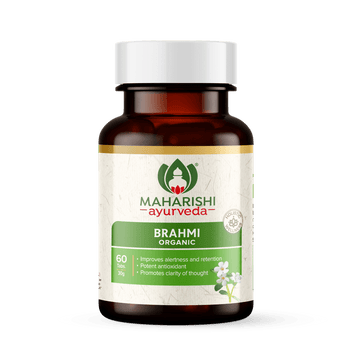
Shankhpushpi
Better known as a Medhya Rasayana for memory, but combined with other herbs, it also quietens mental chatter before sleep. Usually a syrup, powder, or tonic.
Jatamansi
A root with a musky, earthy aroma, traditionally used to calm the nervous system. Less common at home, more common in formulations and oils - best taken under a practitioner's guidance.
Tagara
Kknown for its calming effect, usually a powder or tablet, with a strong, earthy aroma. It is recommended to be consumed under Ayurvedic physician’s supervision.
Nutmeg
Not a formal Ayurvedic herb, but a folk staple, a pinch stirred into warm milk before bed for a warming finish to the evening.
|
Herb |
Common Form |
Traditional Use |
|
Ashwagandha |
Powder |
Calms the mind, grounds Vata |
|
Brahmi |
Powder, capsule, tea |
Mental clarity and calm |
|
Shankhpushpi |
Syrup, powder |
Quiets mental chatter |
|
Jatamansi |
Powder, oil |
Calms the nervous system |
|
Tagara |
Powder, tablet |
Relaxes mind and body |
|
Nutmeg |
Pinch in warm milk |
Warming bedtime comfort |
Nidra is one of the three Upastambhas of life, alongside diet and discipline. It's when the body repairs itself and restores its capacity for the day ahead - so central to wellbeing that it's called Bhutadhatri, caring for a person's Prana the way a mother cares for her child. Charaka described it as a state where the mind detaches from the senses, worn down by the tiredness of body and mind. Good sleep brings Sukha, Pushti, Bala, and Jnana; poor sleep brings the opposite.
Vata imbalance often sits behind the racing mind and broken sleep so many of us know, typically striking between 2 and 6 am. When Kapha dips and Vata rises, sleep simply doesn't come, Ayurveda calls this Vaikariki, abnormal sleep. The classical remedy is almost tactile: oiling the head, gentle massage, and a warm, sweet, milk-based diet in the evening.
Daily habits worth building in: a fixed wake time, morning sunlight, caffeine kept to the morning, dinner finished 2–3 hours before bed, screens off an hour before bed, a head massage or a few minutes of meditation, and a cool, dark bedroom.
Which Ayurvedic Herbs Are Best for Different Doshas?
Vata sleeplessness looks like a racing mind, waking between 2–6 am - grounding herbs like ashwagandha, nutmeg, jatamansi, and tagara suit it best. Pitta shows up as an overheated, overworked mind around 10 pm–2 am, calling for cooling herbs like brahmi, shankhpushpi, chamomile, and rose. Kapha helps induce sleep but aggravated Kapha is responsible for drowsiness - more often for oversleeping and grogginess, where something lighter, like tulsi or peppermint, helps.
|
Dosha |
Typical Pattern |
Herbs to Reach For |
|
Racing mind, waking 2–6 am |
Ashwagandha, Nutmeg, Jatamansi, Tagara |
|
|
Overheated, waking 10 pm–2 am |
Brahmi, Shankhpushpi, Chamomile, Rose |
|
|
Oversleeping, grogginess |
Tulsi, Peppermint |
Explore : 5 Summer Herbs That Work Wonders for Your Body–>
What Is the Best Time to Drink Herbal Tea or Take Ayurvedic Herbs?
Morning: A ginger-turmeric green tea to shake off sluggishness.
Afternoon: Swap the usual 4 pm coffee for a herbal infusion - it heads off the slump without hurting sleep later.
Evening: Honey with chamomile, or lemongrass tea, to ease mental chatter. Before bed: chamomile, rose, or warm milk with a pinch of nutmeg or ashwagandha, ideally an hour before sleep.
Which Bedtime Habits Can Improve Sleep Naturally?
Have your herbal tea 30–60 minutes before bed, and put the phone away well before that. Keep sleep and wake times consistent, even at weekends - it keeps your circadian rhythm steady. A few minutes of breathing or meditation quietens an anxious mind, and a lighter, earlier dinner makes the transition to sleep easier.
Are Herbal Sleep Teas and Ayurvedic Herbs Suitable for Everyone?
Most healthy adults can enjoy herbal teas like chamomile and lemon balm alongside - not instead of - good sleep habits. If pregnant, breastfeeding, or on medication, check with your healthcare provider before adding anything new, particularly concentrated herbs like ashwagandha or tagara. Jatamansi should only be taken under a practitioner's supervision, and persistent sleep disorders warrant a professional's advice rather than self-prescribing.
Conclusion
Herbal teas and Ayurvedic herbs - chamomile, rose, ashwagandha, brahmi, shankhpushpi, jatamansi, tagara, have earned their place in the evening rituals Ayurveda built around Nidra as one of life's essential pillars. Used well, alongside genuine sleep hygiene, they're a meaningful support rather than a quick fix. Look for authentic, well-prepared formulations, Maharishi Ayurveda's herbal infusion range and classical preparations like Ashwagandha and Brahmi Vati are good places to start. And as always, speak to a qualified healthcare professional before starting anything new, especially if pregnant, nursing, on medication, or managing a health condition.