



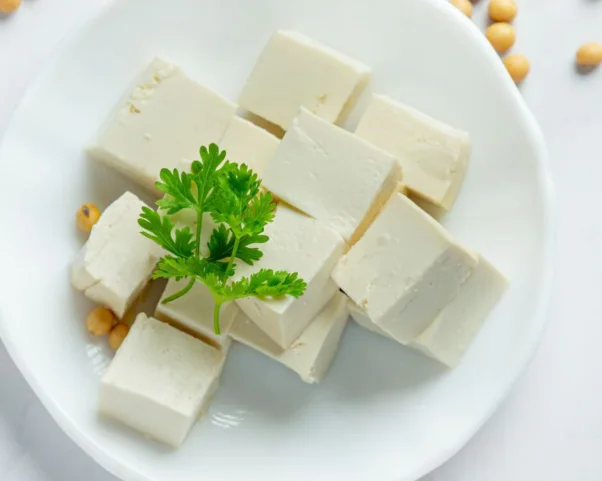
Several Indian states have intensified inspections and restrictions on the sale of analogue paneer, raising concerns about food quality and consumer safety.
Unlike traditional paneer, which is made entirely from fresh milk, analogue paneer is manufactured using vegetable fats or oils, milk solids, emulsifiers, and other food additives. While it is legally permitted when properly labeled, problems arise when it is sold as regular paneer without informing consumers.
Food safety officials say many restaurants and food vendors use analogue paneer because it is significantly cheaper than genuine paneer. However, selling it as real paneer without proper labeling violates food safety regulations and can mislead customers.
Health experts explain that approved analogue paneer is not inherently unsafe if produced according to food safety standards. However, products made with poor-quality ingredients, excessive additives, or unhygienic manufacturing practices may increase health risks. Frequent consumption of foods high in processed fats and additives may contribute to obesity, heart disease, and other lifestyle-related health conditions.
Experts advise consumers to purchase paneer only from trusted brands or licensed vendors, carefully check product labels, and remain cautious if paneer is being sold at unusually low prices.
Authorities have stated that enforcement drives will continue to ensure compliance with food safety regulations and to prevent the sale of mislabeled dairy products.