Ganesh Chaturthi brings with it a familiar kitchen rhythm: coconut being grated, cardamom being crushed, ghee warming in a pan and modaks taking shape one by one. Prasad is more than a festive sweet. It is food prepared with attention, shared with family and enjoyed as part of a meaningful celebration.
And that is exactly why what goes into it matters.There is no need for you to complicate a traditional recipe for dip with ghee into a 'diet' version if you are looking for simple Prasad recipes with ghee for Ganesh Chaturthi. There is no reason why a more conscious modak couldn't be just as jubilant.
The easier way to do is simple: choose good-quality ingredients, keep the recipe uncomplicated and use sweetness thoughtfully.
Three essential items in the pantry can do the bulk of the work this Ganesh Chaturthi: Pure Organic Ghee for richness, Organic Jaggery Powder for deep caramel like sweetness and Organic Honey for no-cook or cooled festive preparations.
They combine to provide a convenient method of bringing an Ayurvedic approach to contemporary festive dishes without compromising any flavors people enjoy.
TL;DR – Ganesh Chaturthi Prasad Recipes with Ghee, Jaggery & Honey
- Festive Cooking Starts With Ingredients: Ayurveda focuses on food quality, digestion, season, quantity, and preparation rather than turning traditional sweets into strict diet recipes.
- Ghee Adds Richness and Aroma: Pure Organic Cow Ghee can be used in modak filling, dough, mould greasing, festive sweets, laddoos, halwa, and everyday cooking.
- Jaggery Works Best for Cooked Sweets: Organic Jaggery Powder gives coconut modaks a deeper caramel-like sweetness and melts easily into warm festive fillings.
- Honey Is for Finishing, Not Heating: Ayurveda does not recommend strong heating of honey, so use it only in cooled, room-temperature, or no-cook festive preparations.
- Keep Prasad Simple and Mindful: Jaggery-coconut modaks, honey fruit bowls, and ghee-jaggery makhana can make festive cooking traditional, practical, and conscious without overcomplicating recipes.
Why Ayurveda Starts with the Quality of What You Eat
In Ayurveda, food is not simply considered as nutrients or calories. Also it takes into account the taste of the food, its qualities, its preparation, the season, the quantity and the ease of digestion of the food for an individual.
Sweet taste (Madhura Rasa) is a significant part of Ayurvedic cuisine. However, ‘sweet' doesn't always have to be too refined or too processed.
Though the ingredients have there been for a long time in Indian food tradition, the use of grains, milk, dates, jaggery, honey and ghee have found their own places.
And there is a useful lesson here for the modern festive kitchen:
Don't take the fun out of the recipe – think more about the ingredients!
A modak made using coconut, jaggery and a controlled quantity of ghee can still taste so good and so rich, without an extensive ingredient list and without the use of unfamiliar ingredients.
For festive sweets, the key rule of portion control remains the same: keep an eye on how much, as it is an energy-dense food. A ‘healthy modak' is not an 'anything goes'. Rather, consider it as making more informed choices about ingredients in the food, while enjoying it in a more conscious way.
3 Festive Ingredients Worth Choosing Carefully
1. Pure Organic Cow Ghee: The Ingredient That Makes a Modak Feel Complete
The fragrance of ghee that is heated in a festive kitchen is unmistakable.
Ghee holds a special place in the Ayurvedic food culture and is one of the most versatile ingredients for Indian cooking today. Even a little bit of it can add flavor, texture and fragrance to the filling of any modak recipe.
That is the reason why the quality and purity of ghee is important. During festive seasons, ghee becomes more than just a cooking oil in festive dishes. The flavour of this is a component of the final dish.
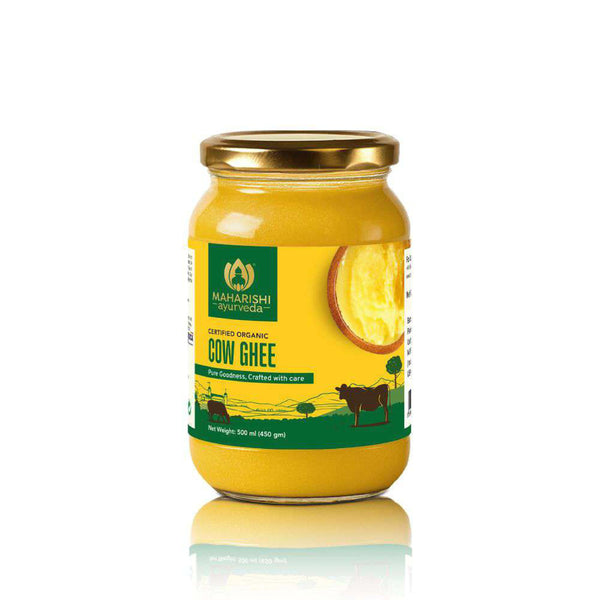
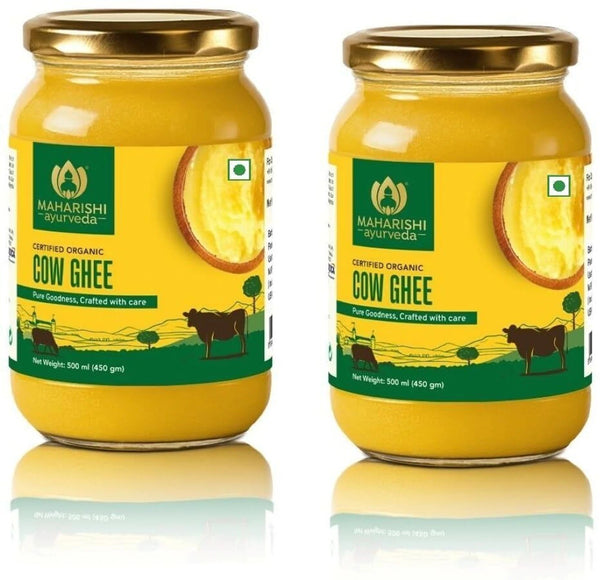
Maharishi Ayurveda Pure Organic Cow Ghee melts seamlessly into any cooking style, whether it's traditional or a simple meal, such as modaks, halwa, laddoos or every day cooking.
The key is to use it thoughtfully rather than excessively.
Apply some to roast the filling of your modak; a pinch to help the modak flour coat the mould, or a small warm dribbling at serving.
One ingredient. Several festive possibilities.
Read Out More On : Organic Cow Ghee: Benefits, Uses, Nutrition & Ayurvedic Wisdom–>
Organic Ghee: Traditional Ayurvedic Support for Daily Nourishment
A pure, golden ghee traditionally valued in Ayurveda to support digestion, vitality, and everyday wellness routines
Buy Now
2. Organic Jaggery Powder: Sweetness with More Character
You will also understand when you have tried a coconut-jaggery modak side by side with that made with the regular refined sugar, that it is not just about the sweetness.
The jaggery will provide a more complex, earthy taste with naturally caramel undertones and pair well with coconut, sesame, cardamom and ghee.
Also, the preparation of festive items is much easier with powdered jaggery. No hard block of jaggery to grind, grate or wrestle. It is easy to measure and easily melts into the warm coconut mixture.
Organic Jaggery Powder is an organic product made from sugarcane which is a convenient choice to replace refined sugar in various traditional recipes.
Jaggery is a sweetener and is to be consumed with caution. However, if your recipe requires something sweet, it can be added to your recipe with that sweetness and flavour that makes it especially well suited to homemade festive treats.
Read Out More On : Organic Jaggery Powder: Benefits, Uses, Nutrition and More–>
Jaggery Powder: Traditional Sweetness for Daily Wellness
A natural sweetener crafted to add rich, earthy flavour to your daily food, drinks, and wellness routines
Buy Now
3. Organic Honey: Save It for the Finishing Touch
Honey should be given a special place in the festive store but is not quite the same as jaggery.
In ayurvedic medicine, the strong heating of honey or cooking it is not recommended. So it is good to use jaggery for hot modak filling and honey in cooled or no-cook modak.
For instance, Maharishi Ayurveda Organic Honey can be a little drizzled over room temperature fruits, with nuts or added to a festive dish after it has cooled down.
This is an additional naturally sweet recipe addition to your festive kitchen without forcing any recipes to include honey when they could more easily handle jaggery.
Think of it as a finishing ingredient rather than a cooking ingredient.
Read Out More On : Honey for Skin: Benefits, DIY Masks & Ayurvedic Guide –>
Organic Honey: Natural Sweetness for Daily Wellness
A pure, naturally sweet honey traditionally valued to support everyday nourishment, balance, and wellness routines
Buy Now
The Only Healthy Modak Prasad Recipe You Need This Ganesh Chaturthi
Jaggery-Coconut Modak with Pure Organic Ghee
Traditional enough to satisfy the family. Simple enough to make at home. And made with ingredients you will happily reach for long after the festivities are over.
Makes: 10–12 modaks
Preparation time: 15 minutes
Cooking time: 20–25 minutes
Ingredients
For the Outer Covering
- 1 cup rice flour
- 1¼ cups water
- 1 teaspoon Maharishi Ayurveda Pure Organic Cow Ghee
- A small pinch of salt
For the Filling
- 1 cup freshly grated coconut
- ½–¾ cup Maharishi Ayurveda Organic Jaggery Powder, according to taste
- 1 teaspoon Maharishi Ayurveda Pure Organic Cow Ghee
- ½ teaspoon cardamom powder
- 1 tablespoon finely chopped cashews or almonds, optional
- 1 teaspoon sesame seeds, optional
How to Make Jaggery-Coconut Modaks
Step 1: Make the Coconut-Jaggery Filling
- Warm one teaspoon of ghee in a heavy pan.
- Add the freshly grated coconut and stir gently for one to two minutes.
- Now add the jaggery powder and cook over a low heat. As the jaggery melts, it will begin to combine with the coconut, creating a glossy, aromatic mixture.
- Keep stirring until the filling thickens enough to hold its shape.
- Add the cardamom and, if using them, your chopped nuts or sesame seeds.
Avoid overcooking the mixture. Remember that the filling will become firmer as it cools.
Transfer it to a plate and allow it to cool completely.
Step 2: Prepare the Rice-Flour Dough
- Bring the water to a gentle boil with a pinch of salt and one teaspoon of ghee.
- Lower the heat and add the rice flour, mixing quickly until no dry flour remains.
- Cover the pan for about two minutes, then switch off the heat.
- When the dough is cool enough to handle but still warm, knead it until smooth.
- If it feels slightly dry while kneading, simply wet your fingers with a little warm water.
Step 3: Shape Your Modaks
Very lightly grease your hands or modak mould with ghee.
Take a small portion of dough and carefully shape it into a cup. Add one to two teaspoons of the cooled coconut-jaggery filling and seal the top.
Using a mould?
Press the dough around the sides of the mould, spoon the filling into the centre, seal the base with a small piece of dough and gently release your modak.
Step 4: Steam
- Place the prepared modaks on a lightly greased steamer plate.
- Steam for approximately 10–12 minutes, or until the outer rice layer develops a slightly glossy appearance.
- Allow the modaks to rest for a few minutes before serving.
- And there you have it: soft rice-flour modaks filled with coconut and jaggery, with just enough ghee to bring the whole recipe together.
What Makes This a More of a Real Modak Recipe?
The answer is not an exotic superfood or a long list of substitutions.
It is simplicity.
This recipe keeps the festive character of traditional modak while avoiding unnecessary additions.
Coconut provides texture and Jaggery delivers sweetness with its distinctive deeper flavour. Ghee provides the richness associated with classic Indian festive cooking.
Instead of trying to turn modak into ‘diet food’, the recipe simply asks every ingredient to earn its place.
And sometimes, that is a far more sensible approach to festive eating.
Got Honey? Try This Quick Festive Idea Too
Honey, Fruit & Nut Bowl
Not every festive sweet needs twenty minutes at the stove.
Add chopped banana, apple and pomegranate to a bowl along with a few soaked almonds.
Once everything is at room temperature, add a light drizzle of Maharishi Ayurveda Organic Honey and finish with a pinch of cardamom.
It is quick, colourful and particularly useful when you want another sweet option on the festive table without preparing an additional cooked dessert.
Important: Add the honey only once the ingredients are cool or at room temperature.
Another 5-Minute Favourite: Ghee-Jaggery Makhana
- Warm a small quantity of Maharishi Ayurveda Pure Organic Cow Ghee in a pan.
- Add makhana and roast until crisp.
- Lower the heat and add a small quantity of Maharishi Ayurveda Organic Jaggery Powder, stirring briefly until it coats the makhana.
- Switch off the heat and allow everything to cool.
You now have a crunchy, lightly sweet festive snack that can be served in small portions alongside your other preparations.
Three ingredients, multiple recipes. That is exactly what a useful festive pantry should do.
Your Simple Ganesh Chaturthi Shopping Checklist
The easiest way to make festive cooking less stressful?
Get the ingredients you will actually use before the cooking begins.
Keep these three versatile ingredients ready:
- Maharishi Ayurveda Pure Organic Cow Ghee for modaks, roasting, cooking and finishing
- Maharishi Ayurveda Organic Jaggery Powder for modaks, laddoos, sweets and homemade desserts
- Maharishi Ayurveda Organic Honey for cooled or no-cook preparations
And their usefulness does not end once Ganesh Chaturthi is over.
Ghee can return to everyday meals. Jaggery powder can find its way into homemade sweets and beverages. Honey can continue to be used in room-temperature or lukewarm preparations.
That makes them more than ingredients bought for a single recipe. They become everyday kitchen staples with a place in your festive cooking too.
Make Your Festive Ingredients as Thoughtful as Your Recipe
The best Ganesh Chaturthi recipes are rarely the most complicated.
They are the ones that taste familiar, are easy enough to prepare at home and begin with ingredients you feel good about serving to your family.
So this year, let your modak stay traditional where it matters and become more mindful where it counts.
Choose pure ghee for richness, jaggery for deeper sweetness and honey for simple finishing touches.
With Maharishi Ayurveda Pure Organic Cow Ghee, Organic Jaggery Powder and Organic Honey in your festive pantry, you have three versatile ingredients that can move effortlessly from Ganesh Chaturthi preparations into everyday cooking.
Ready for Your Ganesh Chaturthi Preparations?
Bring home Maharishi Ayurveda’s festive kitchen essentials and make every recipe with ingredients chosen for purity, taste and tradition.