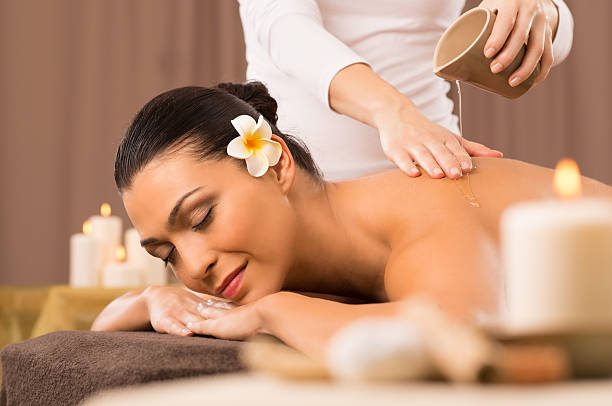
Oil massage has been part of traditional Indian wellness practices for centuries. In Ayurveda, the practice of full-body oil massage is known as Abhyanga and is traditionally incorporated into daily routines. Ayurvedic texts describe it as a practice intended to nourish the body, support skin health and maintain physical strength.
According to Maharishi Ayurveda, regular Abhyanga is traditionally associated with several wellness benefits, including maintaining supple skin, supporting flexibility, reducing feelings of fatigue and promoting better sleep. Ayurveda also recommends adapting the type of oil and massage technique according to factors such as body constitution, age, season and individual health condition.
Head and foot massage
Ayurvedic traditions also distinguish between different forms of oil massage. Shiroabhyanga, or head massage, is traditionally associated with relaxation and a sense of well-being. The practice is also described as beneficial for the scalp and hair in Ayurvedic literature.
Padabhyanga, or foot massage, focuses on the feet and is traditionally used to ease dryness, stiffness and fatigue. Ayurvedic practice recommends different levels of pressure depending on the body area and individual requirements.
Choosing an oil
The type of oil is an important part of traditional Abhyanga. Sesame oil is commonly associated with Vata-oriented routines, while coconut oil is traditionally considered more suitable for cooling routines and is particularly associated with Pitta constitutions. For Kapha-oriented routines, Ayurveda discusses warming oils such as sesame and mustard oil.
Several medicated oils are also traditionally used for specific purposes. Dhanwantaram oil is associated with musculoskeletal and neuromuscular care, while Bala Ashwagandhadi oil is traditionally used for muscles, bones and joints. Ksheer Bala oil is another Ayurvedic formulation traditionally associated with Vata and Pitta-related conditions. These traditional uses should not be treated as substitutes for medical diagnosis or treatment.
When to massage
The source recommends performing Abhyanga around one to two hours after eating, preferably after physical activity such as yoga or exercise. It also recommends allowing some time between the massage and bathing so that the oil remains on the skin for a period afterward. Seasonal adjustments are traditionally suggested, with room-temperature or cooling oils during warmer weather and mildly warmed oils during colder months.
Although Ayurvedic massage can be a relaxing self-care practice, people with medical conditions, allergies or sensitive skin should be cautious about the oils they use. The source specifically advises seeking medical guidance before using Ayurvedic massage oils during pregnancy or in certain heart conditions.