Health
712 articles

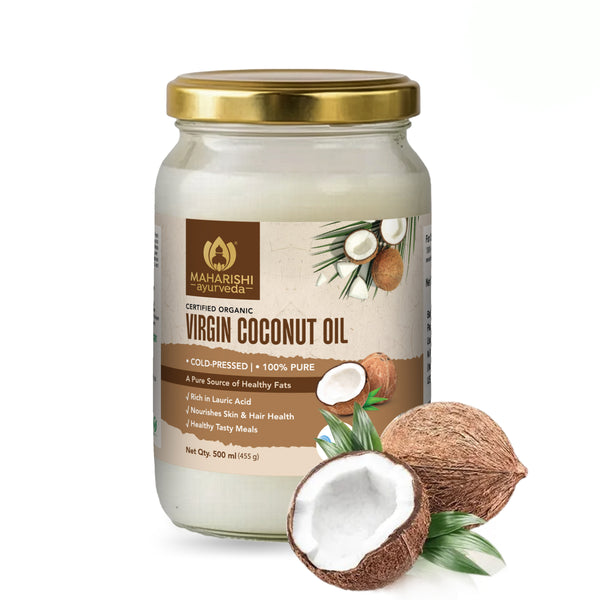
Can Virgin Coconut Oil Be Used for Cooking?
Yes, virgin coconut oil can be used for cooking, especially for low to medium-heat methods such as sautéing, light pan cooking, baking, roasting and traditional Indian recipes. Since it is minimally processed, it retains its natural coconut aroma and plant compounds. Use it in moderation as part of a balanced diet. TL;DR – Can Virgin Coconut Oil Be Used for Cooking? Virgin Coconut Oil Can Be Used for Cooking: It is suitable for low to medium-heat methods like sautéing, baking, roasting, light pan cooking, and selected Indian recipes. It Has a Natural Coconut Flavour: Virgin coconut oil works best in dishes where coconut aroma fits, such as South Indian food, coastal recipes, curries, chutneys, rice dishes, and baking. Ayurveda Sees It as Cooling: Coconut oil is considered Sheeta, Snigdha, and nourishing, making it more suitable for Pitta balance, hot weather, and cooling meals. Use It in Moderation: It is calorie-dense and high in saturated fat, so small quan
What Is Castor Oil Used for in Ayurveda? Benefits, Uses & Safety
Introduction Castor oil, known as Eranda Taila or Arandi Oil in Ayurveda, is an oil traditionally derived from the seeds of the Ricinus communis plant. Ayurveda describes it in terms of qualities such as warmth, nourishment and penetrating action. It has traditionally been used in internal and external practices, including digestive support, cleansing approaches, massage and skin and hair care.The oil is extracted from the seeds of the Ricinus communis plant, and its active ingredient is ricinoleic acid, which makes it anti-inflammatory and laxative in nature. Castor Oil in Ayurveda at a Glance Feature Details Ayurvedic Name Eranda Taila Common Name Castor Oil / Arandi Oil Botanical Source Ricinus communis Traditional Ayurvedic Association Vata-balancing Common Traditional Uses Digestive support, cleansing, massage External Uses Skin, scalp and hair care Commonly Discussed Component Ricinoleic acid Ayurvedic Properties Warm, n
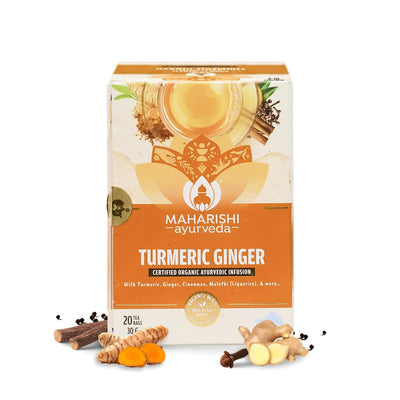
Which Ayurvedic Herbal Tea Is Best for Digestion and Bloating?
An Ayurvedic herbal tea is an infusion of herbs and spices traditionally selected according to digestion, symptoms and dosha balance. Ginger, fennel, cumin and coriander are commonly used in Ayurveda for digestive comfort. The best tea for digestion depends on whether you experience bloating, heaviness, acidity or irregular digestion and when you drink it. TL;DR – What Should You Know About Ayurvedic Herbal Tea? Herbal Tea Is Different From Green or Black Tea: Ayurvedic herbal teas are usually made from herbs, roots, seeds, flowers, or spices, not Camellia sinensis. Digestive Teas Use Traditional Herbs: A herbal tea for bloating may include ginger, fennel, cumin, or coriander to support digestive comfort. Green Tea Contains Caffeine: Green tea is not the same as herbal tea because it comes from Camellia sinensis and naturally contains caffeine. Tea Timing Matters: Tea after meals may suit some people, but tannin-rich teas should be kept away from iron-rich meals or iron suppleme

160 district hospitals to get emergency trauma care boost by March 2027
Union Health Minister J P Nadda reviewed the progress of the projects on Thursday and directed officials to ensure time-bound implementation, regular monitoring and coordination between ministries, states and institutions.

Yatharth Hospitals draws interest from Aster, Advent as healthcare consolidation heats up
Aster DM Quality Care is negotiating to acquire a controlling stake in Yatharth Hospitals. This potential acquisition aims to consolidate the hospital sector amid private equity interest. Yatharth Hospitals' stock has seen a significant rise in anticipation of a potential trade. The deal would trigger an open offer for additional shares, expanding the acquirer's ownership. This move would significantly strengthen Aster DM Quality Care's presence in northern India.

Healthcare emerges as second-largest sector for private credit deployment in H1 2026: Report
Healthcare emerge as a top destination for private credit underscores its growing attractiveness to investors seeking resilient businesses with stable cash flows and scalable growth, EY said
How to Stop Hair Fall in Women: Causes, Early Signs & Ayurveda Tip
Hair fall in women can happen for many reasons, including stress, hormonal changes, nutritional deficiencies, illness, genetics and damaging hair-care practices. While there is no proven way to stop hair fall immediately at home, identifying the cause early can help reduce avoidable shedding and protect existing hair. Ayurveda complements this approach by focusing on scalp care, digestion, nutrition, stress, sleep and individual dosha balance. TL;DR – What Should You Know About Hair Fall in Women? Some Daily Hair Fall Is Normal: Losing around 50–100 hairs a day can be normal, but excessive shedding or visible thinning needs closer attention. Shedding and Thinning Are Different: Sudden hair shedding and gradual thinning may have different causes and should not be treated as the same issue. Many Factors Can Trigger Hair Fall: Common reasons include hereditary female-pattern hair loss, stress, illness, iron deficiency, hormonal changes, and tight hairstyles. Early Signs Should Be N

HC Seeks Clarity on Action Against Illegal Pathology Labs
A division bench comprising Justices Anil Kilor and Rajnish Vyas directed state govt to file a detailed affidavit within a week explaining the rules and procedure for identifying laboratories operating in violation of prescribed norms and the action that can be taken against them.
What Are the Best 5 Ayurvedic Remedies for Fatigue and Stamina?
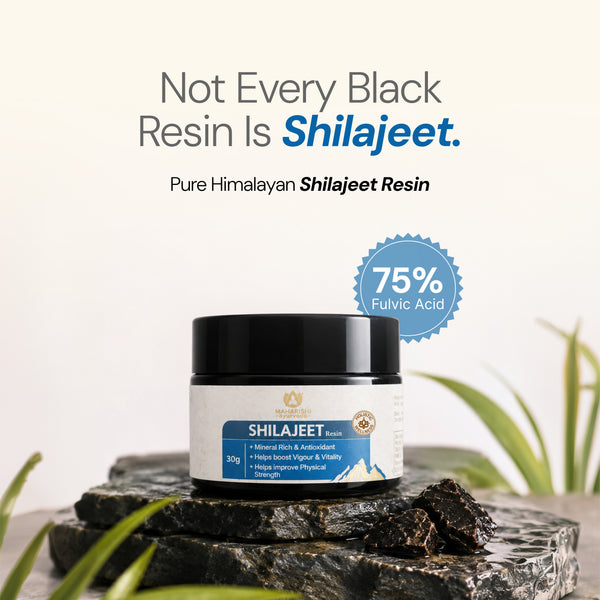
Ayurvedic remedies for fatigue and stamina traditionally include herbs and formulations valued for supporting vitality, strength and overall wellbeing. Shilajit, Ashwagandha, Tulsi and other ingredients have different traditional uses in Ayurveda. Their role can also depend on individual needs, lifestyle and constitution. This guide explores these traditional approaches alongside practical lifestyle habits that may complement a balanced daily routine. Ayurvedic Remedies for Fatigue and Stamina at a Glance Remedy Traditional Ayurvedic Use Best Known For Shilajit Rasayana and vitality support Strength and stamina Ashwagandha Rasayana and Vata-balancing traditions Stress-related wellbeing and vitality Vigoroyal-M Ayurvedic formulation for men Strength and stamina Holy Basil Traditional wellness and stress support Mental balance and vitality Ginseng Traditionally used for vitality Energy and endurance Lifestyle practices Supportin
Can Maharishi Ayurveda Amrit Kalash Be Taken Every Day?
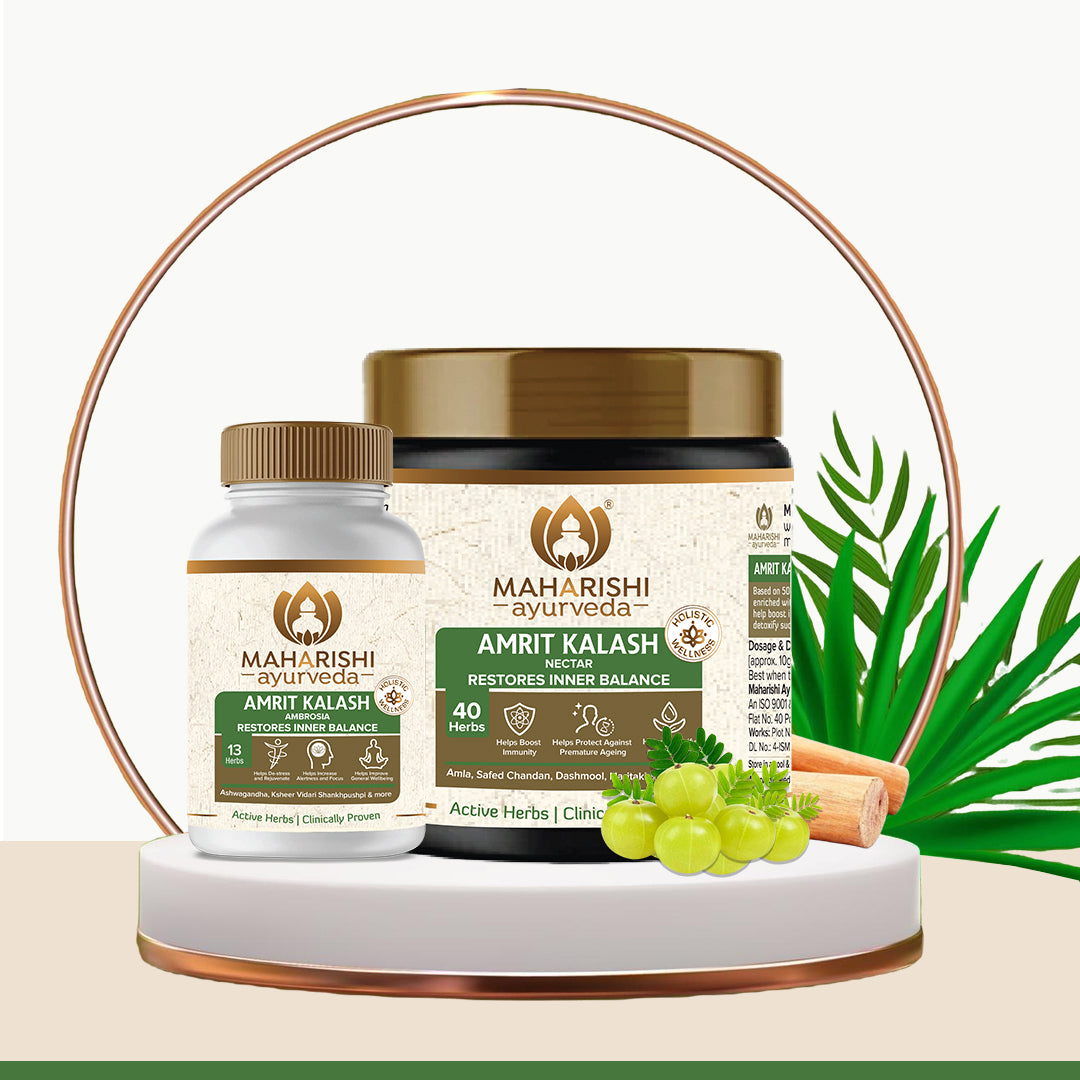
Yes, Maharishi Ayurveda Amrit Kalash can be taken every day when used as directed and according to individual needs. In Ayurveda, it is traditionally used as a Rasayana for daily wellness, vitality and nourishment. Long-term use should follow product guidance or advice from a qualified Ayurvedic practitioner. TL;DR – Can Maharishi Ayurveda Amrit Kalash Be Taken Every Day? Can Be Taken Daily When Suitable: Maharishi Ayurveda Amrit Kalash can be taken every day when used as directed and according to individual needs. It Is a Rasayana Formulation: In Ayurveda, Amrit Kalash is traditionally used to support Ojas, vitality, nourishment, healthy ageing, resilience, and daily wellness. Works Best With Lifestyle Support: It should be part of a balanced routine with good digestion, proper sleep, suitable meals, hydration, movement, and stress management. Variants Suit Different Needs: Options include Dual Pack, Nectar Paste, Ambrosia Tablets, Sugar Free Dual Pack, and Nectar Tablets Sugar

Delhi logs 138 fresh H1N1 cases, tally reaches 2,446; hospitals told to strengthen preparedness
Health Minister Pankaj Kumar Singh held a virtual review meeting with medical directors and medical superintendents of Delhi government hospitals to assess preparedness for H1N1, seasonal influenza and other respiratory illnesses.

As obesity rises, Supreme Court puts govt on notice over junk food labels
The order, in response to a PIL filed by NGO ‘3S and Our HEALTH Society’ which moved SC through advocate Rajiv Shankar Dvivedi, comes as govt has seemed reluctant to implement front-of-pack warning labels on junk food. SC said food with high salt, sugar, saturated fat and calories could lead to health risks and clearer nutrition information must be displayed to help to make healthier choices.

H1N1 Accounts for 98% of Influenza A Cases in India: ICMR Chief
H1N1 accounts for 98% of Influenza A cases detected in India, according to the ICMR chief. Officials have said there is no evidence of a new or more dangerous H1N1 variant currently circulating in the country, while surveillance continues to monitor changes in the virus.


After diabetes diagnosis, women likely to develop mental condition, men cardiovascular ones: Study
Researchers, including those from Queen Mary University in the UK, said that women and men experience cardiovascular disease, renal disease and mental health conditions differently, but research has not yet described the disease trajectories according to sex and age in people with type 2 diabetes.

India’s Front-of-Pack Warning Plan Faces Pushback From Big Food Companies
India’s proposed colour-coded front-of-pack nutrition warnings have faced resistance from major food companies. FSSAI has instead proposed a simpler black-and-white nutrition table, while health activists are challenging the approach and seeking stronger consumer protections. The Supreme Court is examining the issue.

Bournvita Maker Acts After Notice as FSSAI Steps Up Crackdown on Misleading Claims
The manufacturer of Bournvita has taken action following regulatory scrutiny as the Food Safety and Standards Authority of India (FSSAI) steps up its crackdown on misleading health and nutrition claims. Bournvita has previously faced questions over its sugar content, health-related marketing and advertisements aimed at children. FSSAI has also been monitoring claims made by food businesses across social media, e-commerce platforms and other advertising channels.
What Are the Benefits of Shilajit for Women? Uses & Safety
Shilajit is a mineral-rich, naturally occurring substance traditionally used in Ayurveda as a Rasayana. It is found in mountainous regions and contains organic compounds, minerals and fulvic substances. In Ayurvedic traditions, Shilajit is valued for supporting vitality and overall wellbeing. This guide explains its traditional uses for women, potential benefits, dosage considerations, quality factors and important safety precautions. Shilajit for Women at a Glance Feature Details Traditional Ayurvedic Name Shilajit Ayurvedic Category Rasayana Common Form Resin Traditionally Used For Vitality and overall wellbeing Key Components Fulvic substances, minerals and other organic compounds Common Interest Areas Energy, stamina and general wellness Typical Use Taken according to product directions Important Consideration Quality and purification matter Pregnancy & Breastfeeding Consult a healthcare professional before use B


PCOS Weight Gain: Why It Happens and How to Manage It | Ayurveda View
PCOS can make weight management more challenging due to insulin resistance, hormonal changes, genetics and lifestyle factors. Ayurveda views this through Agni, Kapha and Meda Dhatu. Sustainable diet, activity and metabolic support are more useful than extreme weight-loss approaches, especially since not every woman with PCOS is overweight.In May 2026, the international guideline adopted the name polyendocrine metabolic ovarian syndrome (PMOS) for the condition historically called PCOS. Since PCOS remains the term most people recognise and search for, this article uses PCOS throughout. Read our guide to understand the key differences between PCOD and PCOS.---> TL;DR – What Should You Know About PCOS Weight Gain? PCOS and Weight Gain Are Linked: PCOS and weight gain are closely associated, but not every woman with PCOS will develop overweight or obesity. Insulin Resistance Matters: Insulin resistance is an important metabolic feature of PCOS and can make weight management more compl

H1N1 rising, but no cause for panic: ICMR DG
H1N1 accounts for nearly 98% of Influenza A cases currently detected in India, while H3N2 accounts for only 2-3%, Bahl said. He stressed that the rise was consistent with the seasonal pattern of influenza and did not indicate a new or more dangerous strain.
Is Your Shilajit Real or Fake? How to Test It
Real Shilajit is dark, resin-like, earthy in smell, water-soluble, lab-tested and sourced transparently from high-altitude regions. Fake Shilajit may contain wax, tar, fillers, heavy metals or synthetic additives. Simple checks can help, but the safest way to verify purity is through lab reports and trusted brands. TL;DR – How to Test Real vs Fake Shilajit Real Shilajit Has Clear Signs: Genuine Shilajit is dark, resin-like, earthy in smell, softens with warmth, firms when cooled, and dissolves cleanly in warm water. Fake Shilajit Can Be Risky: Low-quality products may contain wax, tar, fillers, heavy metals, synthetic additives, or petroleum-like substances. Home Tests Can Help: Water solubility, heat response, alcohol reaction, smell, and texture checks can identify obvious adulteration, but they cannot confirm full purity. Lab Testing Is Most Important: Always check for a batch-specific Certificate of Analysis covering heavy metals, microbial safety, fulvic acid, and purity st

Environmental Lead Exposure May Worsen Neuronal Damage: ICMR-NIN Study
Researchers at Hyderabad's ICMR-National Institute of Nutrition (ICMR-NIN) have found that environmental lead exposure may intensify neuronal damage in the presence of amyloid-beta, a protein closely associated with Alzheimer's disease pathology. Laboratory experiments using human neuronal cells showed that while lead and amyloid-beta individually caused some cellular disruption, their combined exposure produced substantially greater damage to the lysosomal system, which helps cells clear waste and damaged material.