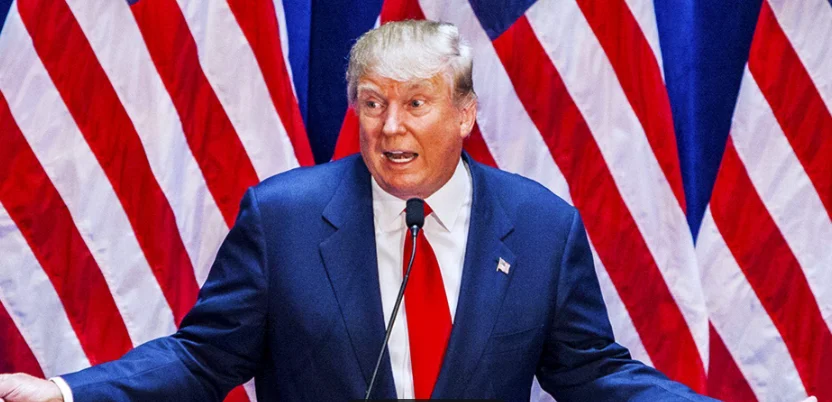
US President Donald Trump has extended for another year a $100,000 payment requirement linked to certain H-1B visa cases, keeping the restriction in place until September 21, 2027. The extension comes as the policy continues to face legal challenges in US courts.
The H-1B programme allows US employers to hire foreign professionals in specialty occupations, including technology, engineering and research. The programme is particularly important for Indian technology professionals seeking employment in the United States.
The $100,000 payment does not apply to everyone
The extended measure does not mean that every H-1B visa holder has to pay $100,000. The proclamation primarily covers certain H-1B workers who are outside the United States and seeking entry under covered petitions. The Secretary of Homeland Security can also grant exceptions when the hiring is determined to be in the national interest.
For Indian professionals already living and working in the US on H-1B visas, the extension does not automatically mean they must pay $100,000 to continue working. The rules and circumstances differ between existing workers and people seeking entry into the US under new cases.
Why India is closely watching the move
The policy is particularly significant for India because Indians represent the largest share of H-1B beneficiaries. According to USCIS data for fiscal year 2024, 71% of approved H-1B petitions were for beneficiaries born in India, compared with around 12% for China.
The continued payment requirement could therefore affect US employers seeking to bring certain Indian professionals into the country. Higher immigration-related costs could also influence hiring and employee relocation decisions by companies that regularly move skilled workers from India to the US.
Legal battle continues
The $100,000 H-1B payment requirement remains subject to legal challenges. In June, a federal court in Massachusetts ruled against the government's implementation of the fee and vacated the relevant government action. The administration has appealed, while separate legal proceedings are also underway.
As a result, although the Trump administration has extended the restriction through September 2027, its practical implementation remains tied to the ongoing court proceedings.
The administration has also introduced changes to the H-1B selection system that give greater weight to higher-skilled and higher-paid applicants.