Florida has implemented a new education policy that restricts undocumented immigrants from enrolling in the state’s public college system and adult education programs.
The State Board of Education approved the measure, requiring that all applicants to the state’s 28 public colleges must be either U.S. citizens or individuals legally present in the country. The policy also extends to adult education programs, including GED-related courses.
Officials supporting the decision argue that state-funded education resources should be prioritized for legal residents and citizens. They say the move is intended to ensure compliance with immigration laws and maintain transparency in public education admissions.
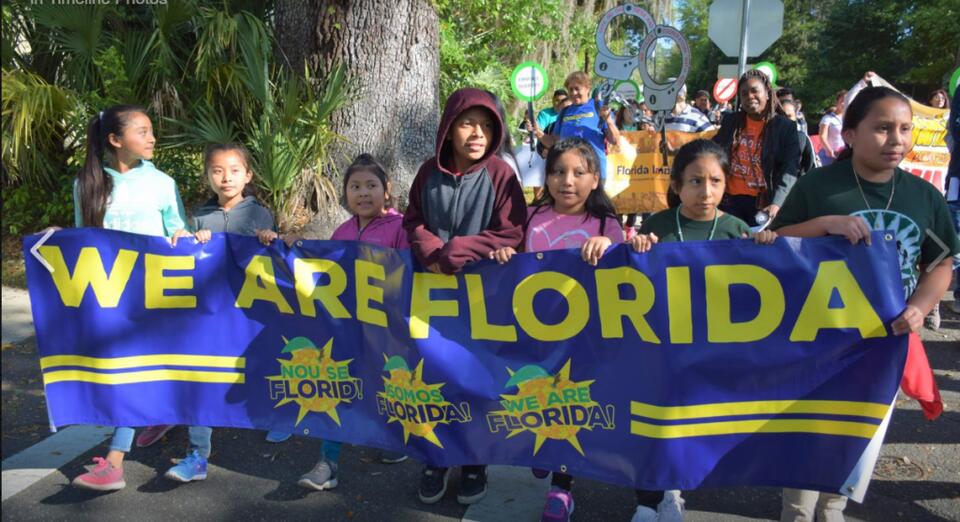
However, the decision has drawn criticism from education advocates and immigrant rights groups, who argue that the policy could limit opportunities for students who have grown up and studied in Florida schools but lack legal immigration status. Critics also warn that the measure could reduce college enrollment and have economic implications for the state’s higher education system.
The policy is part of a broader set of immigration-related measures being considered or implemented across the state in recent years. Legal and public policy experts say the rule could face challenges depending on how it is enforced and interpreted.
As the debate continues, the future impact on students, colleges, and the state education system remains uncertain.