


US Strikes Hit Southern Iran
The United States carried out strikes against several military targets along Iran’s southern coast.
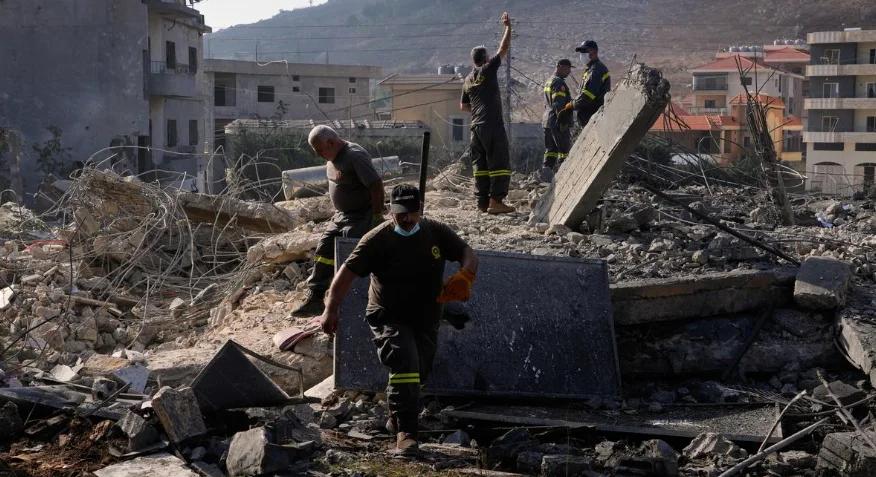
Iran also accused the US of striking a house where a wedding celebration was taking place in Kuhestak. Iranian officials said at least four people were killed and more than 68 were wounded in the incident.
Iranian authorities said a child was among those killed. The US Central Command, however, said the US military does not target civilians.
At Least 18 Killed Across Iran
Reports of explosions emerged from several Iranian coastal locations, including Konarak, Bandar Abbas, Jask, Asaluyeh and Qeshm Island.
Missile strikes were also reported near Ahvaz and Aghajari in Khuzestan province. Iranian state media reported that seven people were killed at three locations in the province, while eight others were injured.
Across Iran, the reported death toll from the latest attacks reached at least 18.
Iran Launches Retaliatory Attacks
Iran’s military said it retaliated by targeting US bases and assets across the region.
The Islamic Revolutionary Guard Corps said it launched heavy ballistic missile attacks against Prince Hassan airbase and a US Marine facility in Jordan. Iran also claimed to have targeted Sheikh Isa Airbase in Bahrain, which hosts US forces.
In Kuwait, Tehran said it targeted facilities linked to Ali Al Salem Airbase, including the headquarters and residence of the American commander. Iran also reported combined missile and drone attacks against US facilities in Iraq’s Erbil province.
Kuwait and Jordan Intercept Attacks
Kuwait said its air defence systems intercepted Iranian drones and missiles. No casualties were immediately reported.
Jordan’s armed forces said its air defences intercepted and destroyed 10 of 13 Iranian ballistic missiles that entered its airspace. The remaining missiles reportedly fell in remote areas without causing casualties.
Strait of Hormuz at the Centre
The Strait of Hormuz remains at the heart of the latest confrontation.
The strategically important waterway is a major route for global energy shipments. Iran has maintained a blockade, while the United States is seeking to challenge Tehran’s control over the passage.
Washington wants the Iranian blockade lifted without conditions. Tehran, meanwhile, is demanding that the US end its naval blockade of Iranian ports.
Diplomatic Talks Remain Deadlocked
Iranian President Masoud Pezeshkian said Tehran would reciprocate if Washington returned to the terms of a June memorandum that had helped halt military hostilities.
However, that arrangement expired on August 17, leaving negotiations stalled.
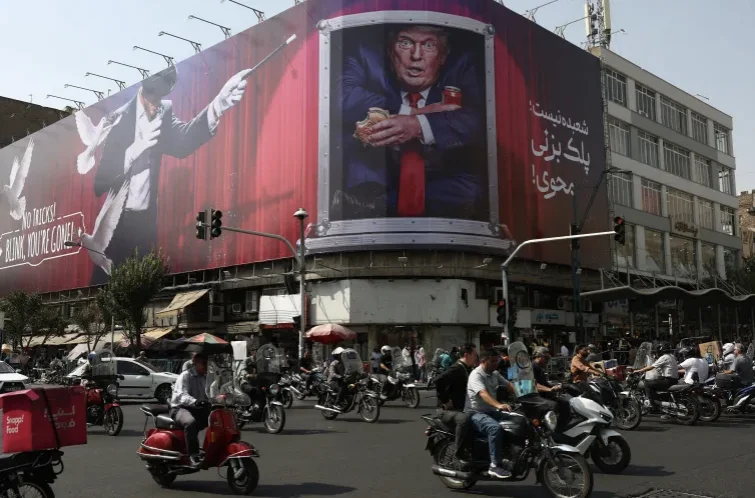
US President Donald Trump has rejected reports that Washington is trying to bring Iran back to the negotiating table. He has instead argued that the US currently holds a stronger position over the Strait of Hormuz and that Iran’s economy is under severe pressure.
Fears of a Wider Regional War
Security experts have warned that the latest exchange may not be an isolated episode.
With the underlying military dispute unresolved, both sides still have incentives to launch further attacks. The continuing dispute over Hormuz, commercial shipping and military blockades could therefore trigger repeated flare-ups.
Risks for Global Energy Markets
Any prolonged disruption in the Strait of Hormuz could have significant consequences for global energy markets because of the waterway’s importance to oil and gas transportation.
The latest escalation also comes after Washington increased economic pressure on Tehran through new sanctions, making a diplomatic breakthrough more difficult.
Conclusion
The latest US-Iran exchange has become the most serious round of fighting between the two sides in more than a month. US strikes on southern Iran were followed by Iranian missile and drone attacks targeting American assets in Jordan, Bahrain, Kuwait and Iraq.
With negotiations stalled and the Strait of Hormuz remaining a major point of confrontation, continued military escalation could increase the risk of a broader regional conflict and create new concerns for global energy supplies.