The Iran–US conflict has entered another dangerous phase, with the Strait of Hormuz once again emerging as a major flashpoint after Iran’s Revolutionary Guard said two oil tankers were hit by sea mines and caught fire.
The Islamic Revolutionary Guard Corps (IRGC) said on Wednesday that the two tankers had attempted to cross the strategic waterway using what it called an “illegal route”. According to the Guards, the vessels struck mines, exploded and were subsequently left on fire.
The IRGC did not identify the vessels, disclose their flags or provide details about their exact location or possible casualties. The claim has not been independently verified.
Crews Reportedly Evacuated
According to the IRGC statement, the crews of the two vessels had been evacuated before the tankers attempted the disputed passage.
Iranian authorities said they had previously warned ships about the dangers of navigating through areas they considered to have been mined.
The Guards also warned shipping companies that further “punitive measures” could follow if vessels continue to use routes that Tehran considers unauthorised.
Strait of Hormuz at the Centre of Conflict
The latest incident has renewed concerns about the security of the Strait of Hormuz, one of the world's most important energy routes.
The waterway normally handles a significant share of global oil shipments. The ongoing conflict has already disrupted commercial shipping, with the number of vessels passing through the strait substantially below normal levels.
The United States has maintained that it is seeking to preserve freedom of navigation and protect commercial shipping, while Iran has warned vessels against using routes it considers closed or dangerous.
US and Iran Exchange Fresh Attacks
The tanker incident came amid the most serious exchange of fire between Washington and Tehran in several weeks.
US Central Command said American forces had completed a new wave of strikes against IRGC air-defence systems, radar installations, maritime assets, mine-laying capabilities and communications facilities in Iran.
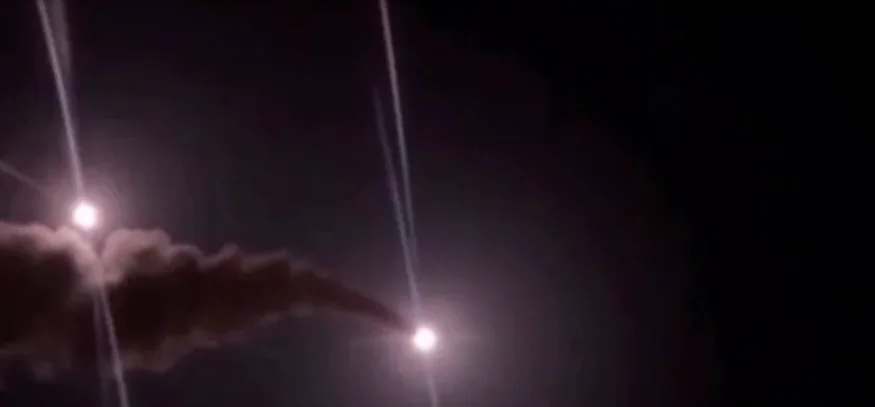
Iran responded with missile and drone attacks against US-linked positions and bases in several countries across the region, including Jordan, Kuwait, Bahrain and Iraq, according to Iranian statements and regional authorities.
Jordan said its air-defence forces intercepted 10 of 13 Iranian ballistic missiles that entered its airspace, while Kuwait reported responding to Iranian drone attacks.
Civilian Casualties Reported in Iran
The latest escalation has also raised concerns over civilian casualties.
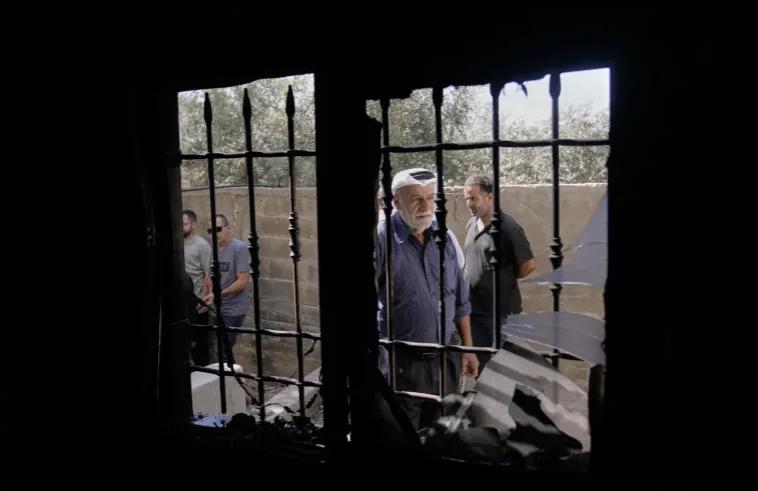
Iranian officials said a US strike near the southern city of Sirik hit a residence where a wedding celebration was taking place. Iranian authorities reported deaths and dozens of injuries, including among women and children. The United States has not independently confirmed the Iranian account.
Trump Warns of Stronger Response
US President Donald Trump has warned Tehran against retaliating for the latest American strikes.
Trump said Iran would face a “much harder and higher” response if it attacked US interests following the latest operation.
The statements have added to fears that the conflict could expand further across the Gulf and place additional pressure on global energy supplies.
Oil Markets Under Pressure
The renewed fighting has already affected energy markets. Brent crude moved sharply higher earlier in the day amid concerns over disruption to oil shipments through Hormuz, before retreating from its session peak.
Analysts warn that a prolonged disruption to shipping through the strait could push oil prices significantly higher and increase inflationary pressure worldwide.