


Modi Emphasises Dialogue Over War
Amid continuing tensions in West Asia, India has reiterated its preference for diplomatic solutions.
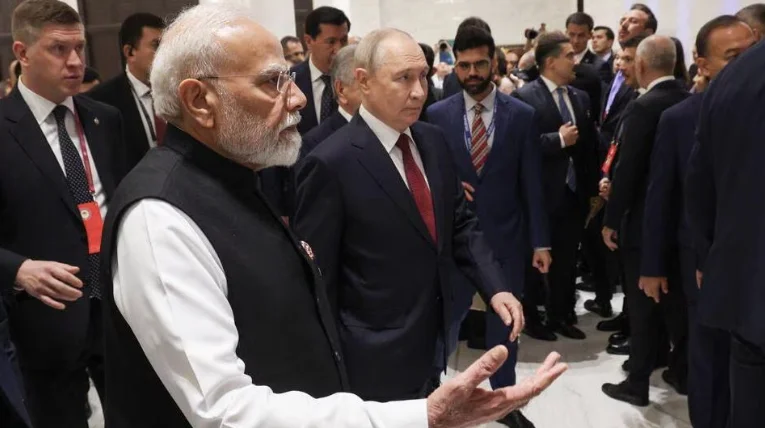
Prime Minister Narendra Modi has stressed that dialogue and diplomacy are essential for achieving a durable resolution to regional conflicts, rather than relying solely on military action.
India Concerned Over West Asia Tensions
Developments across West Asia have raised concerns internationally.
Further escalation could affect civilian safety, energy supplies, trade and maritime transportation. India has therefore emphasised the importance of diplomatic efforts aimed at reducing tensions and preventing a wider regional conflict.
Need to Counter the Terror Ecosystem
While supporting dialogue, India continues to maintain a firm position against terrorism.
Modi has emphasised the need for coordinated international action against networks and systems that provide financial, organisational or logistical support to terrorism.
India Backs Diplomatic Engagement
India has consistently supported direct dialogue between countries as a way of resolving regional disputes.
Continued communication can help reduce misunderstandings, create opportunities for negotiation and prevent tensions from escalating further.
Protecting Civilians
Armed conflicts often have their greatest impact on ordinary civilians.
India has stressed the importance of protecting civilian populations and ensuring that humanitarian assistance and essential services can continue during periods of conflict.
Energy Security Concerns
West Asia plays a critical role in global energy markets.
Any prolonged regional conflict could disrupt oil and gas supplies, increase energy prices and affect shipping routes. These developments are particularly important for countries such as India that rely significantly on energy imports.
India’s Diplomatic Role
India maintains strong economic, strategic and people-to-people ties with several countries across West Asia.
Regional peace and stability are therefore directly linked to India’s interests. New Delhi could use its relationships in the region to support diplomatic efforts aimed at reducing tensions.
Firm Stand Against Terrorism
India’s position combines support for dialogue with a strong call for action against terrorism.
New Delhi has consistently argued that international cooperation must prevent terrorist organisations from receiving financial resources, safe havens or other forms of support.
Need for a Comprehensive Solution
India’s position is that military action alone cannot provide a lasting solution to the West Asia crisis.
Political dialogue, diplomatic engagement, humanitarian measures and efforts to dismantle terrorist networks may all be necessary to achieve greater regional stability.
Conclusion
Prime Minister Narendra Modi has called for dialogue and diplomacy instead of war as the way forward in addressing tensions in West Asia. At the same time, he has stressed the need to confront the broader ecosystem that supports terrorism.
With regional instability posing risks to civilians, energy supplies, trade and global security, reducing tensions through diplomacy has become increasingly important. India’s approach places dialogue, regional stability and strong action against terrorism at the centre of its response.