Proposal to Restrict Social Media for Children
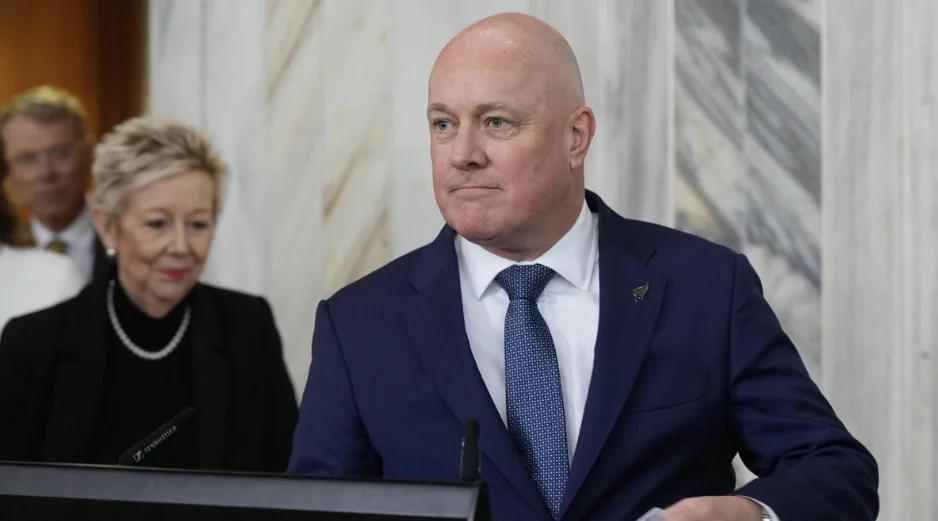
New Zealand Prime Minister Christopher Luxon has proposed restricting social media access for children under the age of 16.
The proposal comes amid growing concerns about the impact of social media on young people's safety and wellbeing.
Age Limit of 16
The central element of the proposal is a 16-year age threshold for social media use.
If implemented, social media platforms could be required to introduce systems capable of verifying the age of users and preventing those below the threshold from accessing their services.
Protecting Children Online
The government is examining several risks associated with children's use of social media.
These include cyberbullying, exposure to harmful content, online harassment and privacy concerns.
Greater Responsibility for Platforms
Social media companies could face additional responsibilities if the proposal becomes law.
Platforms may need to introduce effective age-verification systems to ensure that users below the minimum age cannot access their services.
However, such systems could also raise questions about privacy and the protection of personal data.
Global Debate Over Children's Social Media Use
Governments around the world are increasingly considering restrictions on children's access to social media.
While supporters argue that stronger rules are necessary to protect young people, critics have raised questions about enforcement, privacy, freedom of access and the practical effectiveness of age restrictions.
Role of Parents
Government regulation would not replace the role of parents in protecting children online.
Parental awareness of children's online activities, the content they access and the amount of time they spend on social media can also play an important role in digital safety.
Conclusion
New Zealand Prime Minister Christopher Luxon has proposed banning children under 16 from using social media.
The government says the proposal is intended to protect young people from online risks. However, questions around age verification, privacy, enforcement and the practical implementation of such a ban are likely to remain central to the debate.