



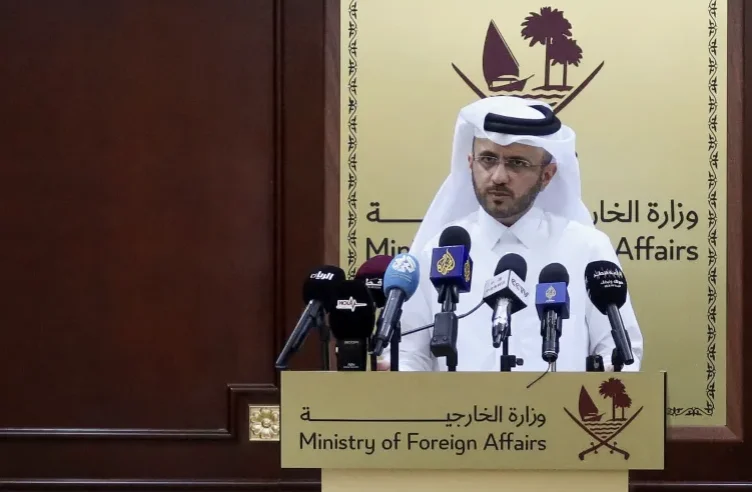
Qatar Pushes for an End to the War
Qatar is pursuing diplomatic efforts aimed at ending the ongoing conflict between Iran and the United States.
As an important Gulf state, Qatar is seeking to reduce tensions and create conditions for dialogue between the two sides. Efforts towards a possible ceasefire are also expected to form part of the broader diplomatic process.
Why the Strait of Hormuz Matters
The Strait of Hormuz is one of the world’s most important energy shipping routes.
Large volumes of oil and natural gas move through the waterway from the Persian Gulf to international markets. Any prolonged disruption to shipping through the strait could therefore have significant consequences for global energy markets.
Efforts to Reopen the Strait
The conflict has created concerns over the safety and continuity of shipping through the Strait of Hormuz.
Restoring secure maritime traffic would help stabilise the movement of oil and gas and reduce uncertainty in international energy markets. Reopening the route is therefore a major part of efforts to contain the wider economic impact of the conflict.
Impact on Global Oil Markets
Any sustained disruption to energy shipments through Hormuz could put upward pressure on oil and gas prices.
If supply disruptions continue, countries dependent on energy imports could face higher costs. Increased fuel and transportation expenses could also contribute to inflationary pressures in economies around the world.
Security Concerns for Gulf States
The Iran-US conflict is also creating wider security concerns across the Gulf.
Oil facilities, ports, commercial vessels and maritime routes could face increased risks during prolonged regional instability. Gulf states therefore have a strong interest in preventing the conflict from escalating further.
Diplomacy Takes Centre Stage
Finding a diplomatic solution has become increasingly important as the military confrontation continues.
Countries such as Qatar can potentially play a role in facilitating communication between the opposing sides. However, a lasting settlement would require progress on the major political and security disagreements between Iran and the United States.
Impact on Global Trade
Disruption in the Strait of Hormuz could affect more than energy markets.
Shipping between Asia, Europe and the Middle East could also be affected if vessels are forced to alter routes. Longer journeys could increase transportation, insurance and logistics costs.
Need to Reduce Regional Tensions
Prolonged instability in the Gulf could have consequences for the global economy.
A ceasefire, secure maritime routes and restoration of energy supplies have therefore become urgent priorities for countries seeking to limit the economic and geopolitical fallout from the conflict.
Conclusion
Qatar says efforts are underway to end the Iran-US war and reopen the Strait of Hormuz through diplomatic engagement.
The success of these efforts could have major consequences beyond the Middle East. Because Hormuz is critical to global energy transportation, developments there could influence oil prices, international trade, inflation and regional security.