


The United States has taken a significant step toward addressing one of its biggest environmental challenges by launching a large-scale project to process decades-old highly radioactive nuclear waste.
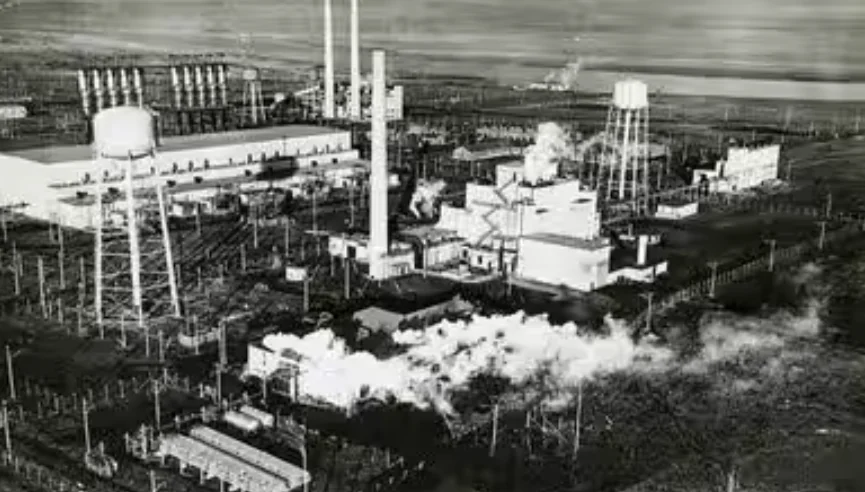
The waste, estimated at 56 million gallons, has been stored in 177 underground tanks at the Hanford Site in Washington State. It is a legacy of plutonium production carried out during World War II and the Cold War. Over the years, concerns have grown about leaks from aging storage tanks and the potential contamination of soil and groundwater.
To tackle this problem, scientists and engineers are using a process called vitrification, in which radioactive waste is mixed with glass-forming materials and heated to extremely high temperatures. The molten mixture is then poured into stainless steel containers, where it cools and solidifies into durable glass logs that can safely contain radioactive materials for thousands of years.
According to project officials, the vitrification plant is expected to produce around 4.2 metric tons of solid glass every day, marking a major milestone in the long-delayed Hanford cleanup effort. The project had faced years of technical, political, and budget-related challenges before reaching this stage.
Experts say converting radioactive waste into glass significantly reduces the risk of leaks and environmental contamination, making long-term storage much safer. The cleanup is considered one of the most complex environmental remediation projects ever undertaken in the United States.