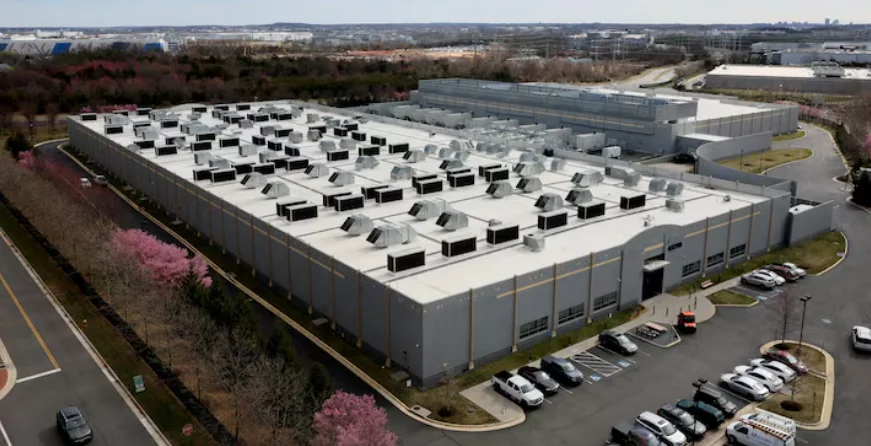
The rapid expansion of AI-powered data centres in Virginia is placing unprecedented pressure on the state's electricity infrastructure. Utility provider Dominion Energy is increasingly turning to the wholesale power market to meet soaring demand, resulting in significantly higher operating costs.
According to reports, Dominion's fuel costs are projected to rise from $2.31 billion in 2021 to nearly $4.35 billion by 2027, reflecting the enormous increase in electricity consumption driven by data centres. By 2027, around 23% of the utility's electricity supply is expected to come from the wholesale market, compared with much lower levels in previous years.
The increased reliance on wholesale electricity has sparked concerns that residential electricity bills could rise by about 13%, with the average monthly bill potentially reaching around $195. Consumer advocates argue that ordinary households should not be forced to bear the costs of infrastructure built primarily to support large technology companies.
Dominion Energy, however, maintains that expanding its own power generation capacity would reduce dependence on the volatile wholesale market. The company also says its proposed $66.8 billion merger with NextEra Energy would strengthen long-term energy security and improve supply reliability.
In addition, Dominion pointed to its $11.7 billion offshore wind project, claiming it could save nearly $5 billion in fuel costs over the next decade while supporting the state's growing energy needs.
Virginia Governor Abigail Spanberger has called for measures to ensure that consumers are protected from excessive electricity costs as regulators review the proposed merger. The debate highlights the growing challenge of balancing AI infrastructure expansion with affordable and reliable electricity for residents.