As monsoon clouds transform landscapes across India, a forgotten culinary tradition linked to railway journeys and colonial-era travel is receiving renewed attention. The revival of Dak Bungalow cuisine has brought back memories of a time when food was an important part of the travel experience.
Dak Bungalows were rest houses built during the British era for officials and travellers who frequently moved across regions. The cooks, known for preparing meals with locally available ingredients, created dishes that combined Indian spices with influences from British cooking traditions.
Over time, these recipes became part of India’s food heritage. Dishes associated with Dak Bungalow kitchens, including traditional chicken and mutton preparations, gained popularity for their rustic flavours and nostalgic appeal.
The connection between rail travel and food has always been an important part of India’s cultural history. From station refreshment rooms to dining cars on luxury trains, railway cuisine evolved alongside the country’s expanding rail network.
One of the finest examples of this legacy is the iconic Deccan Queen, which continues to preserve the tradition of onboard dining. The train, introduced in 1930, is known for its historic dining car experience and remains a symbol of India’s railway heritage.
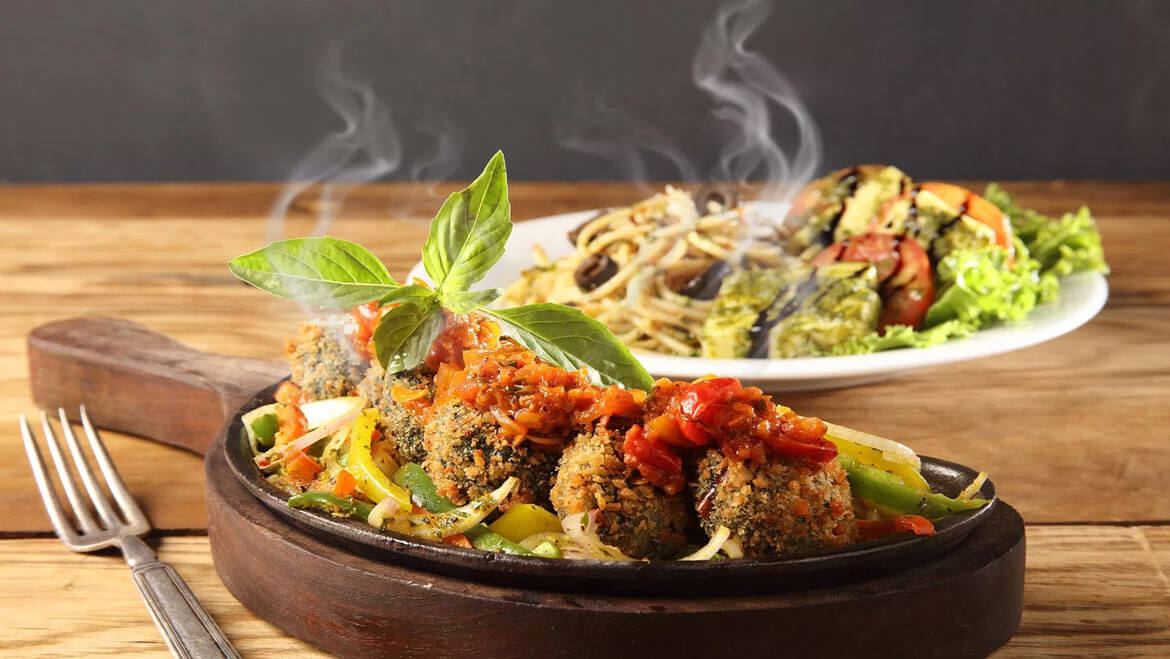
The renewed interest in Dak Bungalow cuisine comes at a time when diners are increasingly exploring heritage foods and regional recipes. Restaurants and chefs are recreating these traditional dishes while adding modern presentation and techniques to attract younger audiences.
Food historians say such revivals are not just about taste but also about preserving stories connected to travel, culture, and changing lifestyles. Railway meals, roadside stops, and old rest-house kitchens represent a unique chapter of India’s culinary journey.
With the monsoon season adding to the charm of slow travel and comfort food, Dak Bungalow-inspired dining offers a nostalgic experience that connects today’s food lovers with India’s rich railway and culinary past.