Border Security at the Core of National Security
India cannot be fully secure unless its borders are secure, Union Home Minister Amit Shah has said.
His remarks underline the close connection between border management and the country's wider internal security framework.
Maintaining constant vigilance along India's borders is therefore a key priority for the security establishment.
Role of Security Forces
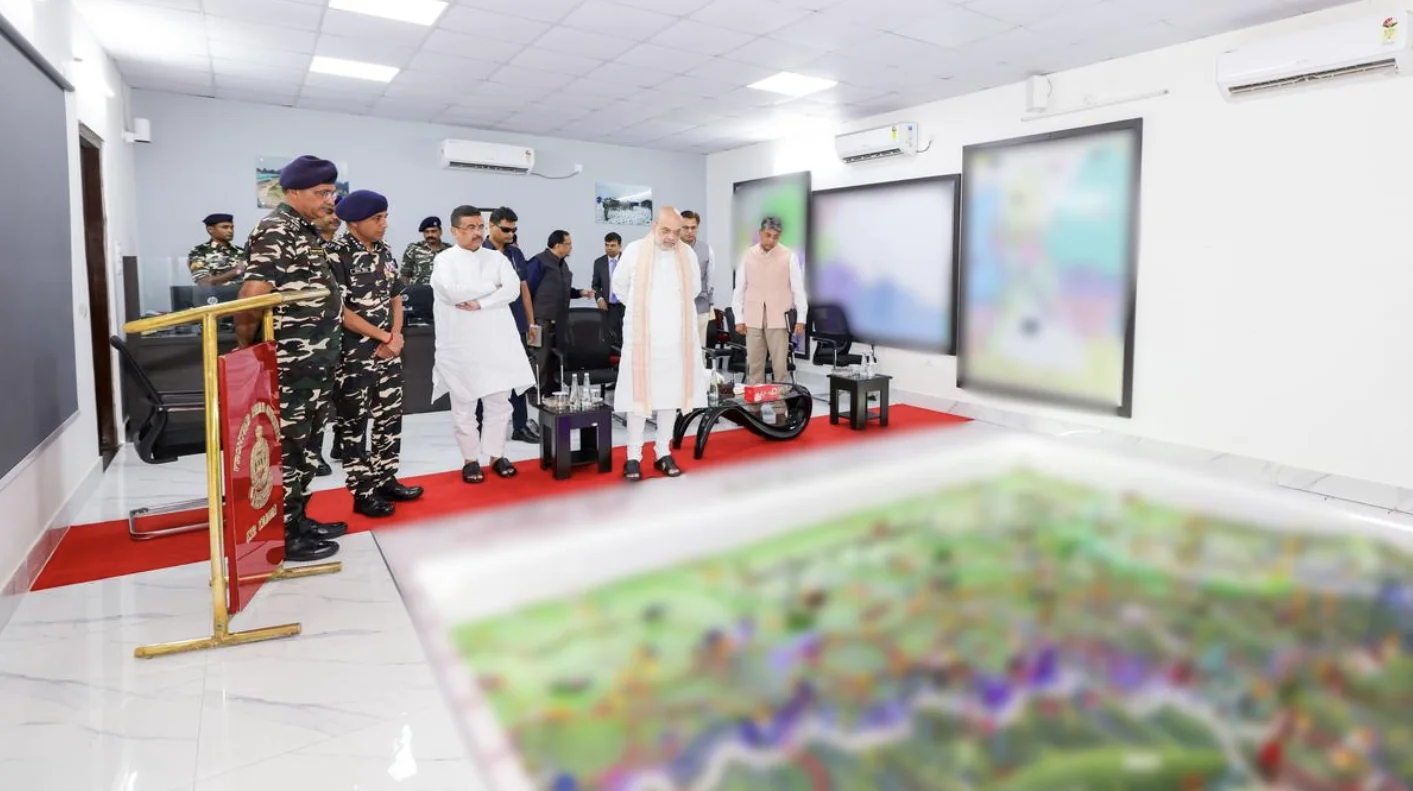
Security forces deployed along India's borders play a critical role in protecting the country.
Continuous surveillance, rapid response capabilities and the use of modern technology can strengthen the ability of security personnel to detect and respond to potential threats.
Providing personnel with adequate equipment, communication systems and infrastructure is equally important.
Preventing Infiltration
Illegal infiltration remains one of the challenges associated with border management.
Preventing unauthorised entry, monitoring suspicious movement and strengthening surveillance can help improve border security.
Modern tools such as sensors, cameras and drones are increasingly being incorporated into border surveillance systems.
Strengthening Border Infrastructure
Border security is not dependent only on personnel and equipment.
Infrastructure in border areas also plays an important role.
Roads, communications networks, electricity and transport links can improve the ability of security personnel to reach remote areas quickly and respond to emergencies.
Better infrastructure can also improve connectivity for communities living in border regions.
Growing Role of Technology
Technology is becoming increasingly important in modern border management.
Drones, radar systems, sensors, satellite-based surveillance and real-time communication tools can improve monitoring capabilities.
The use of such systems can help security agencies cover difficult terrain and respond more efficiently to emerging threats.
Different Borders, Different Challenges
India's borders cover a wide range of geographical conditions.
Mountainous regions, deserts, forests and riverine areas present different operational challenges for security agencies.
Border management strategies therefore need to be adapted to local conditions.
Coordination among central and State governments, security agencies and local administrations is also important.
Link With Internal Security
Weak border security can create opportunities for activities such as smuggling, illegal movement of weapons and narcotics trafficking.
Such activities can eventually create challenges for internal security.
Strengthening border management can therefore help address threats before they reach India's interior regions.
Role of Border Communities
People living in border areas can also play an important role in strengthening security.
Better communication and trust between local communities and security agencies can help authorities receive information about suspicious activity.
Development in border regions can simultaneously improve living conditions and contribute indirectly to stronger security.
Need for a Long-Term Strategy
Border security is an ongoing process.
Security agencies must continuously adapt to changing threats, emerging technologies and new methods used by criminal and hostile networks.
The growing use of drones, cyber-enabled threats and sophisticated surveillance systems makes regular upgrades to security infrastructure and training increasingly important.
Conclusion
A secure border is fundamental to India's national security, Amit Shah has emphasised.
Strengthening border protection will require a combination of modern technology, better infrastructure, effective surveillance and close coordination among security agencies.
At the same time, development in border regions and stronger engagement with local communities can contribute to a more comprehensive and sustainable security strategy.