As India commemorates its 80th Independence Day, historians are revisiting one of the darkest chapters in the subcontinent's history—the Partition of 1947, which led to the creation of India and Pakistan. The division triggered one of the largest forced migrations in history, with millions displaced and widespread communal violence claiming countless lives.
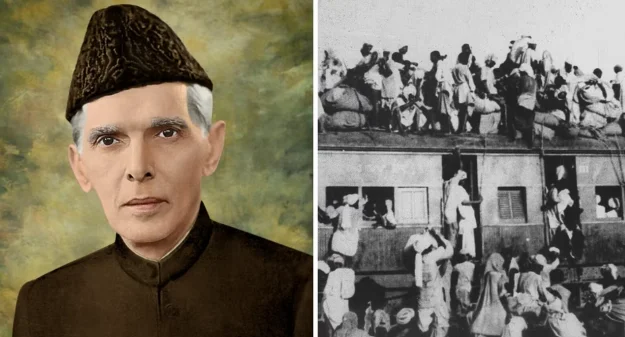
According to historical accounts, Pakistan's founder Muhammad Ali Jinnah witnessed the horrific aftermath of Partition while flying over Punjab in a Dakota aircraft. Reports describe endless columns of refugees travelling in opposite directions, abandoned homes, burnt villages, and bodies lying along roads. The scale of the tragedy is said to have deeply shocked Jinnah, who reportedly remarked, "What have I done?" after seeing the devastation.
The Partition not only redrew political boundaries but also permanently altered the lives of millions. Families were separated, communities uprooted, and violence spread across Punjab, Bengal, and other regions as people fled across the newly created borders in search of safety.
Even after nearly eight decades, the memories of Partition continue to shape the relationship between India and Pakistan. The anniversary serves as a reminder of the immense human suffering caused by communal violence and the importance of preserving peace and harmony.