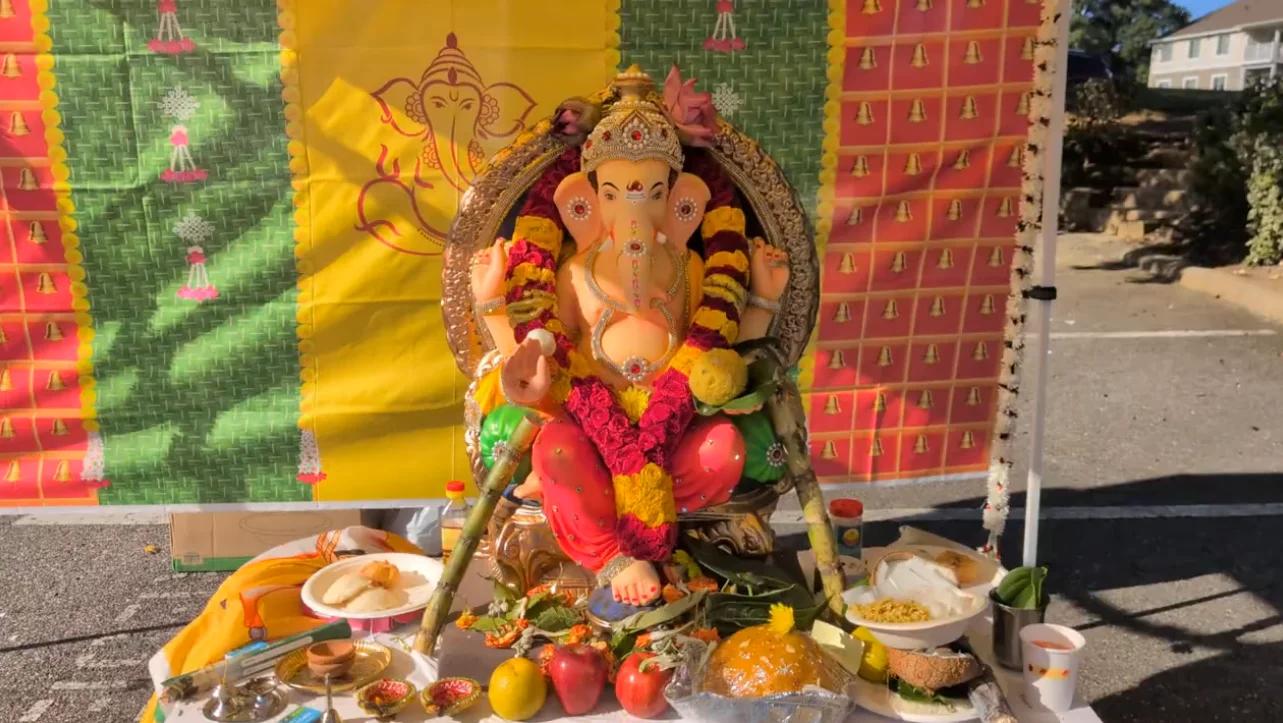

Ganesh Chaturthi holds a special place among the festivals celebrated by Indians with great devotion. Emphasizing both tradition and environmental responsibility, the ATA NJ Team organized a unique initiative encouraging children to make their own Ganesha idols and worship them at home.
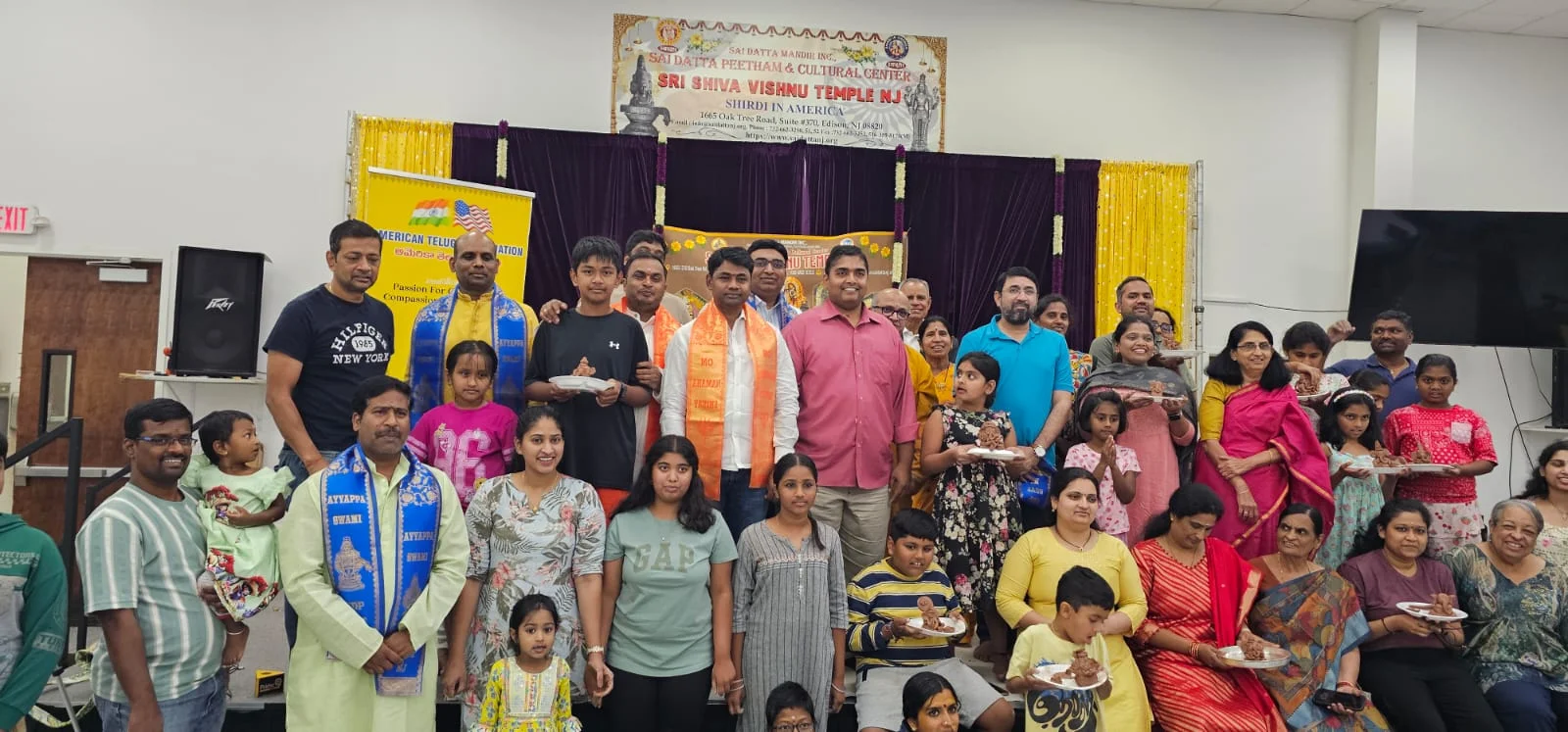
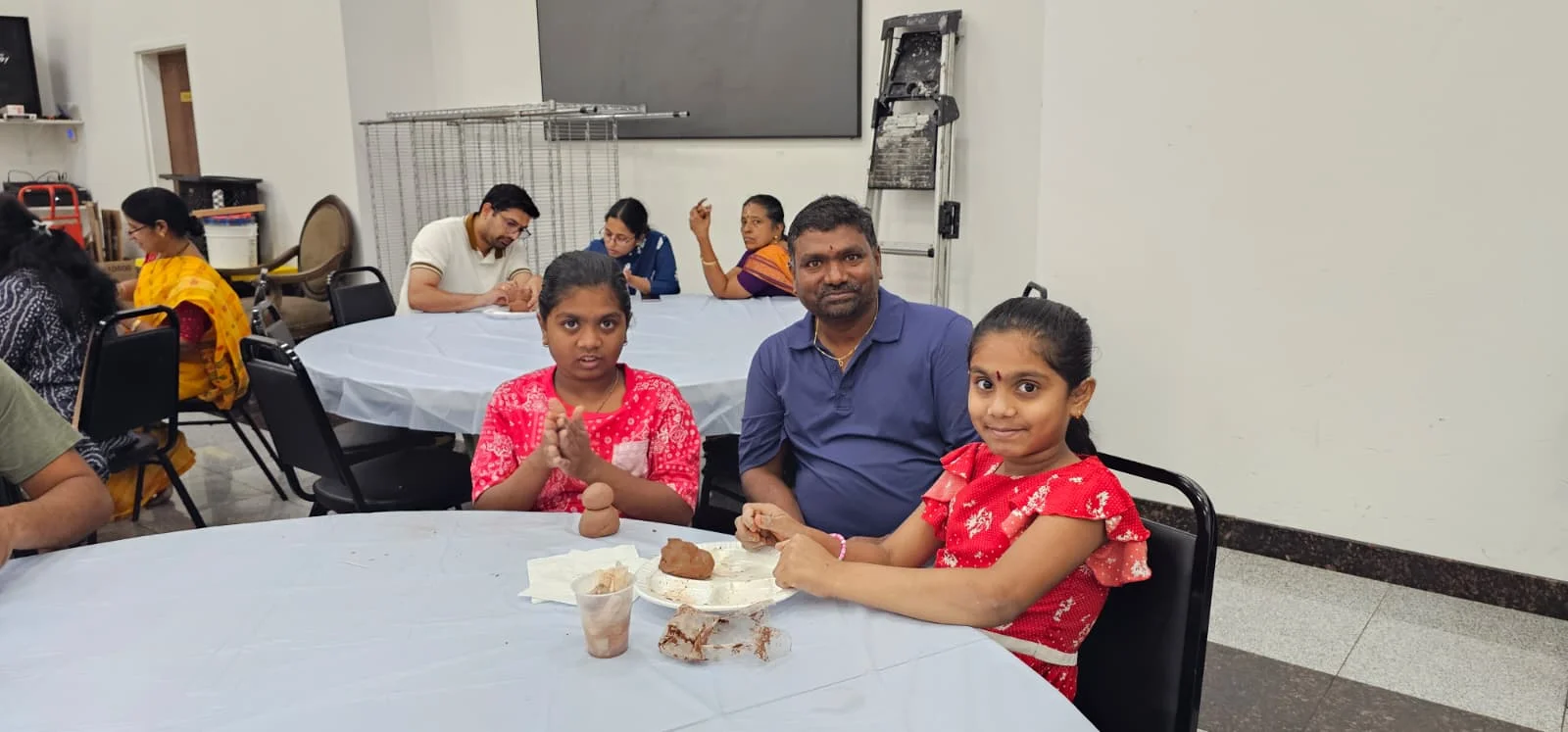
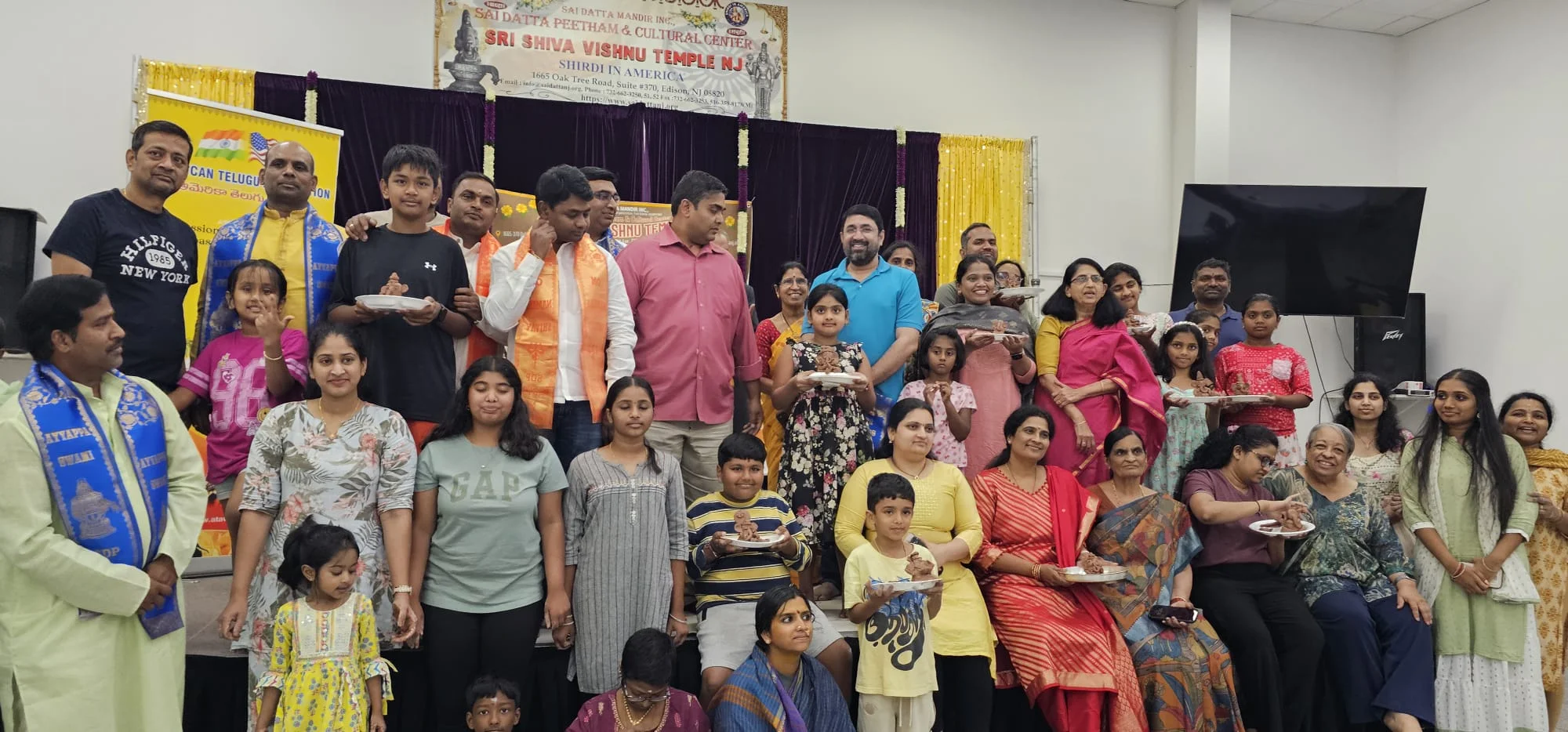
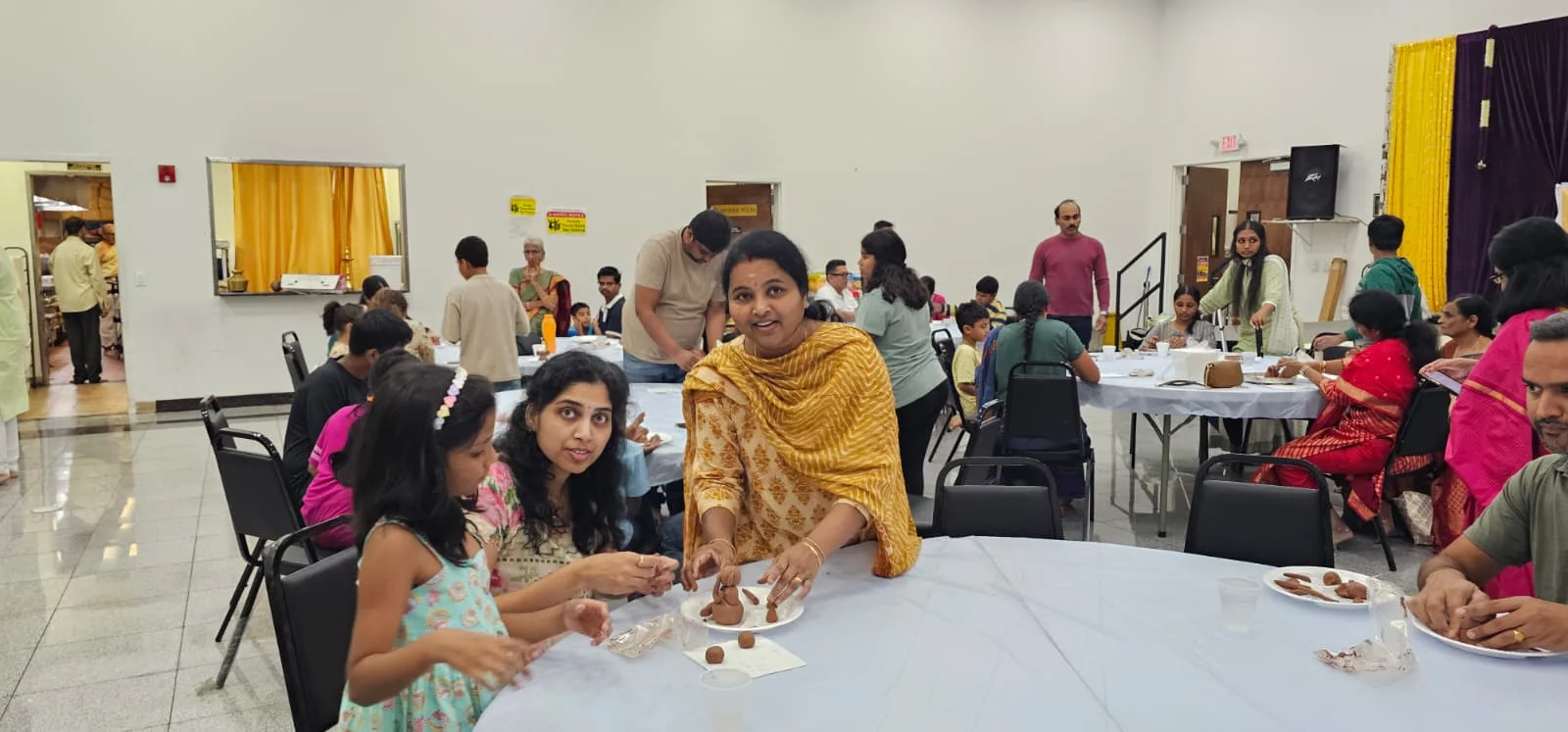
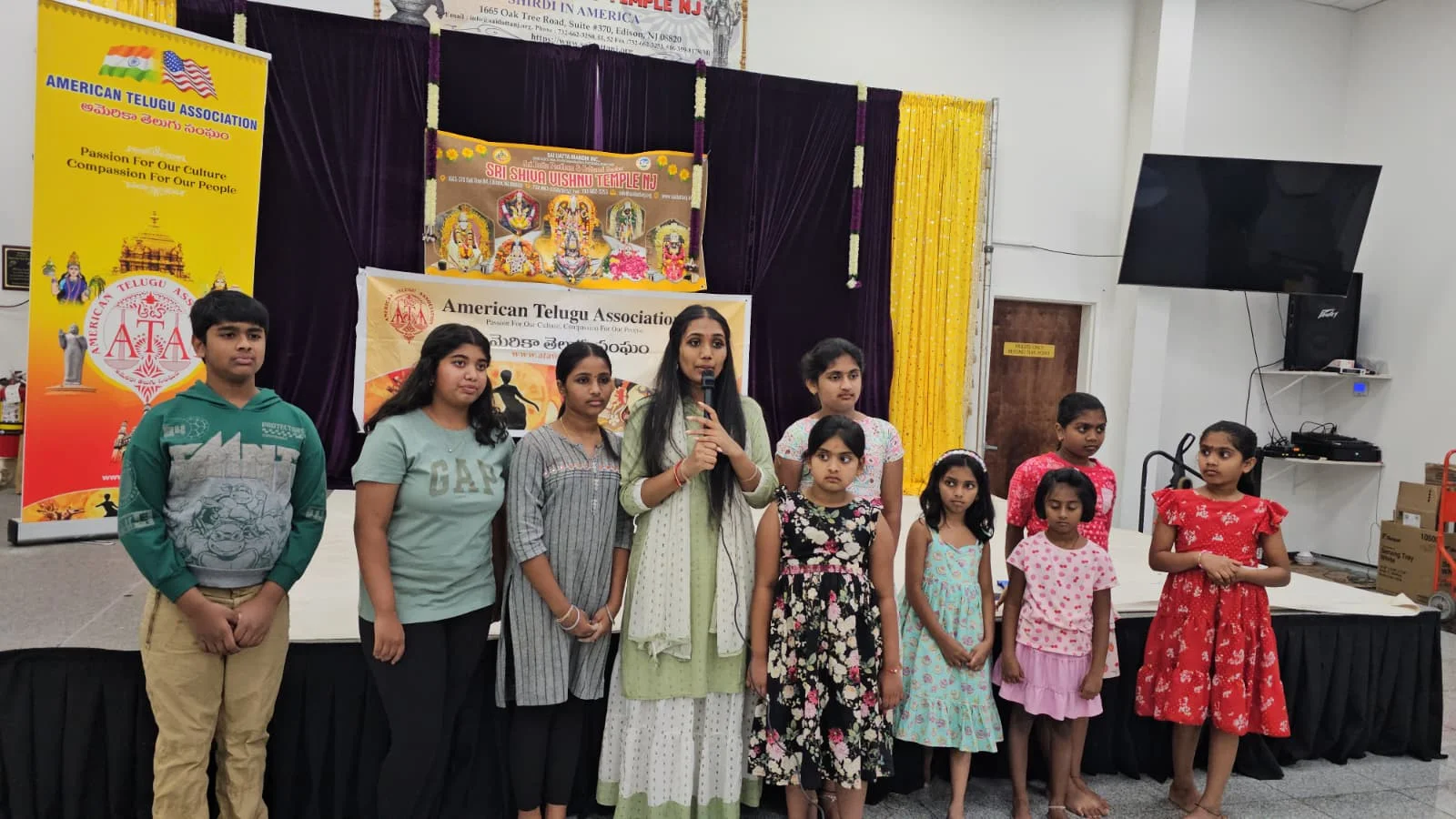
The event, titled “Making Eco-Friendly Ganesha,” received an overwhelming response. A large number of children registered for the program and participated enthusiastically along with their parents at the event held at Sai Datta Peetham.
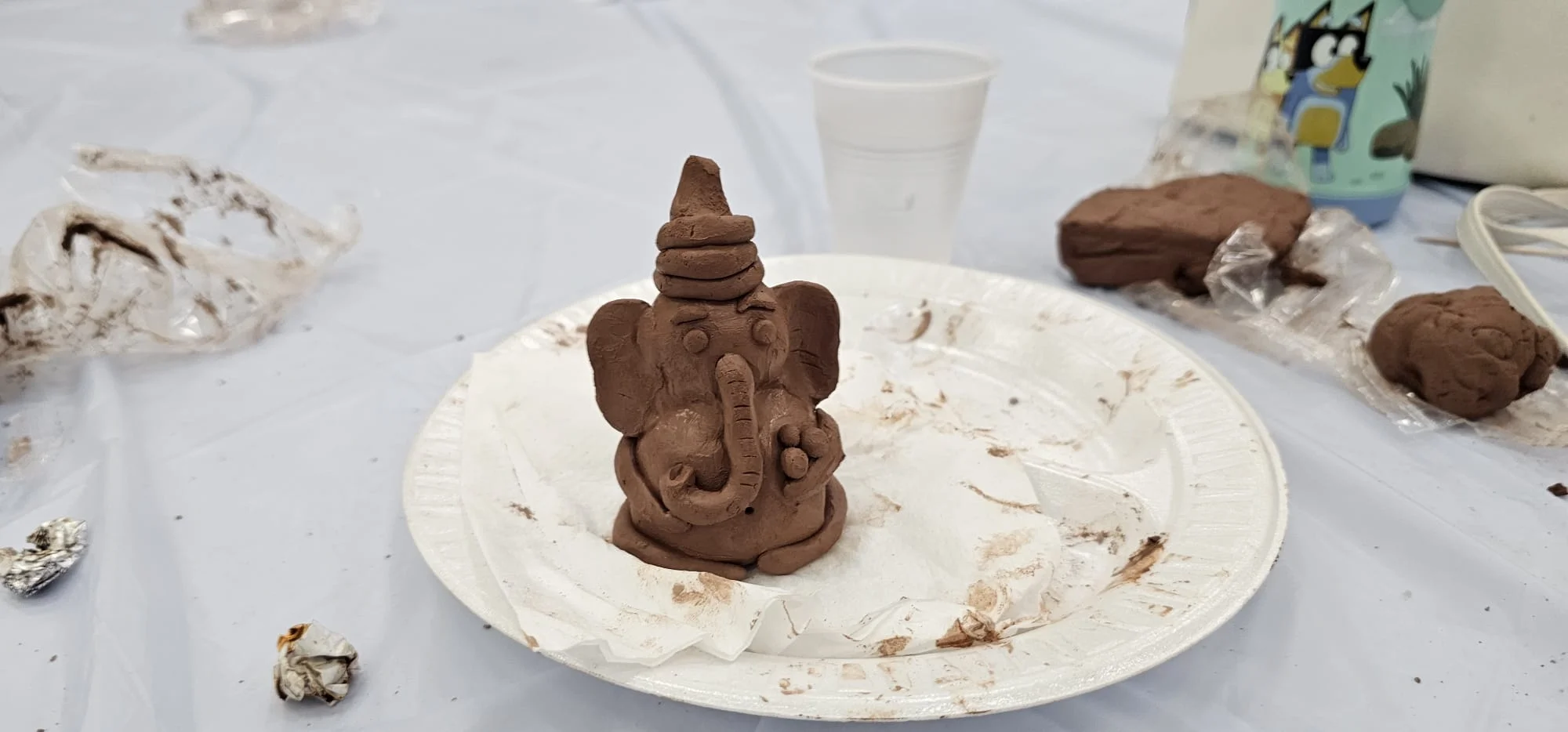
As part of the initiative, children got the opportunity to make Ganesha idols using eco-friendly clay with their own hands. The program conveyed an important message of celebrating traditions while also caring for and protecting the environment.
For the young participants, creating the beloved Ganesha idols themselves was a memorable and joyful experience. Parents expressed their happiness at seeing their children create the idols that they can now worship in their homes during Ganesh Chaturthi.
Parents appreciated the ATA NJ Team for introducing children to the significance of Ganesh Chaturthi while also creating awareness about environmental protection. They said initiatives like this can help pass cultural values and eco-friendly practices on to future generations.
Meanwhile, the ATA NJ Team expressed its happiness over the response, saying the participation and enthusiasm of children and parents exceeded expectations and provided further encouragement to organize more such initiatives.
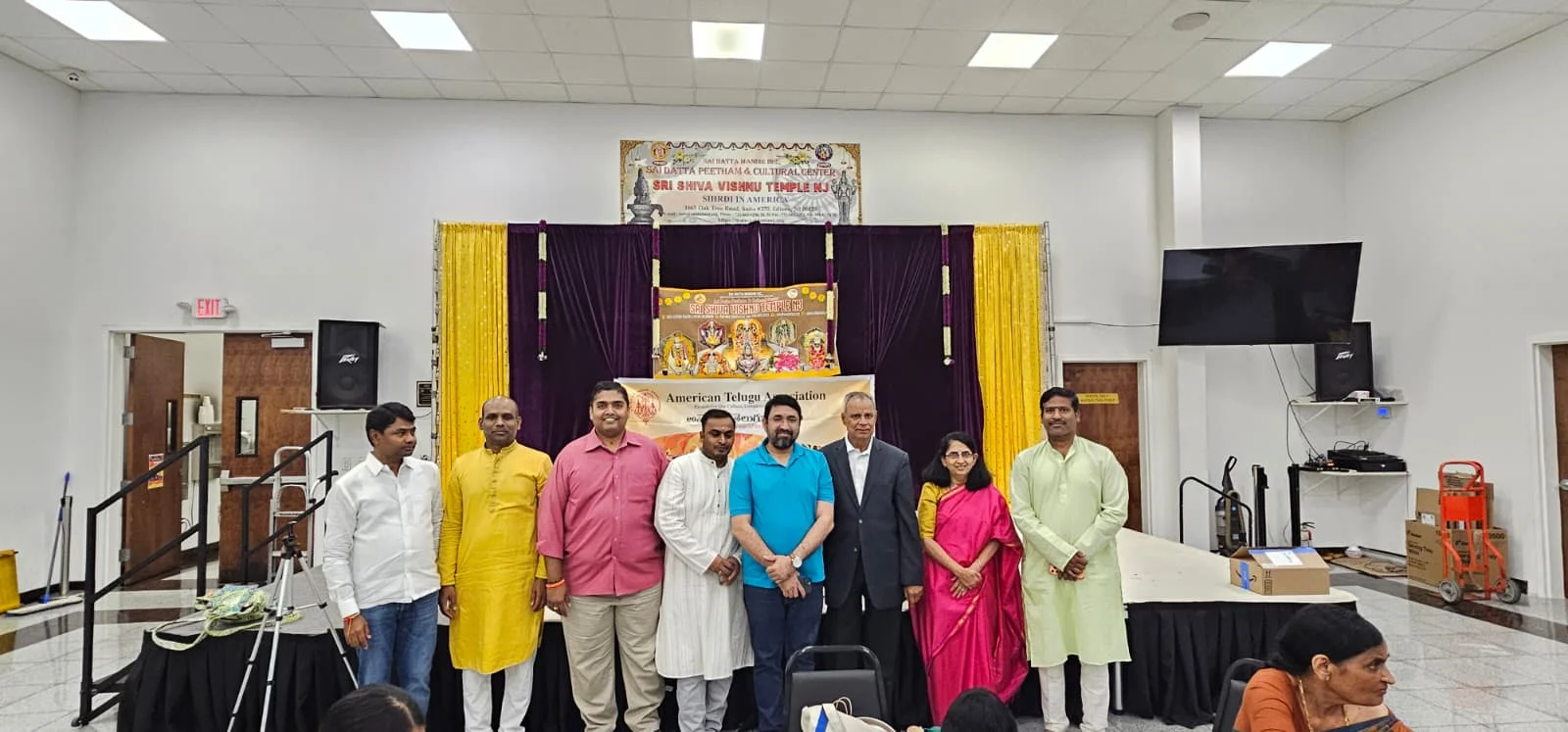
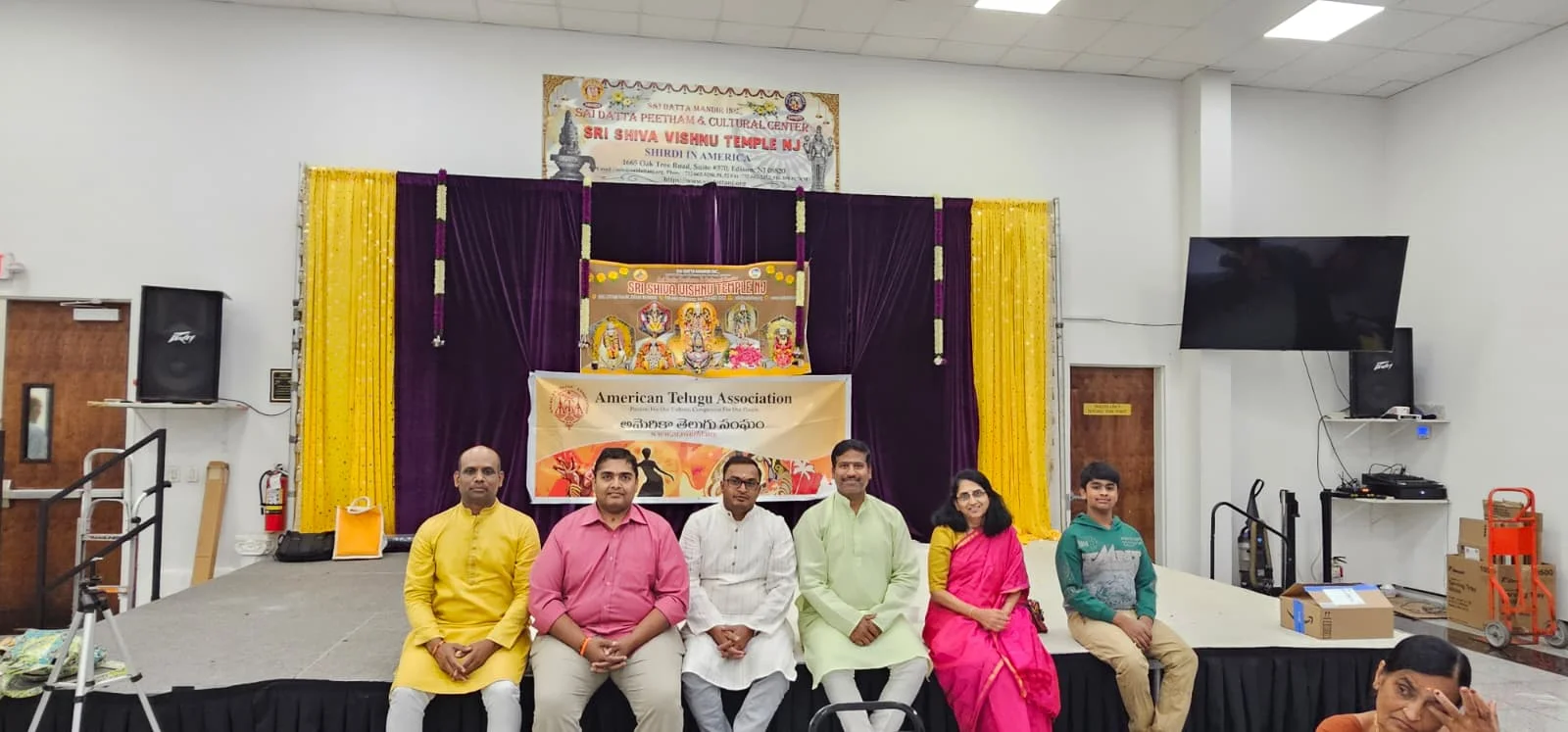
The team also thanked everyone who contributed to the success of the event, including the ATA NJ Team, NJ Youth Team, Women’s Team, Regional Coordinators, Volunteers, and all the families and community members who participated and extended their support.
The ATA Board members, coordinators, and volunteers said that with continued support from the community, ATA NJ will come forward with many more meaningful social, cultural, and environmental initiatives in the future.
The “Eco-Friendly Ganesha” initiative stood out as a memorable celebration that brought together tradition, community, and environmental responsibility, while inspiring the younger generation to celebrate festivals in a more sustainable way.