



Why are US gas prices rising?
The United States is one of the world’s largest oil producers, but it remains connected to the global oil market.
The conflict involving Iran has increased uncertainty over oil supplies and shipping routes in the Middle East. The Strait of Hormuz is particularly important because enormous volumes of oil and natural gas pass through the waterway.
When traders fear disruptions to supplies, global crude prices can rise. US refiners then face higher costs for crude, which can eventually translate into higher prices for consumers.
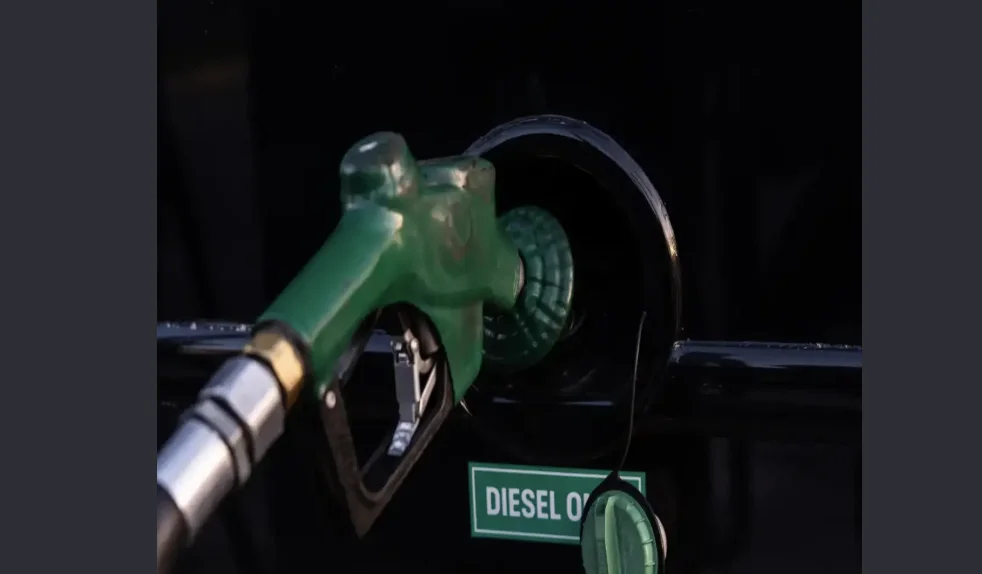
Diesel prices are an even bigger concern
Rising diesel prices are particularly significant because diesel powers a large part of the US transportation and industrial economy.
Trucks, delivery vehicles, farm machinery, construction equipment and industrial vehicles depend heavily on diesel.
When diesel becomes more expensive, trucking companies face higher operating costs. Those costs can eventually be passed on to consumers through higher prices for transported goods.
Truckers face mounting costs
Independent truckers and small trucking companies are among the businesses most directly exposed to higher diesel prices.
A long-haul truck can travel hundreds of miles a day, meaning even a modest increase in the cost of a gallon can add significantly to monthly expenses.
Large logistics companies may be able to offset some of the impact through fuel surcharges or contracts, but smaller operators have fewer options.
Food prices could also rise
Fuel is an essential part of the entire food supply chain.
Farmers use fuel for planting, irrigation and harvesting. Crops then need to be transported to processing facilities, warehouses and supermarkets.
Higher diesel and gasoline prices can therefore increase costs at multiple stages of the process.
Those additional expenses can eventually affect grocery prices and household budgets.
Air travel could become more expensive
Higher oil prices can also affect airlines.
Jet fuel is one of the largest operating expenses for carriers. If fuel prices remain elevated, airlines could pass some of those additional costs to passengers through higher fares or additional fees.
This means a geopolitical crisis in the Middle East can eventually affect the price Americans pay for domestic and international air travel.
Can the US simply produce more oil?
The United States already produces a huge amount of oil, but the global nature of the market limits how quickly domestic production can offset international shocks.
Even if US producers increase output, domestic prices remain influenced by global crude prices.
Expanding production also requires drilling, investment and infrastructure, all of which take time. That makes it difficult to immediately neutralise a sudden geopolitical supply shock.
Could fuel prices worsen inflation?
Higher fuel prices can spread through the broader economy.
When transportation becomes more expensive, businesses may face higher costs for moving raw materials, finished products and inventory. Those costs can eventually reach consumers through higher prices.
This could complicate the Federal Reserve’s fight against inflation. If energy prices push inflation higher, decisions over interest rates could become more difficult.
Why is the Strait of Hormuz so important?
The Strait of Hormuz connects the Persian Gulf with the Gulf of Oman and the Arabian Sea.
Major energy exporters including Saudi Arabia, Iraq, Kuwait, the United Arab Emirates and Qatar rely heavily on routes through or around the waterway.
Any major disruption could therefore trigger fears of a global supply shortage, potentially pushing oil prices significantly higher.
The challenge for American consumers
Consumers see the immediate impact when they fill their cars at petrol stations. But the broader economic effect is much larger.
Families, truckers, farmers, retailers, manufacturers and airlines can all face higher costs when fuel becomes more expensive.
If the conflict continues for an extended period, higher fuel prices could evolve from a temporary energy-market shock into a broader cost-of-living problem.
Conclusion
The Iran war may be taking place thousands of miles from the United States, but its economic consequences are increasingly visible in American households.
Higher gasoline and diesel prices can raise the cost of transportation, food, manufacturing and travel while adding to inflationary pressures.
How long the Strait of Hormuz remains disrupted, how much global oil supply is affected and how long the conflict lasts will be crucial in determining whether the current fuel-price surge remains temporary or becomes a more persistent economic problem.