


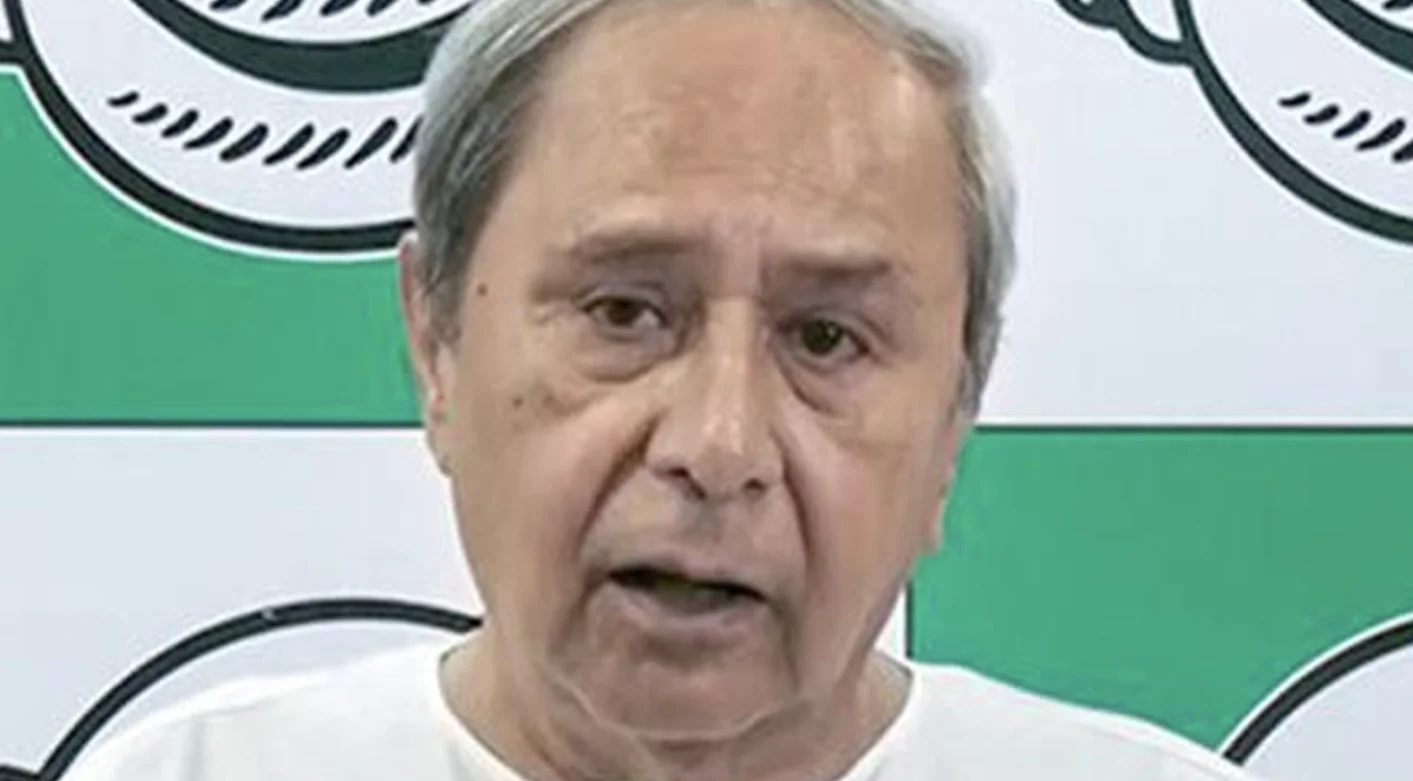
Former Odisha Chief Minister and Biju Janata Dal (BJD) president Naveen Patnaik has urged BJP MPs from Odisha to seek the reversal of an amendment to the mining law, arguing that the State’s interests must be protected.
The appeal comes against the backdrop of Odisha’s importance as one of India’s major mineral-producing States. Mining contributes significantly to the State’s revenues and has a direct impact on employment, infrastructure and development in mineral-rich districts.
Patnaik’s call puts pressure on Odisha’s BJP lawmakers to raise the issue with the Centre and seek changes to the proposed provisions.
Patnaik Appeals to BJP MPs
Patnaik has asked BJP MPs from Odisha to take up the issue in Parliament and press the Union government to reconsider the amendment.
The BJD has argued that changes to mining legislation should protect the State’s economic interests and ensure that mineral-rich States receive an appropriate share of the benefits generated from their natural resources.
The appeal also reflects the political importance of mining in Odisha, where mineral resources have long been central to economic and political debates.
Why Mining Matters to Odisha
Odisha is one of India's most important mineral-producing States.
It has substantial reserves and production of minerals including iron ore, coal, bauxite and chromite.
Mining contributes through royalties and other revenues while also supporting industrial activity and employment.
At the same time, mining districts often face challenges involving land acquisition, environmental impact, rehabilitation and local employment.
As a result, changes to mining policy can have consequences far beyond the mining industry itself.
Centre-State Issues
The debate over the mining amendment also raises broader questions about the relationship between the Union government and mineral-rich States.
While the Centre has an important role in setting national mining policy and regulating the sector, States have a direct interest in mineral revenues, local development and environmental management.
Regional parties have frequently argued that States should have adequate financial benefits and a meaningful role in decisions affecting their natural resources.
BJD’s Concerns
The BJD's concerns centre on the possibility that changes to mining rules could affect Odisha's revenue or reduce the State's influence over its mineral resources.
The party has consistently argued that mineral-rich States should receive an appropriate economic benefit from the exploitation of their resources.
It has also emphasised the need to consider the interests of communities living in mining areas, including employment, rehabilitation and environmental protection.
Pressure on Odisha’s BJP MPs
Patnaik’s appeal also carries a clear political dimension.
The BJP currently governs Odisha, giving its MPs a direct role in representing the State’s interests before the Union government.
The BJD is therefore seeking to put pressure on BJP lawmakers to demonstrate that they will defend Odisha's economic interests even when the issue involves a policy decision taken by the Centre.
Why the Amendment Matters to the Mining Sector
Changes to mining legislation can influence several aspects of the industry, including mineral exploration, auctions, approvals, production and investment.
The Union government may seek amendments to simplify procedures, attract investment or increase domestic mineral production.
However, State governments often examine such changes from the perspective of revenue, local development and their administrative responsibilities.
Finding a balance between encouraging investment and protecting State interests is therefore a major challenge in mining policy.
Investment Versus State Interests
India needs investment in the mining sector to meet growing demand for minerals and support industrial development.
At the same time, mineral-rich States expect adequate financial returns and protection for local communities and the environment.
These objectives can sometimes come into conflict.
A mining policy that makes investment easier may benefit companies and national mineral production, but States may seek safeguards to ensure that local economic and social interests are not weakened.
Political Significance in Odisha
Patnaik’s latest intervention has brought the mining issue back into the centre of political debate in Odisha.
The BJD has historically placed considerable emphasis on the State’s ownership and economic interests in its natural resources.
With the BJP now governing Odisha, the opposition party has an opportunity to challenge the ruling party over how strongly it represents the State’s interests in discussions with the Centre.
What Happens Next
The position taken by Odisha’s BJP MPs could become important when the mining amendment is debated in Parliament.
Their response will be closely watched, particularly if the BJD continues to argue that the proposed changes could affect Odisha’s revenues or control over its mineral resources.
Further discussions between the State and the Union government could also determine whether changes are made to the proposed provisions.
The Larger Issue
The dispute highlights a broader policy challenge facing India’s mineral sector.
The country needs faster mineral exploration, greater investment and higher production, but these goals must be balanced against the interests of States, local communities and environmental safeguards.
For mineral-rich States such as Odisha, the distribution of economic benefits from natural resources remains a particularly sensitive issue.
Conclusion
Naveen Patnaik’s demand to reverse the mining law amendment has placed the issue firmly back on Odisha’s political agenda.
By asking BJP MPs to press the Centre, the BJD chief is seeking to ensure that Odisha’s interests in mineral revenues, local development and resource management remain central to the debate.
The coming parliamentary discussions will show whether the Centre and Odisha’s political parties can find a balance between national mining priorities and the concerns of mineral-rich States.