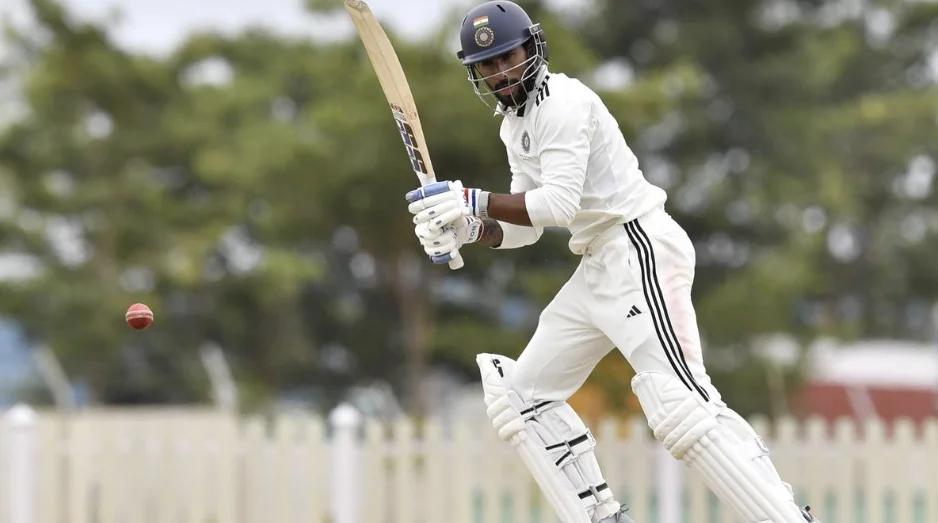



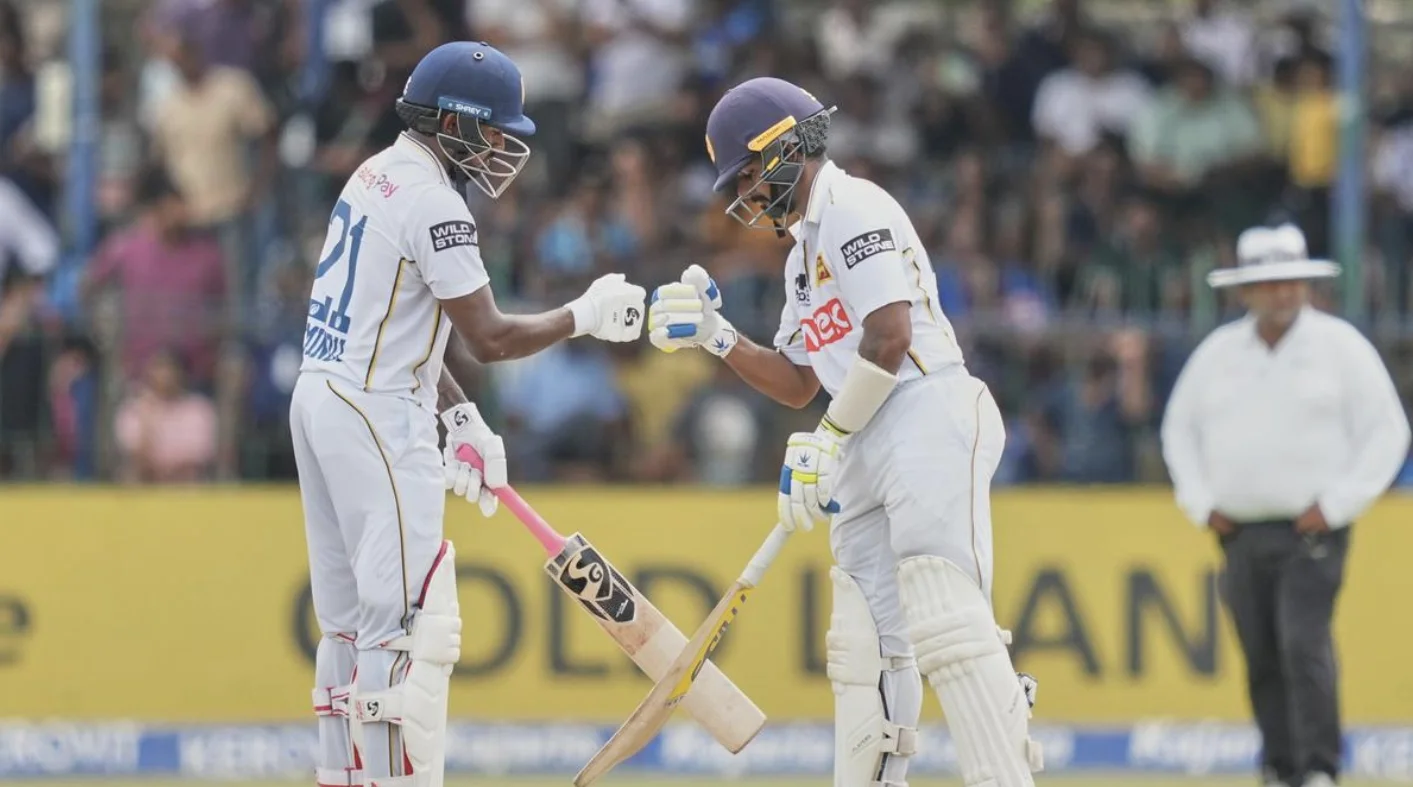
The confrontation between Yashasvi Jaiswal and Sri Lanka fast bowler Asitha Fernando during the Colombo Test has once again raised an important question in international cricket: how far can on-field aggression go before it crosses the line?
The incident occurred after Jaiswal was dismissed, when Fernando appeared to give the Indian batter an aggressive send-off. Jaiswal responded, and the exchange quickly became heated.
At one point, Jaiswal's helmet came dangerously close to Fernando's head, creating an uncomfortable moment between the two players. Both were subsequently fined 25% of their match fees for the incident.
Sledging has been part of international cricket for decades. Players have regularly attempted to unsettle opponents through verbal exchanges, particularly in Test cricket.
There is a difference, however, between competitive banter and personal abuse.
Comments aimed at a player's family, physical appearance, background or difficult personal experiences can cross a much more serious boundary. Players may be expected to deal with pressure and provocation, but that does not make deliberately personal attacks acceptable.
The bigger issue is what happens when a player responds physically.
Cricket is fundamentally a non-contact sport. Unlike rugby, football or other sports where physical challenges are part of the game, cricket does not require players to make physical contact with opponents.
That makes incidents such as the Jaiswal-Fernando confrontation particularly uncomfortable.
International cricketers are exposed to intense pressure. They spend long periods facing the same opponents and can become involved in heated exchanges. But controlling those emotions is part of playing at the highest level.
Some of the greatest players in Indian cricket history faced aggressive opponents without allowing arguments to define their performances.
The best response to provocation is often what happens with the bat or ball.
A batter who has been sledged can answer by scoring runs. A bowler can respond by taking wickets. Those moments remain part of cricket's competitive history long after a verbal exchange has been forgotten.
One of the famous examples from India's cricket history involved Sunil Gavaskar and Australian fast bowler Dennis Lillee. After being given a send-off in Melbourne, Gavaskar became so upset that he considered leaving the field with opening partner Chetan Chauhan. He eventually changed his mind and later acknowledged that the episode was something he regretted.
The episode illustrates how quickly emotions can overwhelm even experienced players.
Jaiswal is still a young cricketer, but he has already established himself as a world-class opener. His journey from a difficult childhood to international cricket has made him one of India's most closely followed young players.
That background also means that he has faced adversity long before reaching the international stage.
His determination is one of his strengths. But international cricket also demands emotional control, particularly when opponents try to provoke a reaction.
Jaiswal defended his response after the incident, saying that people should not judge the situation without knowing what Fernando had said. He also insisted that if an opponent crosses the line, India will respond and fight back.
There is certainly nothing wrong with a team standing up for one of its players.
The problem arises when defending a teammate turns into a public confrontation.
Players can support each other without allowing an argument to become physical. There are also more effective ways to make a statement on a cricket field.
India's players have often used their performances to answer opponents.
That approach is particularly powerful because the result remains visible on the scoreboard.
The incident also raises questions about the role of sledging in modern cricket.
Some players and former cricketers believe verbal pressure is part of the psychological battle between teams. Others argue that personal insults should have no place in international sport.
There is probably a distinction worth making.
Competitive chatter can add intensity to a Test match. Personal abuse and attempts to provoke a physical reaction are different matters.
The responsibility does not rest entirely with the player who reacts.
Bowlers and fielders also need to understand where the boundary lies. A wicket celebration is a natural part of cricket. Deliberately humiliating an opponent is something else.
International cricket has strict codes governing player behaviour precisely because emotions can sometimes spill over.
The sanctions imposed on Jaiswal and Fernando are a reminder that players are expected to maintain discipline even when a contest becomes heated.
The controversy comes during a Test series in which emotions have already been high.
India and Sri Lanka have a long cricketing rivalry, and Test matches naturally create more opportunities for sustained verbal exchanges because players spend several days competing against each other.
That makes self-control even more important.
A moment of anger can distract a player, affect the team's concentration and create unnecessary controversy.
Young players also watch what international stars do.
When established players respond to provocation calmly, they set an example for the next generation. When arguments become physical, the opposite message can be sent.
Cricket has traditionally carried the image of being a gentleman's game.
The modern version is certainly more aggressive than the sport of previous generations. Players celebrate loudly, challenge opponents and use psychological tactics.
But the basic principle of respecting the opposition should remain.
The Jaiswal-Fernando incident is therefore about more than one argument in one Test match.
It is a reminder that competition and aggression do not have to mean physical confrontation.
Players can be fierce competitors while still maintaining control.
They can answer a bowler with boundaries, a batter with wickets and an opponent's words with their performance.
That is the kind of response that ultimately matters in cricket.
The incident should also encourage teams and coaches to remind players about the importance of keeping confrontations under control.
No player should be expected to tolerate personal abuse indefinitely, but there are established channels for dealing with conduct that crosses the line.
The answer should not be retaliation.
In a sport where a single delivery can change the course of a match, the most effective revenge is often performance.
Jaiswal and Fernando have now moved on from the confrontation, but the incident has once again brought player behaviour into focus.
The message for international cricket is straightforward: players can compete hard, argue occasionally and defend their teammates, but physical confrontation should never become part of the game.
When emotions boil over, the best response is still the simplest one — let the bat and ball do the talking.