


Facial Recognition Use During NEET-UG Protests Comes Under Scrutiny
The use of facial recognition technology during protests linked to the 2024 NEET-UG controversy has come under scrutiny before the Supreme Court.
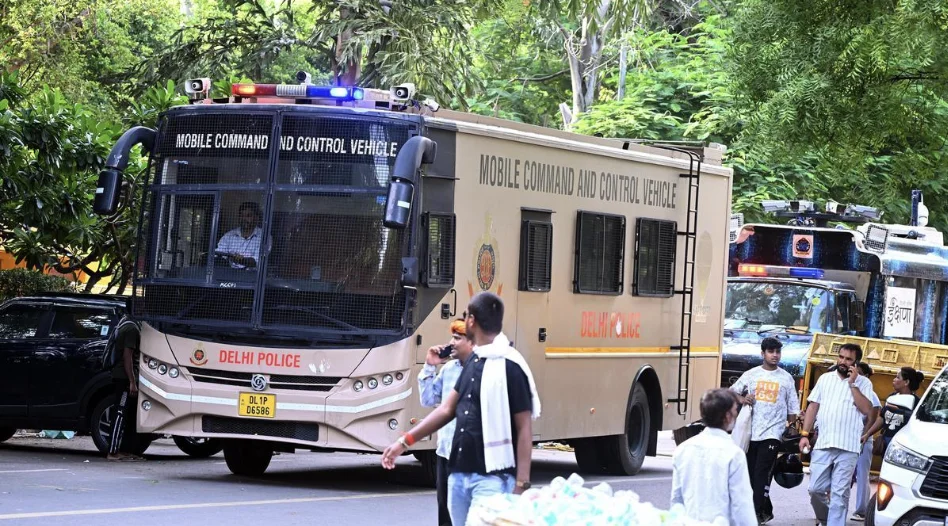
The Delhi Police has told the court that facial recognition technology was used during the protests and defended its deployment as being in the legitimate interests of the state.
The police position has brought questions surrounding surveillance, privacy and the right to protest into the legal debate.
What Did the Delhi Police Argue?
The police maintained that the technology was used for legitimate law-enforcement and public-safety purposes.
Facial recognition can help authorities identify individuals in images or video footage and compare them with existing records.
According to the police's position, such technology can assist investigations and help identify people suspected of involvement in criminal activity.
Why Did NEET-UG Protests Take Place?
The 2024 NEET-UG examination became the centre of a nationwide controversy after students and parents raised questions about the results.
Concerns included unusually high scores, multiple candidates receiving top ranks at individual centres and the award of grace marks.
The controversy triggered protests in several parts of the country, including Delhi.
How Does Facial Recognition Work?
Facial recognition technology analyses distinctive features of a person's face and compares them with images stored in a database.
Law-enforcement agencies can use the technology to assist with identifying suspects, locating missing persons and examining video footage from public places.
However, its use in large public gatherings creates additional privacy concerns because people who are not suspected of any wrongdoing may also be captured and identified.
Privacy Is a Major Concern
One of the central issues surrounding facial recognition is privacy.
The technology can potentially identify individuals without requiring them to actively provide personal information.
This raises questions about whether authorities should be permitted to identify people simply because they attended a protest or public gathering.
The issue becomes particularly sensitive when the event is a peaceful demonstration protected by constitutional rights.
Right to Protest vs Public Safety
Democratic societies have to balance the right of citizens to peacefully assemble and express their views with the government's responsibility to maintain public order.
The Delhi Police has argued that the use of facial recognition in this context served legitimate public interests.
Critics, however, can question whether the technology was used proportionately and whether sufficient safeguards existed to protect individuals who were not accused of wrongdoing.
Need for Clear Rules
The growing use of facial recognition technology has increased calls for clear legal and procedural safeguards.
Important questions include who can collect facial data, under what circumstances it can be collected, how long it can be retained and who can access it.
Rules are also needed to determine when data should be deleted and how individuals can challenge the misuse of their information.
Questions Before the Supreme Court
The legal issues raised by the case extend beyond the NEET-UG protests.
The Supreme Court's consideration could influence how law-enforcement agencies use digital surveillance tools during protests and other public gatherings.
The case raises questions about the legal basis required for facial recognition, safeguards for personal data and the limits of state surveillance.
Transparency in Surveillance
Public confidence in facial recognition depends partly on transparency.
Authorities need to be able to explain why the technology was used, what legal authority supported its deployment and what safeguards were applied to the resulting data.
This becomes especially important when surveillance technologies are used during political demonstrations or other large gatherings.
A New Dimension to the NEET-UG Controversy
The NEET-UG controversy has already generated debates over examination integrity, result processing, grace marks and question-paper security.
The disclosure regarding facial recognition adds another dimension to the dispute: digital privacy and state surveillance.
It also raises broader questions about how technology should be used when authorities are monitoring public demonstrations.
Potential Wider Impact
The Supreme Court's eventual approach to the issue could have implications for future policing practices.
If facial recognition becomes more widely used at public gatherings, legal standards concerning proportionality, data retention, accountability and privacy could become increasingly important.
Balancing Technology and Rights
Facial recognition can provide law-enforcement agencies with powerful investigative capabilities.
At the same time, the technology can affect people who have not committed any offence.
The challenge for policymakers and courts is therefore to ensure that legitimate security needs are balanced against constitutional rights and individual privacy.
Conclusion
The Delhi Police's defence of facial recognition technology during the NEET-UG protests has placed the broader issue of surveillance and privacy before the Supreme Court.
While police have argued that the technology was used in the legitimate interests of the state, the case raises important questions about the legal safeguards governing facial recognition.
The eventual judicial scrutiny could have implications well beyond the NEET-UG controversy, particularly for the use of digital surveillance during protests and other public gatherings.