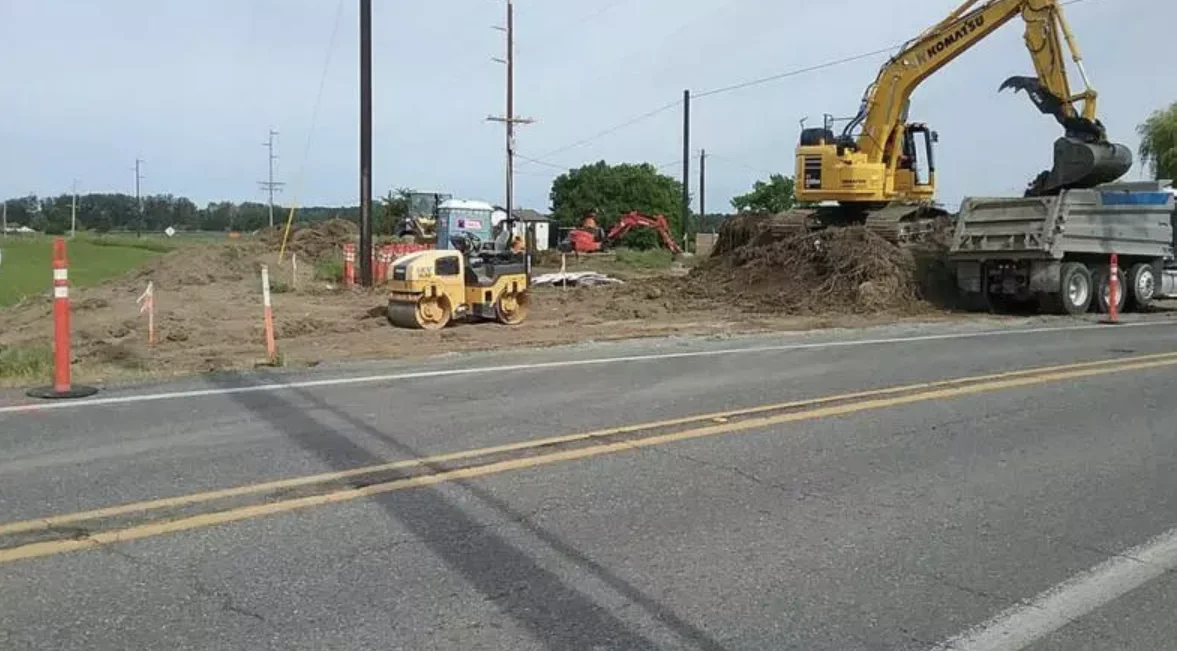
Srikakulam district in Andhra Pradesh is set to receive a major boost to its road infrastructure, with Rs 5,570 crore sanctioned for road development projects.
The large allocation is expected to strengthen road connectivity across the district and improve transportation links between villages, towns, markets and other important centres.
The investment comes at a time when better road infrastructure is increasingly important for supporting economic activity and improving access to essential services.
Major Push for Road Infrastructure
Road connectivity plays an important role in Srikakulam, particularly because large sections of the district depend on agriculture and movement of goods between rural and urban areas.
The funding is expected to support the development and improvement of existing roads as well as the expansion of important routes.
Improved road infrastructure could also help address congestion and improve connectivity between key locations across the district.
Reduced Travel Time
Better roads can make daily travel easier for residents across Srikakulam.
Road widening and improvement projects on busy routes could help reduce congestion and shorten travel times.
Improved connectivity could also make it easier for people in rural areas to travel to towns for education, healthcare, employment and government services.
Benefits for Agriculture
Agriculture is an important part of Srikakulam’s economy, making road connectivity particularly significant for farmers.
Better roads can make it easier to transport agricultural produce from villages to markets, warehouses and processing centres.
Faster transportation can reduce delays and potentially lower losses during the movement of perishable agricultural products.
Improved connectivity could also help farmers gain easier access to larger markets.
Boost to Trade and Industry
The road investment is expected to have wider economic benefits beyond transportation.
Better connectivity can make it easier for businesses to move raw materials and finished products.
Improved infrastructure can also make locations more attractive for new investments, potentially supporting industrial activity and employment generation.
For small businesses and traders, better roads can reduce transportation difficulties and improve access to customers and markets.
Better Rural Connectivity
One of the important benefits of the investment could be improved connectivity for rural communities.
Villages with better road links can gain easier access to hospitals, schools, colleges, markets and government offices.
Improved roads can also strengthen emergency transportation and make essential services more accessible to residents in remote areas.
Tourism Could Benefit
Improved road connectivity can also support tourism in Srikakulam.
Better access to tourist and religious destinations could encourage more visitors and create additional opportunities for local businesses.
Hotels, restaurants, transport operators and small traders could benefit from increased tourist movement.
Implementation Will Be Important
While the sanctioning of Rs 5,570 crore represents a major investment, effective implementation will determine how much of the benefit reaches residents.
Construction quality, timely completion of projects and efficient management of land acquisition and other administrative requirements will be important.
Regular monitoring will also be necessary to ensure that projects are completed according to the required standards and that public funds are used efficiently.
Long-Term Economic Impact
Road infrastructure investment can have benefits extending well beyond transportation.
Improved roads can strengthen agriculture supply chains, support businesses, attract investment and improve access to healthcare and education.
For Srikakulam, the large allocation could therefore become an important part of the district’s longer-term infrastructure and economic development.
Conclusion
The Rs 5,570 crore allocation for road infrastructure in Srikakulam marks a significant investment in the district’s connectivity and transportation network.
If the projects are completed on time and to high-quality standards, they could improve travel, strengthen agricultural and commercial transportation and provide wider benefits to trade, industry and tourism.
The successful execution of the projects will now be crucial to ensuring that the large infrastructure investment translates into tangible benefits for people across Srikakulam.