



What Is De-Dollarisation?
De-dollarisation refers to efforts to reduce dependence on the US dollar for international trade, investments, financial transactions and foreign-exchange reserves.
Countries have shown greater interest in alternatives amid geopolitical tensions, sanctions and concerns over excessive dependence on a single global currency. BRICS members, particularly China and Russia, have been among the strongest supporters of greater local-currency settlement.
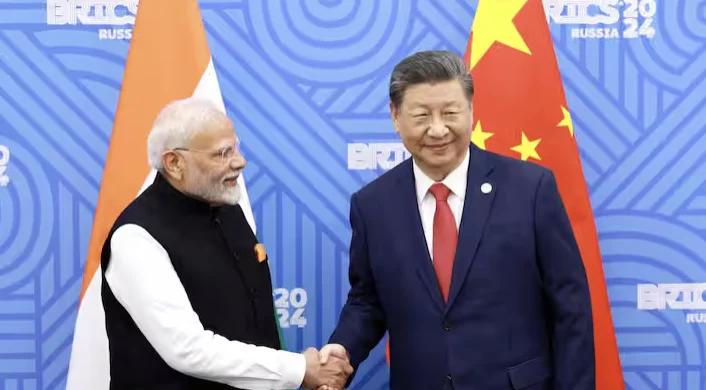
Why China’s Role Matters
China is the largest economy within BRICS and therefore has considerable influence over the grouping’s economic direction. Beijing has been encouraging wider use of the yuan in international trade and financial transactions.
However, turning the yuan into a truly global alternative to the dollar would require deeper and more open financial markets, greater currency convertibility and stronger international investor confidence.
India’s Different Approach
India is also encouraging the use of the rupee in international trade, but its approach is more pragmatic than an outright attempt to replace the dollar.
New Delhi has been developing local-currency settlement arrangements with trading partners and strengthening payment infrastructure that could make cross-border transactions easier.
The broader objective is to expand the number of currencies used in international trade rather than replace the dollar with a single alternative currency.
Will BRICS Have a Common Currency?
The possibility of a common BRICS currency has periodically attracted attention, but creating one would be extremely complicated.
BRICS members have very different economies, monetary policies, financial systems and national interests. For that reason, practical initiatives such as local-currency trade and interoperable payment systems are likely to remain more important than a single BRICS currency in the near term.
Cross-Border Payments Could Be Crucial
One of the most practical ways to reduce dependence on the dollar is to improve cross-border payment systems. BRICS countries are exploring mechanisms that could allow trade to be settled more easily and cheaply using national currencies.
India’s experience with digital payments infrastructure such as UPI could become relevant as countries look for faster and more efficient international payment mechanisms.
Why the Dollar Will Be Difficult to Replace
The US dollar has deep structural advantages. It remains central to global trade, financial markets, commodity pricing, foreign-exchange reserves and international lending.
As a result, even if the use of other currencies increases, completely replacing the dollar would be extremely difficult in the short term. A more likely outcome is a world where the dollar remains dominant but shares greater space with the euro, yuan, rupee and other currencies.
Opportunities and Challenges for India
A gradual shift towards local-currency trade could create opportunities for India. Greater rupee-based settlement could reduce some foreign-exchange dependence and allow Indian companies to conduct more transactions directly with international partners.
But internationalising the rupee will require deeper financial markets, macroeconomic stability, low and predictable inflation, strong investor confidence and efficient payment infrastructure.
Balancing China’s Influence
India also faces a strategic challenge within BRICS. While supporting greater use of local currencies, New Delhi will want to ensure that the grouping does not become excessively dependent on China’s economic and financial architecture.
India is therefore likely to continue emphasising practical cooperation in areas such as local-currency trade, digital payments and financial connectivity while maintaining relationships across multiple economic and geopolitical blocs.
Conclusion
The de-dollarisation debate within BRICS reflects the changing balance of power in the global economy. China is pushing to expand the yuan’s international role, while India is seeking greater use of the rupee without abandoning its broader strategy of economic and strategic flexibility.
The dollar is unlikely to disappear from global finance anytime soon. Instead, the more plausible long-term outcome is a gradual transition towards a more diversified, multi-currency financial system in which the dollar remains important but faces greater competition.