Eight years before the September 11, 2001 terrorist attacks, the World Trade Center in New York was already the target of a deadly terrorist plot.
On February 26, 1993, a van packed with explosives was driven into the public parking garage beneath the North Tower of the World Trade Center. At around 12:18 p.m., the bomb exploded, creating a massive crater several stories deep. Six people were killed and more than 1,000 were injured.
The attackers had a much bigger objective. According to the FBI, the bomb was intended to make the North Tower collapse and cause its falling structure to strike the South Tower, bringing both buildings down. The plan failed, although the explosion caused extensive damage and disrupted power, elevators and emergency systems across the complex.
The clue hidden in the wreckage
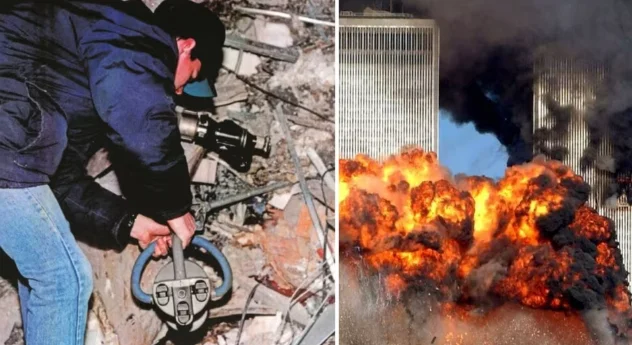
The investigation initially faced a major challenge because the attackers had escaped. But investigators examining the destroyed parking garage found fragments of the vehicle used in the bombing.
Among the debris were pieces carrying part of the van's vehicle identification number, or VIN. Investigators traced the number to a Ryder rental van that had been reported stolen. The vehicle had been rented by Mohammed Salameh, one of the conspirators.
Salameh repeatedly returned to the rental agency seeking the refund of his $400 deposit. On March 4, 1993, FBI agents arrested him when he returned to the agency. His arrest became a major breakthrough in the investigation.
One clue led to another
Investigators searched Salameh's apartment and obtained information that helped them identify other members of the group, including Ahmad Ajaj, Nidal Ayyad and Mahmoud Abouhalima. Investigators also discovered a storage facility containing chemicals that could be used to make explosives.
The investigation eventually identified Ramzi Yousef as the mastermind behind the World Trade Center bombing. Yousef had fled the United States after the attack and remained at large until he was captured in Pakistan in February 1995. He was later extradited to the US and convicted.
The FBI later uncovered evidence of another planned terrorist operation targeting several New York landmarks, including the United Nations building and the Holland and Lincoln tunnels.
A warning before 9/11
The 1993 bombing became an important precursor to the September 11 attacks. Although the two attacks were carried out separately, the plots were connected through Ramzi Yousef's family link to Khalid Sheikh Mohammed, who later became one of the principal planners of 9/11.
The 1993 attack failed to destroy the Twin Towers. Eight years later, on September 11, 2001, the towers were attacked from the air by hijacked passenger planes and eventually collapsed.
The 1993 bombing remains one of the most significant early terrorist attacks against the World Trade Center and demonstrated that the landmark complex had already been targeted years before 9/11.