



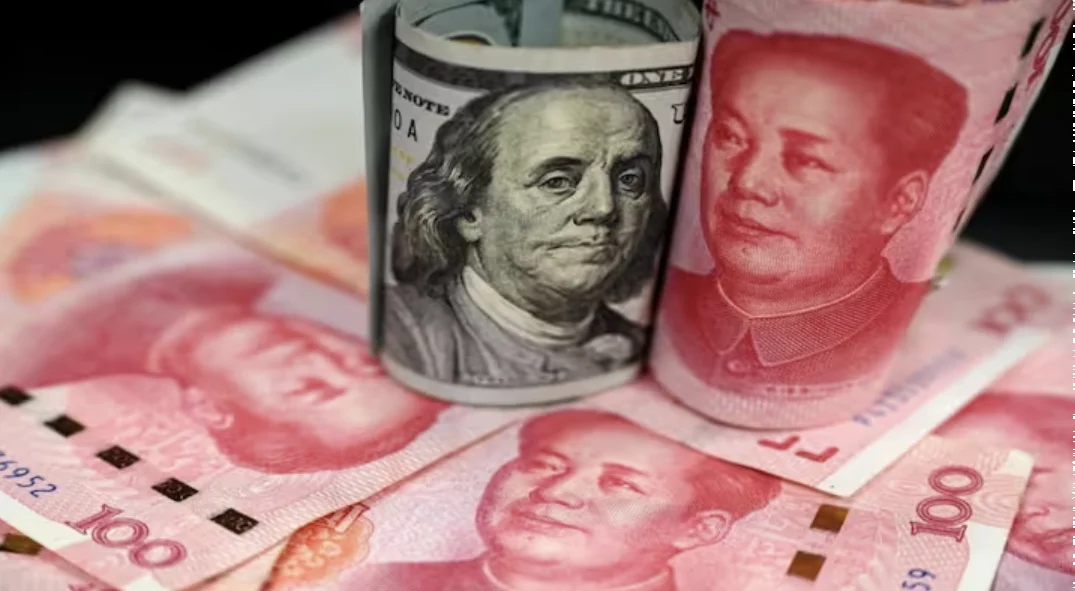
Chinese Banks Raise Dollar Deposit Rates
China's major state-owned banks have kept interest rates on most dollar deposits capped at around 2.8% since 2023. But since June, customers with deposits exceeding $50,000 have reportedly been able to negotiate rates above 3%.
Some smaller Chinese banks and foreign lenders have gone further, offering rates approaching 4% in certain cases. Some lenders have even used social media to attract customers to dollar-denominated deposits.
Why US Treasuries Are Attractive
The higher dollar deposit rates are closely connected to banks' investment strategy. After paying depositors 3% to 4%, banks can potentially earn a spread by investing those dollars in US government securities.
The yield on the 10-year US Treasury has risen by more than 30 basis points since the beginning of June to around 4.76%. Inflation concerns, worries about US government debt and a stronger outlook for US economic growth have contributed to the rise in Treasury yields.
Low Returns in China's Bond Market
Chinese banks are facing a different environment at home. Yields on Chinese government bonds have remained low, reducing the attractiveness of domestic fixed-income investments.
Heavy investment in China's domestic bond market has also attracted increased attention from regulators. This has encouraged banks to look for alternative relatively safe assets offering better returns.
Potential Impact on the Yuan
The strategy could also have an impact on the yuan. China's strong exports and large trade surpluses have increased the supply of dollars within the country.
By offering better returns on dollar deposits, banks can encourage customers to keep their funds in dollars instead of converting them into yuan. That could help reduce some of the upward pressure on the Chinese currency.
The yuan has already gained nearly 9% against the US dollar since the beginning of last year, making the currency one of the stronger performers against the dollar.
China's Dollar Deposits Surge
Foreign-exchange deposits in China reached approximately $1.18 trillion at the end of July, up 17.9% from a year earlier.
During the first seven months of the year, such deposits increased by $121.2 billion. Strong exports and record trade surpluses have contributed to the growing supply of dollars in the Chinese financial system.
Banks Reluctant to Convert Yuan Directly
Chinese banks are reportedly cautious about directly converting yuan into dollars for offshore investment because of increased regulatory scrutiny.
Using customer dollar deposits provides a different route. Banks can attract dollars from depositors and then invest those funds in US Treasuries without having to aggressively convert their own yuan holdings.
Unclear Effect on China's Overall Treasury Holdings
Despite the recent purchases, the scale of the transactions remains unknown. It is also unclear whether the buying is large enough to significantly change China's overall holdings of US government debt.
China's Treasury holdings held through US custodians stood at around $633.4 billion in June, down 13% from a year earlier and at their lowest level since September 2008.
However, the figure may not capture China's full exposure because ownership can be obscured through custody arrangements in financial centres such as Luxembourg and the Cayman Islands.
Conclusion
Chinese banks' latest strategy appears to serve two purposes: finding better returns through US Treasuries while encouraging customers to retain dollar deposits and easing upward pressure on the yuan. The shift highlights how Chinese lenders are responding to the contrasting conditions in the US and Chinese bond markets. However, the exact scale of their Treasury purchases and their broader impact on China's US debt holdings remain uncertain.