Rial Hits Fresh Record Low
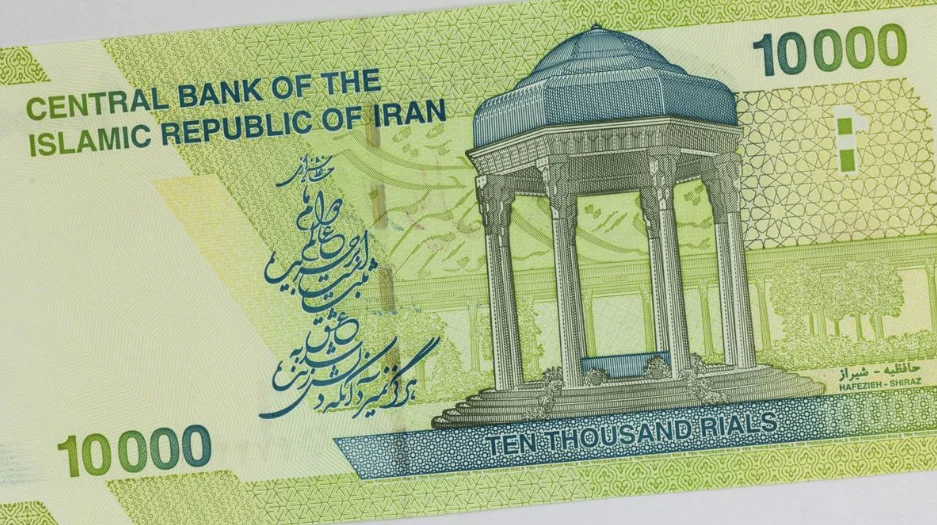
Iran's currency has suffered another sharp fall, reaching a new record low as the United States prepares to announce additional sanctions against Tehran.
The rial traded at approximately 2.02 million to the US dollar on informal markets when trading opened on Monday. Iran's official central bank rate was around 1.5 million rials per dollar, but the informal market rate is widely used for everyday transactions.
Washington Prepares New Sanctions
The United States is preparing a new package of tougher economic measures against Iran.
US Treasury Secretary Scott Bessent has described the coming action as an “economic D-Day”, signalling a major escalation in financial pressure on Tehran.
War Adds to Economic Pressure
The rial had already been under pressure before the United States and Israel attacked Iran on February 28.
Iran was already dealing with double-digit inflation and negative economic growth. Nearly six months of war have further damaged the economy and pushed the currency to repeated record lows.
Prices of Basic Goods Surge
The currency crisis is increasingly affecting ordinary Iranians.
Since the war began, rice prices have risen by about 60%, while beef prices have increased by more than 150%, according to the Associated Press. The decline in the rial has added to the cost of imported goods and contributed to the wider inflationary pressure.
Strait of Hormuz Remains Critical
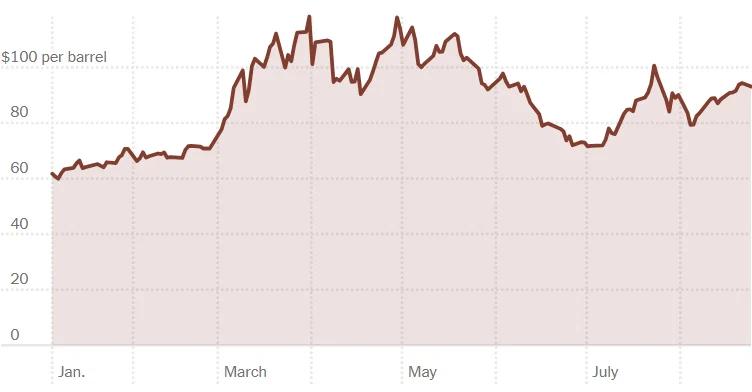
The economic crisis is unfolding alongside continued tensions around the Strait of Hormuz, one of the world's most important oil-shipping routes.
Before the war, roughly one-fifth of globally traded oil passed through the waterway. Iranian attacks and threats have severely disrupted shipping through the strait.
Pressure on Iran's Trading Partners
The new US sanctions could also affect countries and companies that continue doing business with Iran.
Washington is particularly focused on Iran's oil trade, with China remaining a major buyer of Iranian crude. The possibility of sanctions targeting companies involved in those transactions could further complicate Iran's access to international markets.
Broader Economic Crisis
The collapse of the rial reflects a much wider economic crisis.
Inflation, shrinking economic activity, war-related costs, restrictions on oil exports and difficulties accessing international markets are combining to put further pressure on Iran's economy.
The IMF is projecting an economic contraction of more than 5%, according to AP.
Conclusion
Iran's rial has fallen to a new record low as the United States prepares to announce tougher sanctions against Tehran.
The currency's slide to around 2.02 million rials per dollar on the informal market highlights the severity of Iran's economic problems. War, inflation, sanctions and disruptions to oil trade are adding to the pressure on the country's economy.