


US Steps Up Economic Pressure on Iran
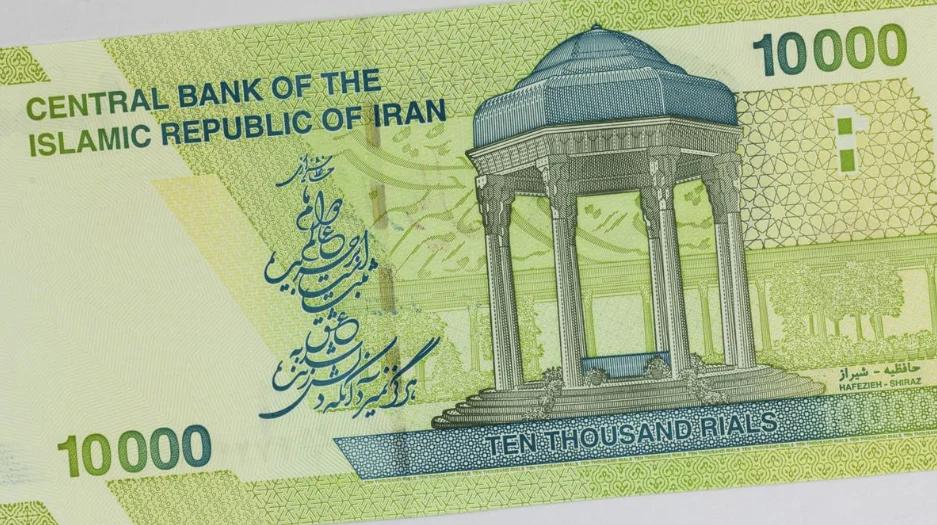
The United States is preparing a new campaign to intensify economic pressure on Iran.
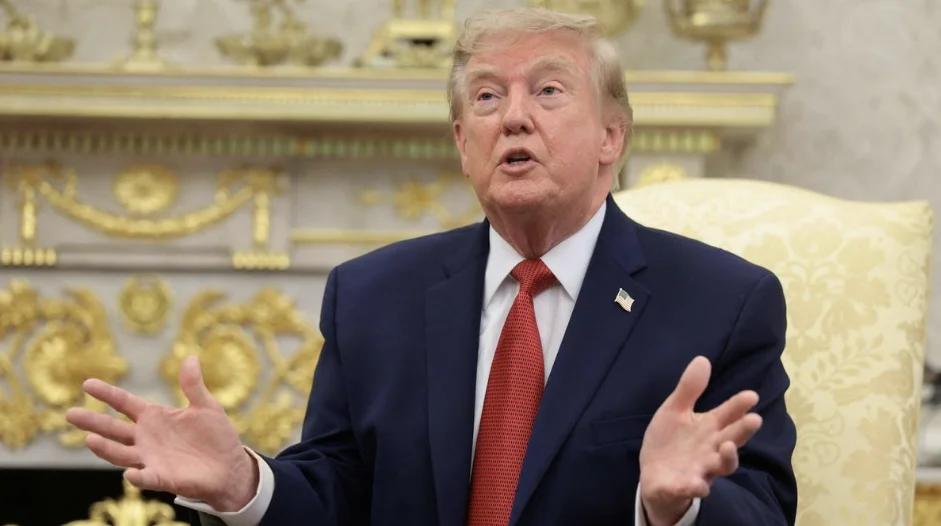
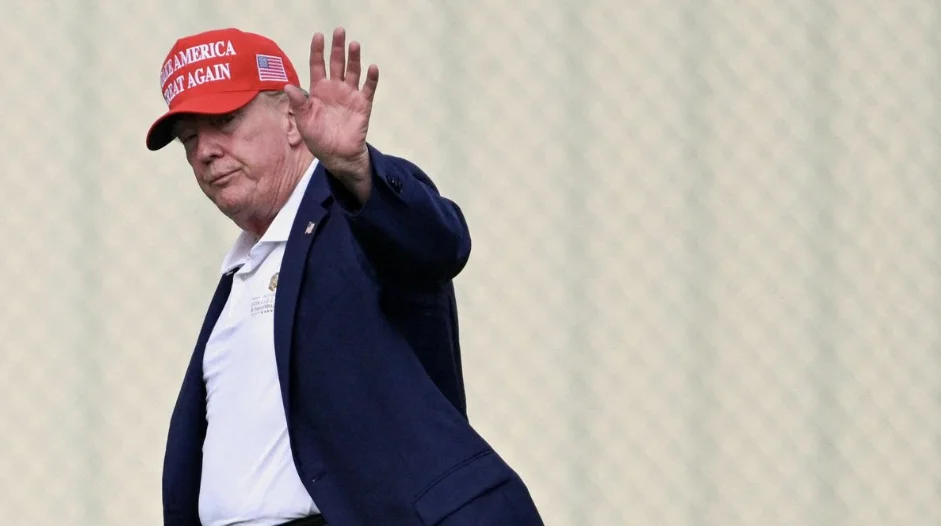
President Donald Trump has described the planned operation as one of the most severe financial campaigns ever directed at Tehran, with the objective of further isolating Iran's economy.
Oil Prices Decline
Oil markets reacted to the latest developments with prices moving lower.
Both major crude contracts fell by around 2.3%, with Brent crude trading at approximately $92 a barrel. West Texas Intermediate also declined by nearly 2%.
Investors Await Bessent's Announcement
US Treasury Secretary Scott Bessent is expected to provide more details about the new economic measures.
Washington has already asked allies and China to support the campaign against Iran. US Vice President JD Vance acknowledged that persuading other countries to participate would be a difficult and sensitive process.
China Becomes a Key Factor
China's role is particularly important because of its economic and trade relationship with Iran.
Bessent indicated that some discussions with Beijing would be better conducted privately, while also urging China to support the US campaign.
Risk of Iranian Retaliation
Markets are also watching how Tehran might respond.
Any disruption to oil supplies from the Gulf or to shipping through the Strait of Hormuz could have major consequences for global energy markets.
That possibility is keeping traders focused on both Washington's next moves and Iran's response.
Asian Markets Under Pressure
Asian stock markets also faced pressure on Monday.
South Korea's KOSPI recorded significant losses, while markets in Tokyo and Shanghai also declined. Concerns over Middle East tensions were accompanied by continued nervousness around technology stocks.
Broader Economic Risks
A prolonged economic confrontation between Washington and Tehran could have consequences well beyond the two countries.
Higher oil prices, disrupted trade, increased shipping costs and renewed inflationary pressure could affect economies that depend heavily on imported energy.
US Monetary Policy Also in Focus
Investors are simultaneously watching the US Federal Reserve's policy outlook.
The annual Jackson Hole gathering of central bankers and economists later this week is expected to provide clues about the future direction of US interest rates.
The recent rise in the 30-year US Treasury yield to levels last seen in 2007 has added to concerns about borrowing costs and inflation.
Impact on India
India is highly dependent on imported crude oil, making developments in the Middle East particularly important for the Indian economy.
A sustained increase in crude prices could put pressure on fuel prices, inflation, the import bill and the rupee.
For now, however, the decline in crude prices is a relatively positive development for India's oil import costs.
Conclusion
Global oil prices fell around 2.3% as investors awaited details of President Donald Trump's new economic campaign against Iran.
Brent crude fell to around $92 a barrel, while Washington urged allies and China to join its effort to isolate Tehran economically.
The key risks ahead are Iran's response, the security of Gulf oil supplies and any disruption to shipping through the Strait of Hormuz.