


Trump Announces 50% Tariff
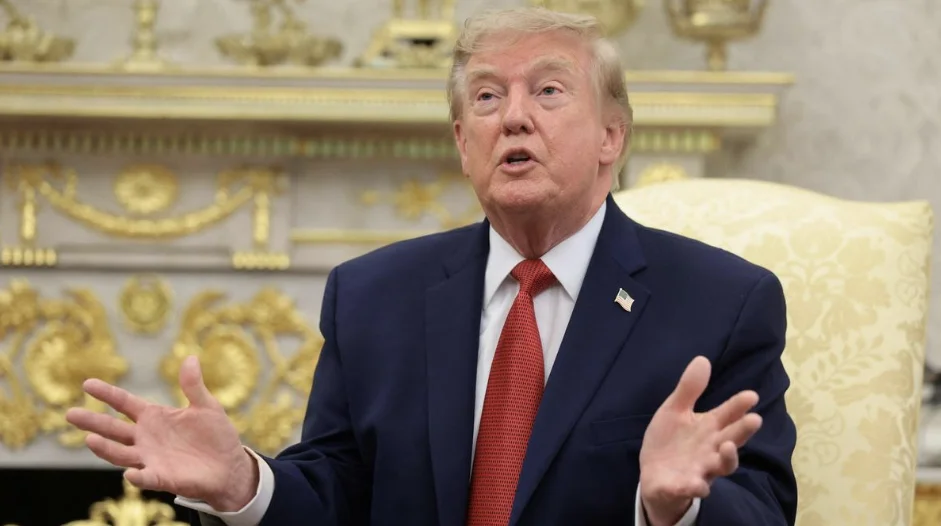
President Donald Trump said on Monday that tariffs on Canadian cars, trucks, automotive parts and steel would be raised to 50% from January 1, 2027.
He said vehicles manufactured in the United States would not be subject to the new tariff.
Trade Talks Collapse
The announcement followed the collapse of trade negotiations between Washington and Ottawa.
The two countries had been attempting to reach a new agreement, but the talks broke down, with both sides blaming the other for the failure.
The US has already imposed 50% tariffs on roughly $20 billion worth of Canadian goods following the breakdown in negotiations.
Current Auto Tariffs
The United States already applies a 25% tariff on Canadian automobiles. Trump's latest threat would double that rate to 50%.
Steel is already subject to a 50% US tariff, although the latest announcement represents a broader escalation of pressure on Canada.
Canada Prepares Retaliation
Canadian Prime Minister Mark Carney has vowed to respond to US trade measures.
Canada is preparing retaliatory tariffs on American products on a “dollar-for-dollar” basis from September 8. Potential targets include US steel, dairy and agricultural products.
Impact on the Auto Industry
The North American automotive industry is deeply integrated.
Vehicles and components routinely cross the US-Canada border during the manufacturing process. A 50% tariff could therefore increase production costs, disrupt supply chains and put upward pressure on vehicle prices.
US-Made Vehicles Exempt
Trump said vehicles manufactured in the United States would not be subject to the new tariff.
This could give US-based production a competitive advantage over vehicles imported from Canada.
However, US automakers also rely on imported components, meaning higher tariffs could still raise their production costs indirectly.
Risk of a Wider Trade War
The latest announcement increases the risk of a prolonged tit-for-tat trade conflict between the two countries.
If Canada responds with equivalent tariffs, manufacturers, exporters, farmers and consumers on both sides of the border could face higher costs and reduced market access.
Market Reaction
Financial markets responded unevenly to Trump's announcement.
Shares of some US auto-parts retailers rose, while automakers including Ford and General Motors came under pressure.
Broader US-Canada Relations
Canada is one of the United States' most important trading partners.
The two economies are closely connected through automotive manufacturing, energy, agriculture, steel and other supply chains.
A prolonged tariff dispute could therefore affect economic activity in both countries.
What Does It Mean for India?
The dispute is unlikely to have an immediate major direct impact on India.
However, disruption to North American automotive supply chains and changes in global steel prices could have indirect effects on international manufacturing and commodity markets.
The escalation also matters because it could influence the broader direction of US trade policy toward other countries.
Conclusion
President Donald Trump has threatened to impose 50% tariffs on Canadian cars, trucks, automotive parts and steel from January 1, 2027.
The announcement follows the collapse of US-Canada trade negotiations and has further escalated tensions between the two close economic partners. Canada is preparing retaliatory tariffs of its own.
The biggest risks are likely to fall on North America's automotive industry, steel producers, supply chains and consumers, as higher tariffs could increase costs and intensify the trade conflict.