What Triggered the Polygraph Tests?
The US military has been using large quantities of advanced weapons during its ongoing conflict with Iran.
Several media reports highlighted concerns over the pace at which Washington was using certain finite munitions, including long-range precision missiles and Patriot air-defence interceptors.
Because information about these stockpiles was reportedly available only to a limited number of officials, the Pentagon launched an investigation to determine who may have disclosed the details to journalists.
Why Use a Lie Detector?
Polygraph examinations, commonly known as lie-detector tests, measure physiological responses while a person answers questions.
In this investigation, officials were reportedly questioned about whether they had provided classified information to members of the media.
The tests were conducted by military investigators rather than the FBI, according to reports.
However, a polygraph result by itself does not establish conclusively that someone has lied. It is generally treated as one investigative tool rather than definitive proof.
Concerns Over US Weapons Stockpiles
The investigation comes amid growing attention to the US military's ability to sustain a prolonged conflict.
Reports have raised concerns about declining stocks of weapons such as long-range missiles and Patriot interceptors. If sustained over a longer period, heavy consumption of such systems could affect Washington's ability to respond simultaneously to other security threats.
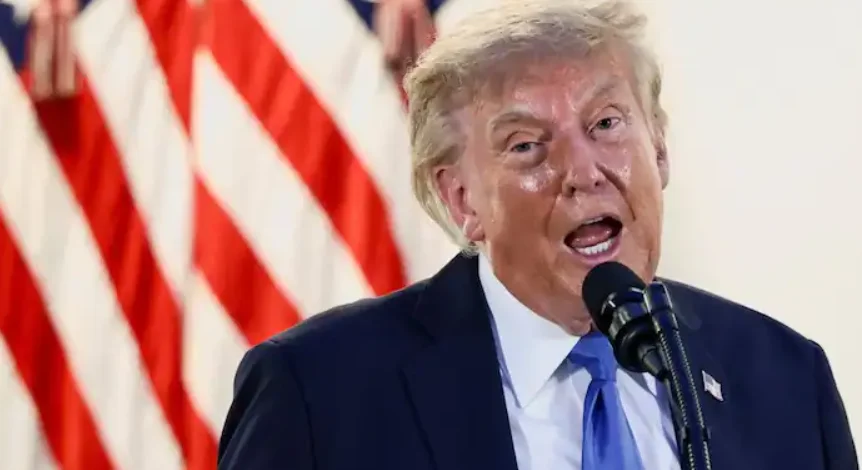
President Donald Trump, however, has rejected reports that the US is running dangerously low on weapons, insisting that the country has substantial military stockpiles.
Was Espionage Also Suspected?
The leak investigation reportedly went beyond simply identifying a source within the military.
Because only a small group of officials had access to the specific munitions information, investigators also considered whether someone with access could potentially be working on behalf of a foreign intelligence service.
There is no public evidence establishing that a foreign spy was responsible for the leaks.
Were All Senior Generals Tested?
No.
The polygraph sweep reportedly involved several dozen military and civilian personnel, but not every senior official was included.
Gen. Dan Caine, chairman of the Joint Chiefs of Staff, was reportedly not among those tested, according to a senior Pentagon official. Some officials from combatant commands were also reportedly subjected to examinations.
Pentagon Tightens Control Over Sensitive Information
The polygraph investigation is part of a broader effort by the Pentagon to clamp down on unauthorised disclosures.
The department has also restricted access to sensitive internal documents following reports that senior military commanders had expressed concerns about the sustainability of prolonged US operations against Iran and the effect on America's broader military readiness.
Pentagon spokesman Sean Parnell has said the department takes unauthorised disclosures of classified national-security information extremely seriously and investigates them accordingly.
What Does the Investigation Mean?
The extraordinary scale of the polygraph operation highlights the sensitivity surrounding America's military readiness during the Iran conflict.
For the Pentagon, the investigation is about protecting classified information and determining whether officials improperly disclosed operational data. For critics, however, the episode raises broader questions about transparency, internal dissent and how the administration is handling sensitive information during a prolonged war.
The investigation also comes at a time when Washington is facing difficult questions over how long its military can sustain high-intensity operations while maintaining readiness for other potential conflicts.