Balen Shah Thanks India and China
The devastating floods and mudslides caused extensive destruction across parts of Nepal. Roads, bridges, settlements and hydropower infrastructure were among the facilities affected by the disaster.
Addressing Parliament, Prime Minister Balen Shah acknowledged the assistance provided by India, China and other countries, saying international support had helped ongoing rescue and relief operations.
Thousands Rescued as Search Operations Continue
Large-scale rescue and relief operations remain underway in the worst-affected areas.
Shah said thousands of people have been rescued, while contact with thousands of others remains to be established. Rescue teams continue to search difficult and remote locations affected by the floods and landslides.
India Provides Specialised Rescue Support
India responded to the disaster with emergency relief supplies as well as specialised assistance for rescue operations.
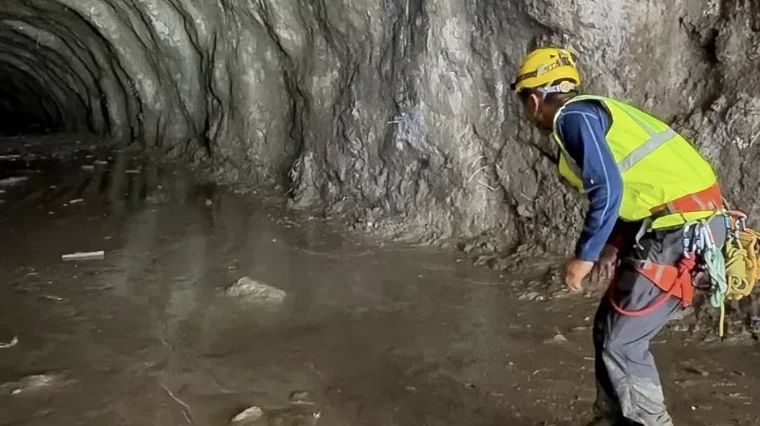
Indian teams have supported efforts around hydropower tunnels and have also been involved in forensic work connected with identifying victims.
Prime Minister Narendra Modi had earlier spoken to Shah and assured Nepal of all possible humanitarian assistance following the disaster.
China Continues Recovery Efforts
China has also continued rescue and recovery operations in areas affected by the disaster.
The reopening of damaged road infrastructure has helped heavy machinery, search teams and specialised equipment reach difficult locations. Such logistical support is particularly important in the mountainous terrain along the Nepal-Tibet region.
Nepal Seeks Climate Compensation
While Shah thanked India and China for their immediate assistance, Nepal’s Foreign Minister Shisir Khanal has raised a broader issue of climate justice.
Khanal argued that Nepal contributes very little to global greenhouse gas emissions but is facing disproportionate consequences from climate change, including glacier melt and increasingly severe disasters in the Himalayan region.
‘Climate Compensation’, Not Just Aid
Nepal wants international assistance to be viewed through the broader framework of climate responsibility rather than charity.
Khanal has argued that countries responsible for significant greenhouse gas emissions should recognise their moral responsibility towards nations suffering severe consequences from climate change.
Climate Risks Intensify in the Himalayas
The disaster has once again highlighted the growing climate risks facing the Himalayan region.
Glacier-related events, flash floods and landslides can pose serious threats to mountain communities and critical infrastructure. The latest disaster has reinforced the need for stronger early-warning systems, disaster preparedness and international cooperation.
Implications for India-Nepal Relations
Shah’s public appreciation of India’s rapid assistance highlights the importance of the two countries’ close relationship during times of crisis.
At the same time, Nepal’s demand for climate compensation could introduce another important issue into its diplomatic engagement with India, China and the United States.
Conclusion
As Nepal continues to recover from one of its most devastating recent natural disasters, Prime Minister Balen Shah has thanked India and China for their assistance in rescue and relief operations.
However, Nepal is also seeking a longer-term response to the climate-related risks facing the Himalayan region. Its call for climate compensation, rather than conventional humanitarian aid alone, could become an increasingly important issue in international climate diplomacy.