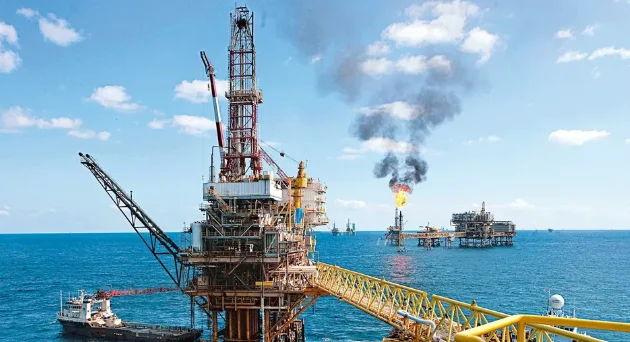
Global crude oil prices are once again approaching the psychologically important $100-per-barrel level as worsening tensions in the Middle East raise concerns about the security of global energy supplies.
Brent crude futures climbed sharply on Tuesday, reaching around $99 a barrel, while WTI crude rose above $94. The latest rally came after attacks on Saudi energy facilities and growing fears that the wider Middle East conflict could continue for longer than previously expected.
Why are oil prices rising?
One of the biggest factors is the threat of further disruption to oil production and transportation in the Gulf region.
Iran-backed Houthi forces have attacked energy and other infrastructure in Saudi Arabia, while Tehran has warned of possible retaliation against further US actions. The developments have increased concerns that the conflict could spread and affect major oil-producing and transit routes.
Another major concern is the Strait of Hormuz, through which a significant share of the world's oil traditionally passes. Although oil continues to move through the waterway, flows remain substantially below pre-conflict levels. Reuters reported that alternative export routes and increased production outside the region are helping prevent an even sharper price spike.
Why is Brent approaching $100?
Markets are adding a geopolitical risk premium to crude prices. Traders are increasingly concerned that prolonged fighting could reduce supplies from the Middle East at a time when transportation routes are already under pressure.
Brent had briefly moved above $98 earlier this week and has gained more than 30% since the conflict began, according to market reports. However, prices remain below the approximately $126 peak reached earlier in 2026.
The market is also being supported by stronger Chinese purchases of crude from suppliers outside the Middle East, as refiners seek to secure alternative supplies amid uncertainty over regional shipments.
What does this mean for India?
India is particularly exposed to a sustained increase in crude prices because it imports a large share of its oil requirements.
Higher crude prices can increase the country's import bill and put pressure on the rupee, inflation and fuel marketing margins. Indian shares also came under pressure on Tuesday as investors reacted to the jump in oil prices and the broader geopolitical risks.
State-run oil marketing companies are already facing pressure on fuel marketing margins as crude prices rise, even though domestic petrol and diesel prices have remained relatively stable.
Could oil cross $100?
A sustained move above $100 will depend largely on how the conflict develops and whether oil flows through the Strait of Hormuz are disrupted further.
For now, substantial volumes of crude continue to move through the waterway, while producers outside the Middle East are increasing output. These factors are helping limit the immediate upside in prices. However, a major disruption to Gulf production or shipping could quickly push prices beyond $100.
With geopolitical tensions still elevated, oil markets are likely to remain highly volatile in the near term.