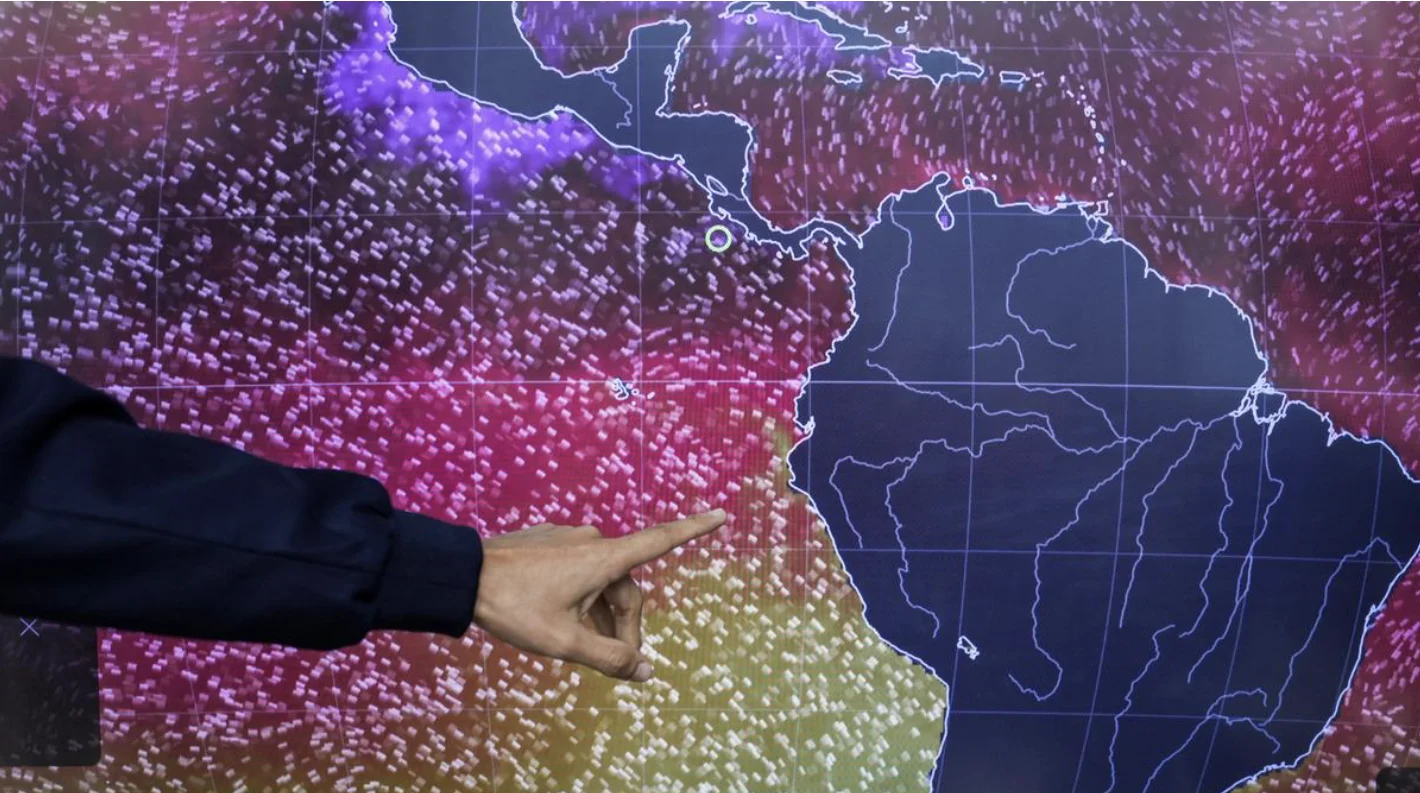
Warning Over a Powerful El Niño
Global weather conditions could face another major test if a strong El Niño develops.
UK forecasts indicate the possibility of a significant El Niño event, raising concerns that global temperatures could reach or exceed previous records.
El Niño is known to influence weather patterns far beyond the Pacific region.
What Is El Niño?
El Niño is a climate phenomenon associated with unusually warm sea-surface temperatures in the central and eastern tropical Pacific Ocean.
These changes affect atmospheric circulation and can alter weather patterns across different parts of the world.
The effects can include changes in temperatures, rainfall, drought conditions and storm activity.
Impact on Global Temperatures
El Niño can contribute to higher global average temperatures.
This is particularly significant because long-term climate change has already raised global temperatures.
If a strong El Niño develops against this warmer background, the additional heat could push annual global temperatures to new highs.
Risk of Record Heat
Several parts of the world have experienced extreme heat in recent years.
Heatwaves, unusually warm oceans and wildfires have highlighted the growing risks associated with a warming climate.
A strong El Niño could intensify some of these conditions.
Changes in Weather Patterns
El Niño does not affect temperature alone.
It can alter rainfall patterns across different regions, bringing heavier rainfall and flooding to some areas while increasing the risk of drought in others.
These changes can have consequences for agriculture, water supplies and food security.
Importance of Ocean Temperatures
Sea-surface temperatures in the tropical Pacific are among the key indicators used to assess El Niño conditions.
Heat stored in the ocean interacts with the atmosphere and can influence global temperature patterns.
Climate scientists therefore closely monitor ocean temperatures and atmospheric conditions to assess the development and strength of El Niño.
Interaction With Climate Change
The potential impact of El Niño must be considered against the backdrop of human-driven climate change.
Greenhouse gas emissions have already raised global temperatures substantially compared with pre-industrial levels.
A strong El Niño occurring in this warmer climate could produce particularly high temperatures.
Impact on Agriculture
Changes in rainfall can create challenges for farmers.
Reduced rainfall in some regions could affect crop production and increase water stress.
Elsewhere, excessive rainfall and flooding could damage crops and infrastructure.
Health Risks
Extreme heat can also create significant health risks.
Long periods of high temperatures can particularly affect older people, children and outdoor workers.
Public-health authorities may need to strengthen heat-warning systems and prepare emergency responses during periods of extreme heat.
Need for Preparedness
Early forecasts of El Niño can help governments and communities prepare for possible impacts.
Water management, agricultural planning, heatwave preparedness and disaster-response measures can all benefit from advance climate information.
Conclusion
The possibility of a powerful El Niño has raised concerns that global temperatures could reach new records, adding to the effects of ongoing climate change.
The phenomenon can influence not only temperatures but also rainfall, agriculture, water resources and public health.
Continued monitoring and early preparation will be essential to manage the potential impacts of a strong El Niño