Rising Tensions Across West Asia
The continuing confrontation between the United States and Iran has increased concerns over security across West Asia.
With Washington maintaining pressure on Tehran, questions are growing over whether the conflict could widen further.
Military developments, political warnings and diplomatic efforts are unfolding simultaneously as the situation continues to change.
Trump's Position on Iran
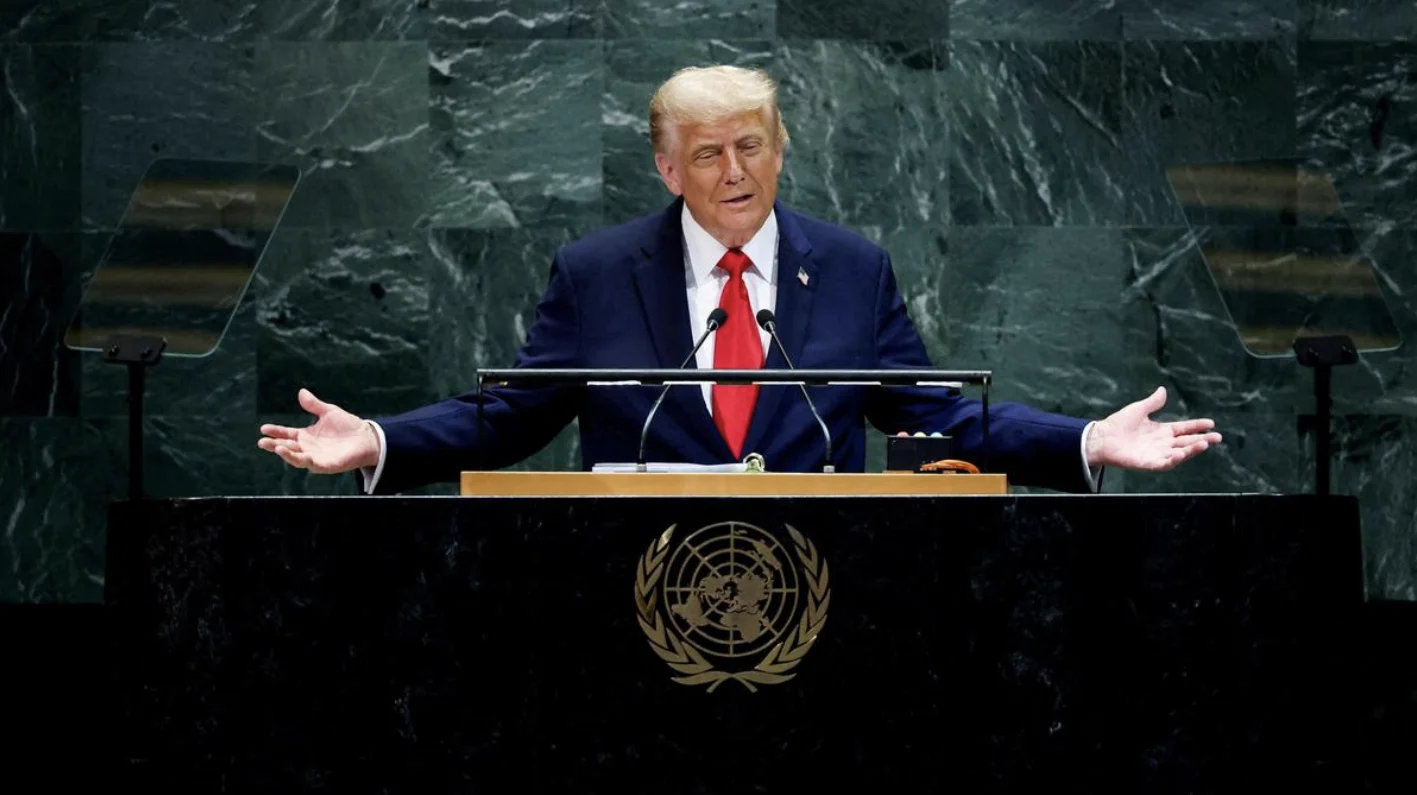
US President Donald Trump has maintained a tough approach towards Iran.
Washington's options for increasing pressure on Tehran include economic, diplomatic and potentially military measures.
The next decisions taken by the Trump administration could have a major influence on the direction of the conflict.
Why the Strait of Hormuz Matters
The Strait of Hormuz has become one of the most important elements of the crisis.
The waterway is a major route for energy exports from the Persian Gulf to international markets.
Any serious disruption to shipping through the strait could have an immediate impact on global energy markets.
Impact on Oil Prices
A further escalation in the region could push international oil prices higher.
Higher energy and transportation costs could increase inflationary pressures in economies around the world.
Countries heavily dependent on imported energy would face particular challenges.
Threat to Global Trade
A deterioration in maritime security around the Strait of Hormuz could affect more than oil shipments.
Higher insurance costs, longer alternative shipping routes and delays in cargo movement could disrupt international trade.
Such disruptions could place additional pressure on global supply chains.
Concerns Among Regional Countries
Countries across West Asia are closely monitoring the situation.
Preventing the conflict from spreading into their territories, protecting energy supplies and maintaining maritime security have become major priorities.
Any further escalation could have consequences well beyond the immediate conflict zone.
Importance of Diplomacy
As military tensions increase, diplomatic efforts could become increasingly important.
Direct or indirect communication between Washington and Tehran could help create an opportunity to reduce tensions.
Regional powers and international organisations may also seek ways to prevent the conflict from widening.
Global Economic Consequences
A prolonged conflict could have significant consequences for the global economy.
Higher energy prices, increased transportation costs and greater uncertainty among investors could weigh on financial markets.
Developing economies that depend heavily on energy imports could face particularly strong pressures.
Implications for India
India is also closely watching developments in West Asia.
Energy prices, the safety of Indian nationals, maritime trade and the security of oil supplies are all important concerns for New Delhi.
Any disruption to shipping through the Strait of Hormuz could have implications for India's energy imports as well.
What Comes Next
The next moves by the United States and Iran will be crucial as the situation continues to evolve.
Whether the confrontation expands further or diplomatic efforts succeed in reducing tensions will depend on developments in the coming days.
The security of the Strait of Hormuz, energy supplies and the positions taken by regional countries will remain key areas of international attention.
Conclusion
Growing tensions between the United States and Iran have intensified concerns over regional security and the future of the Strait of Hormuz.
A disruption to shipping through the key waterway could affect oil prices, global trade, supply chains and inflation.
Alongside military developments, diplomatic efforts and regional security measures are likely to remain crucial in determining whether the conflict escalates further or moves towards de-escalation.