Syria Looks for a Hormuz Alternative
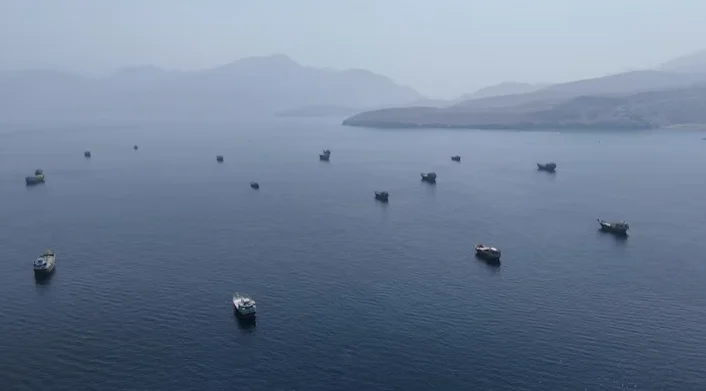
The Strait of Hormuz remains one of the world’s most important energy chokepoints. Disruptions caused by the Iran conflict have pushed oil exporters and importers to explore alternative transportation routes.
Syria is seeking to capitalise on the situation by positioning itself as a land-based corridor linking Iraqi oil supplies to Mediterranean markets.
Oil Trucks Already Using the Route
The proposed alternative is already being tested on a smaller scale. Oil trucks are carrying crude from southern Iraq across Syria to Baniyas on the Mediterranean coast.
Reports indicate that around 5,000 oil trucks a day are now travelling between southern Iraq and Baniyas. The route began as an experiment in April after disruptions affected oil shipments through Hormuz.
Once the crude reaches Baniyas, it can be transferred to tankers and shipped into international markets through the Mediterranean.
Proposed 1,000-Mile Pipeline
The longer-term plan involves constructing a roughly 1,000-mile pipeline linking Iraq’s oil-producing region around Basra with Baniyas in Syria.
The proposed project could cost approximately $5.7 billion and eventually transport as much as 2 million barrels of crude per day, according to reports.
However, the pipeline cannot provide an immediate solution. Construction is expected to take at least two and a half years, meaning road transport and other routes will remain important in the near term.
Trump Supports Syria’s Proposal
US President Donald Trump has welcomed Syria’s attempt to develop an alternative energy corridor.
Trump highlighted Syria’s emerging role as a potential alternative to Hormuz, while reports have indicated that US-backed international involvement could support the technical and financial development of the proposed project. Chevron has also been linked to the wider Iraqi oil arrangements.
A New Economic Opportunity for Syria
For Syria, the proposal represents more than an energy project. After years of war, sanctions and economic isolation, Damascus is seeking to use its location to attract trade and investment.
Its access to the Mediterranean gives Syria a strategic advantage as it attempts to develop into a regional transportation and energy hub.
Potential Interest From Gulf States
The proposed corridor could eventually serve interests beyond Iraq. Syrian officials have indicated that other Gulf countries could potentially use the route to reach Mediterranean markets.
Qatar has reportedly shown interest in expanding energy infrastructure through Syria, while Kuwait and Bahrain could potentially benefit from an Iraq-Syria route towards the Mediterranean.
Can It Replace Hormuz?
The biggest limitation is capacity. The Strait of Hormuz handles enormous volumes of seaborne energy shipments under normal conditions. Even a large Iraq-Syria pipeline would not be capable of completely replacing the waterway.
The project also faces significant challenges, including financing, security, infrastructure reconstruction and political stability.
Growing Need for Alternative Routes
The disruption around Hormuz has encouraged major oil-importing countries, including India, Japan and South Korea, to diversify their supply sources and accept longer or more expensive routes.
If Syria succeeds in developing its proposed corridor, it could therefore become part of a broader regional effort to reduce dependence on vulnerable maritime chokepoints.
Conclusion
The crisis around the Strait of Hormuz has created an unexpected economic opportunity for Syria. Oil trucks are already moving Iraqi crude towards Baniyas, while the proposed pipeline could eventually turn the route into a major regional energy corridor.
Trump’s backing could help attract international attention and investment. However, the project faces significant financial, security and infrastructure challenges, and it is unlikely to replace the Strait of Hormuz completely in the near term.