US President Donald Trump has unveiled an ambitious new oil agreement with Venezuela, describing it as the “biggest oil deal in world history.” The announcement promises greater US access to Venezuela’s enormous crude reserves, but significant questions remain over how quickly those reserves can actually be developed and delivered to global markets.
Trump said the United States had secured majority control of more than 65 billion barrels of Venezuela’s proven oil reserves through a partnership involving private companies. He also claimed the arrangement would increase US oil supplies and eventually help bring down gasoline prices for American consumers.
What does the agreement involve?
According to officials familiar with the arrangement, the proposed venture would cover 17 strategic oil fields in Venezuela. A new private company would be established with an unnamed operator, while the United States would have an effective 55% share of the venture’s output, including ownership and rights to purchase oil at cost.
Venezuelan interim President Delcy Rodríguez said the agreement could attract more than $100 billion in investment and generate over $209 billion in tax revenue for the Venezuelan state.
The proposed investments are intended to modernise Venezuela’s battered oil infrastructure and increase production from fields that have suffered years of underinvestment and operational decline.
Why can’t the oil reach markets immediately?
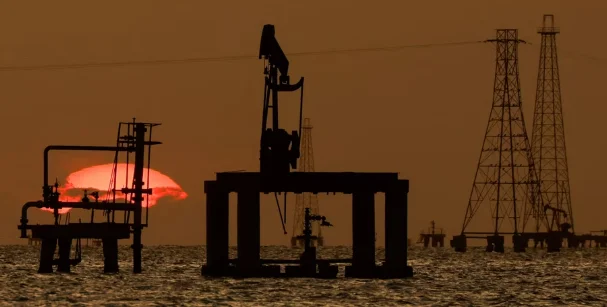
Venezuela possesses an estimated 303 billion barrels of proven crude reserves, the largest such reserve base in the world. Yet the country produces only around 1.25 million barrels of oil per day, far below its potential.
The main obstacle is not simply the availability of oil underground. Years of underinvestment, sanctions, mismanagement and deteriorating infrastructure have weakened Venezuela’s production capacity.
Experts say repairing wells, pipelines, ports, refineries and other infrastructure would require substantial investment and could take years. As a result, the new agreement is unlikely to produce an immediate surge in Venezuelan oil exports or sharply reduce US fuel prices in the short term.
Legal and political hurdles
The proposed arrangement also faces legal questions inside Venezuela. The country's constitution and hydrocarbons laws have historically given the state a central role in controlling the oil industry.
Analysts say the precise legal basis for granting long-term control of oil fields to a US-linked private venture remains unclear. The structure of the agreement, the companies involved and the exact mechanism through which US control would be exercised have not been fully disclosed.
The reported plan could involve 100-year concessions covering the 17 fields, adding another layer of scrutiny over its legal and political sustainability.
A strategic deal for Washington
The agreement comes at a time when the US is facing pressure over elevated fuel prices and disruptions to global energy supplies.
Trump has argued that greater access to Venezuelan crude could strengthen American energy security and help lower gasoline prices. US officials have also indicated that oil purchased from the venture could be used to replenish the US Strategic Petroleum Reserve and meet military energy requirements.
For Venezuela, the deal offers the prospect of billions of dollars in foreign investment and a potential revival of an oil industry that has struggled for years.
But whether the agreement can translate Venezuela's enormous underground reserves into actual barrels flowing to consumers remains the biggest question.