


Trump Issues Fresh Warning to the Fed
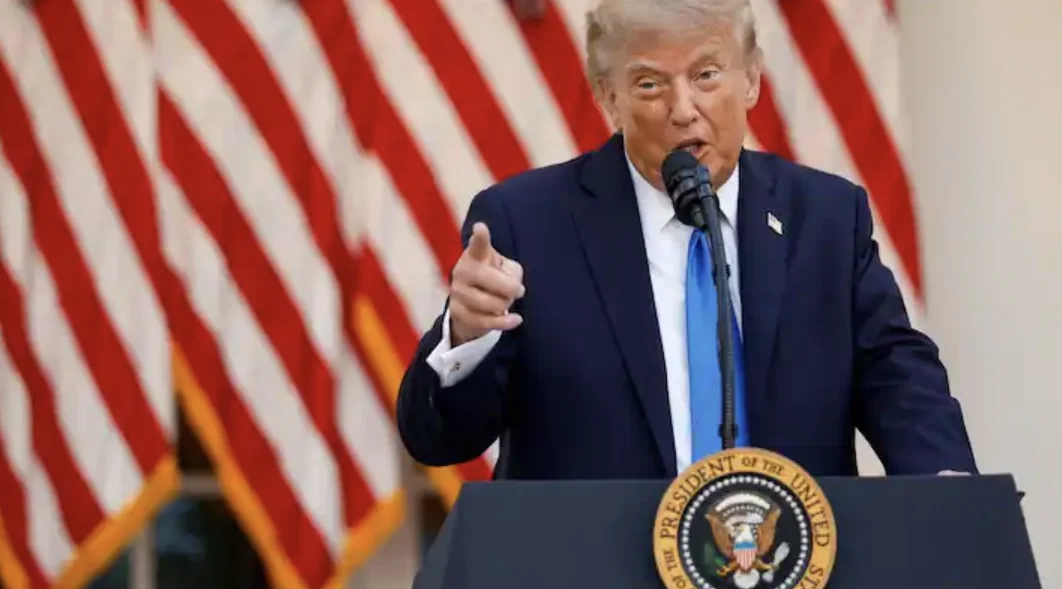
Trump said the United States should have the lowest interest rates in the world, arguing that the country's strong credit position justified cheaper borrowing costs.
He then linked his demand for lower rates to US trade policy, warning that Washington could stop trading with countries that maintain trade surpluses with the United States.
Strong Jobs Data Complicates the Rate Debate
Trump's comments came on the same day as the release of the August employment report.
US employers added 162,000 jobs in August, far above the roughly 55,000 jobs expected by markets. The unemployment rate remained at 4.1%.
The strong report could make an immediate rate cut more difficult to justify. A resilient labour market can contribute to continued inflationary pressure, giving central bankers another reason to remain cautious about easing monetary policy.
Markets Raise Rate-Hike Expectations
The stronger employment numbers pushed financial markets to increase expectations for a potential Federal Reserve rate hike later in September.
That outlook is directly at odds with Trump's preference for lower borrowing costs. The Fed must weigh employment, inflation, financial conditions, government debt and other economic indicators before making its policy decision.
Trade Deficits Remain a Trump Priority
Trump has repeatedly criticised America's trade deficits with other countries. His latest comments suggest he is willing to consider access to the US market as leverage in broader economic policy.
The United States recorded a total goods and services trade deficit of $88.6 billion in July, according to government data, with the goods deficit accounting for the bulk of the imbalance.
Renewed Questions Over Fed Independence
Trump's repeated calls for lower interest rates also highlight the continuing debate over the independence of the Federal Reserve.
The Fed is expected to make monetary-policy decisions based on economic conditions rather than political demands. Trump, however, has repeatedly argued that borrowing costs are too high and has urged the central bank's leadership to act more aggressively.
What Would a Trade Halt Mean?
A decision to completely halt trade with countries running surpluses against the United States would have potentially significant consequences for global commerce.
US businesses, consumers, exporters and importers could all be affected, while international supply chains could face disruption. However, Trump has not announced a specific plan or timetable for such a move, making the latest comments primarily a warning and policy threat at this stage.
Conclusion
Donald Trump has again demanded that the Federal Reserve lower interest rates, warning that the United States could stop trading with countries with which it runs trade deficits if rates are not cut. His comments come at a challenging moment for the Fed, as stronger-than-expected employment data is increasing expectations for tighter rather than easier monetary policy. The clash highlights growing tensions between the administration's preference for cheaper borrowing and the Fed's independent approach to monetary policy.