


Apache Helicopters Under Scrutiny
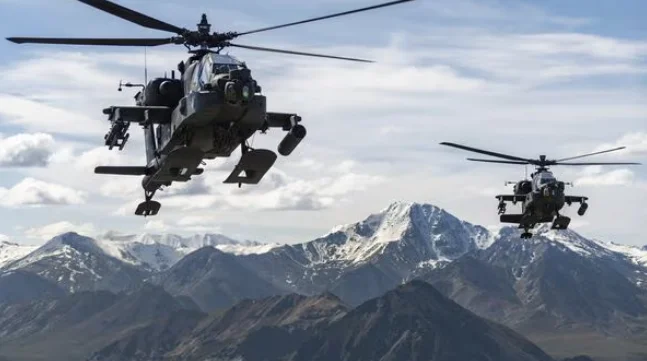
The AH-64 Apache is one of the US Army's principal attack helicopters.
It is designed to operate in difficult conditions, including at night and in challenging weather, and is equipped with advanced sensors, weapons and defensive systems.
However, a series of recent accidents has renewed debate over the aircraft's safety and reliability.
Ageing Fleet a Major Challenge
Some Apache helicopters have been in service for decades.
Military helicopters operate under significantly more demanding conditions than most commercial aircraft. Low-level flying, rapid manoeuvres, combat training and heavy weapons loads place considerable stress on airframes, engines and other components.
As aircraft age, maintaining them in operational condition becomes increasingly complex.
Maintenance and Parts Issues
Keeping older Apache helicopters operational requires continued investment in spare parts, maintenance personnel, engines and critical systems.
Shortages of maintenance staff or delays in obtaining replacement components can place additional pressure on military aviation units.
However, ageing aircraft alone cannot be identified as the cause of every accident. Each incident requires a separate investigation.
Training Conditions Also Matter
Apache pilots undergo intensive training to operate in complex environments.
Night operations, low-altitude flying, poor weather and demanding combat exercises can all increase aviation risks.
Therefore, crash rates need to be assessed alongside factors such as flight hours, training intensity, weather conditions, aircraft condition and crew circumstances.
Apache Remains Important to the US Army
Despite the concerns, the Apache remains a major component of US Army aviation.
The helicopter provides armed reconnaissance, close air support and the ability to engage ground targets.
Any reduction in aircraft availability could therefore affect not only aviation safety but also the Army's operational readiness.
Moving Towards New Aviation Technologies
The US Army is also developing a future aviation structure that combines crewed and uncrewed systems.
That transition raises questions about how long existing Apache helicopters should remain in service, how extensively they should be upgraded and how they can operate alongside newer technologies.
Every Crash Requires Investigation
The cause of each Apache accident must be established through an official aviation-safety investigation.
Investigators examine possible factors including mechanical failure, maintenance issues, human error, weather and operational circumstances.
Consequently, it would be premature to attribute a series of accidents to a single cause without the findings of individual investigations.
Why It Matters to India
The issue is also relevant to India because the Indian military operates AH-64E Apache helicopters acquired from the United States.
Developments involving the US Apache fleet — including maintenance, upgrades, safety procedures and future technology — can therefore provide useful lessons for India's own Apache fleet management.
Conclusion
The increase in Apache helicopter accidents cannot necessarily be attributed to one factor.
Ageing aircraft, demanding operational use, maintenance requirements, intensive training and technical problems can all influence aviation safety.
Official investigations remain essential to determine the cause of individual crashes. As the US Army manages its ageing Apache fleet while developing next-generation aviation capabilities, maintaining aircraft safety and operational readiness will remain a significant challenge.