The United States has begun consultations with NATO allies over the future of its military presence in Europe as Washington conducts a six-month review of its force posture on the continent.
The review is focused on how US forces should be positioned in Europe and how European allies can take greater responsibility for their own conventional defence.
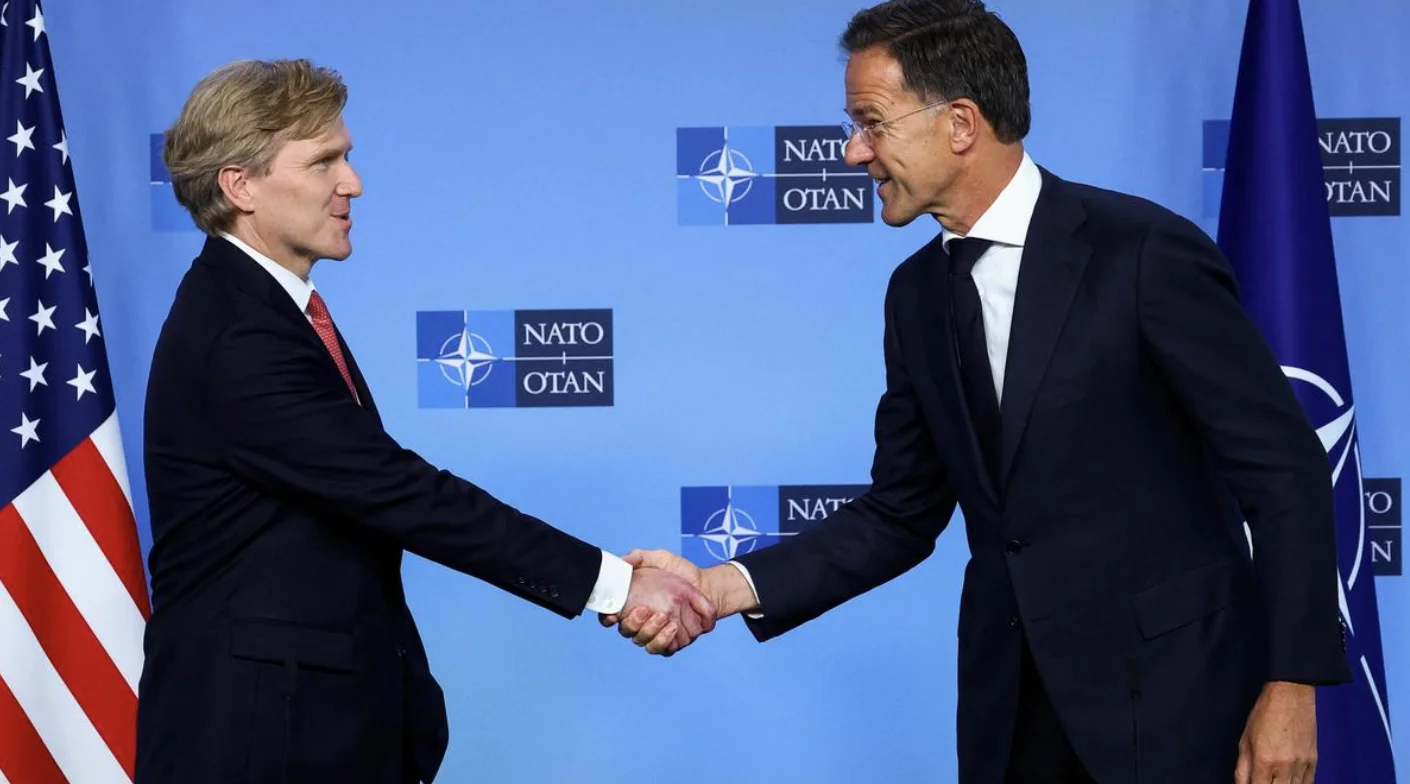
US Under Secretary of Defense for Policy Elbridge Colby travelled to NATO headquarters in Brussels on Thursday for discussions with allied officials.
He asked European governments to explain how they are strengthening their military capabilities and preparing to assume a larger share of responsibility for defending the continent.
Washington has already sent a questionnaire to European allies seeking written details about their defence efforts.
The request comes as European NATO members significantly increase military spending following years of pressure from US President Donald Trump to spend more on defence.
The US review has raised concerns among European governments that Washington could reduce its military footprint.
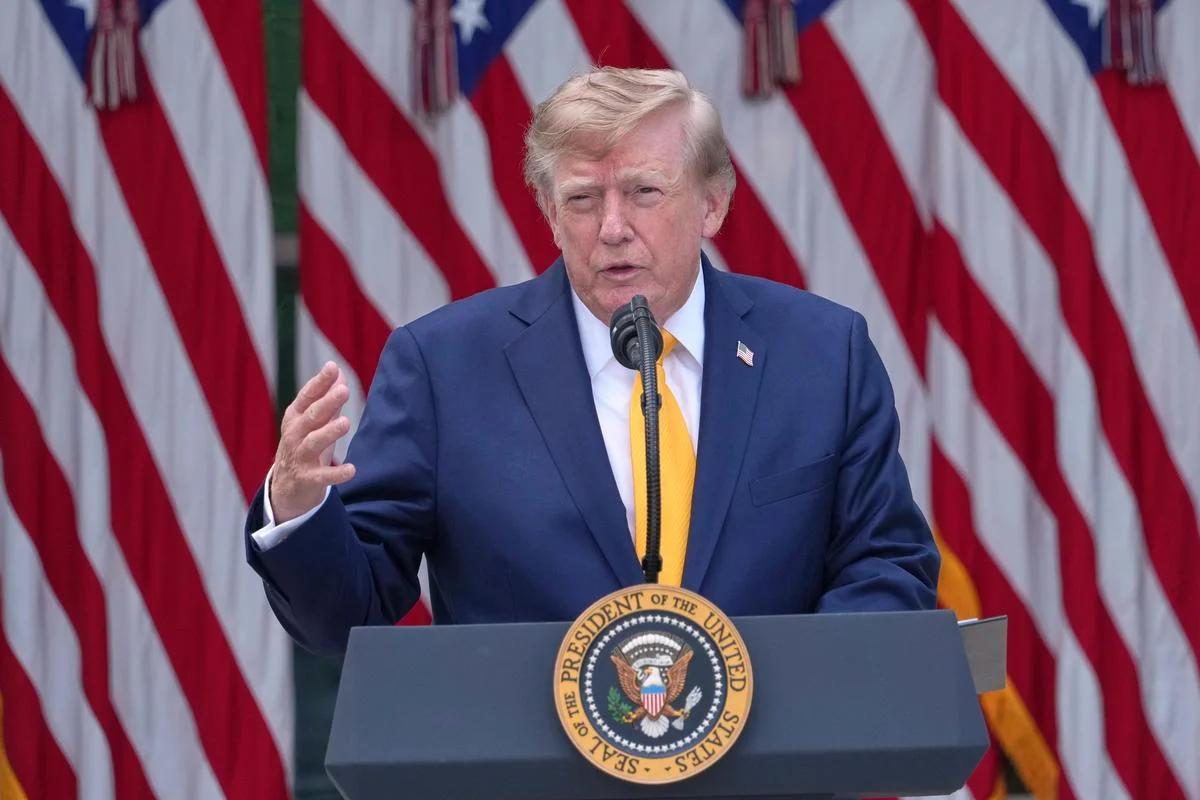
The Trump administration has increasingly signalled that Europe should become more responsible for its own conventional defence while the United States focuses greater attention on other strategic challenges, particularly China.
Colby's discussions in Brussels were therefore closely watched by European allies.
He described the talks as a practical discussion about how the United States and Europe can move forward together while Europe assumes a larger role in its own defence.
The United States wants to accelerate the process rather than simply wait for European defence capabilities to develop gradually.
The review is not limited to the number of US troops stationed in Europe.
Washington is also examining issues such as access to military bases, basing arrangements and overflight rights.
Those arrangements are essential to the ability of US forces to operate across Europe during a crisis.
The issue became particularly sensitive during the war with Iran, when some European governments placed restrictions on the use of their bases by US forces.
That experience contributed to frustration in Washington and became one factor behind the broader review.
The United States now wants to understand how those arrangements can work in the future.
The question is not simply whether American forces remain in Europe, but also whether they will have reliable access to the infrastructure and airspace needed to operate effectively.
NATO Secretary General Mark Rutte has insisted that European allies are already making progress.
European countries are increasing defence budgets and acquiring additional military capabilities, he said.
At the same time, Rutte acknowledged that much more remains to be done.
European NATO members agreed in 2025 to increase defence and security-related spending to 5 percent of GDP by 2035.
That represents a major increase in military expenditure across the alliance.
But Washington is looking for more than higher budgets.
European governments must demonstrate that additional spending is being converted into usable military capabilities, including air defence, long-range weapons, military mobility, intelligence and other systems required for modern warfare.
That transformation will take time.
Buying weapons and equipment does not immediately create deployable military capacity.
Air-defence systems, transport aircraft, long-range missiles and other strategic capabilities can take years to manufacture and integrate into military structures.
This creates a potential gap between the speed at which the United States could adjust its military posture and the speed at which Europe can develop replacement capabilities.
The Pentagon currently has about 80,000 US troops stationed in Europe.
Washington has already told allies that it is reducing the number of military assets it makes available for NATO defence plans.
The United States has also made changes to its plans involving Germany.
In May, Washington announced that it would withdraw 5,000 US troops from Germany.
Trump later said the same number of troops would instead be deployed to neighbouring Poland, reducing some immediate concerns about the overall number of American troops in the region.
Nevertheless, uncertainty remains over the longer-term US commitment.
The issue is particularly important because Europe continues to rely heavily on American capabilities that are difficult to replace quickly.
These include strategic intelligence, aerial refuelling, military transport, integrated command systems and certain forms of air and missile defence.
If the United States reduces its presence, European countries will need to fill those gaps.
That could require much more than simply increasing troop numbers.
It could involve major investment in intelligence systems, satellites, air defence, logistics, military transport and command infrastructure.
European governments are already increasing spending, but building these capabilities will take time.
The US review therefore places pressure on European allies to demonstrate that their spending plans are translating into concrete military strength.
For Washington, the issue is also about strategic priorities.
The United States faces growing competition with China and wants greater flexibility to allocate military resources to the Indo-Pacific and other regions.
A stronger European defence capability could allow Washington to reduce some of its conventional military responsibilities on the continent without necessarily abandoning NATO.
That would represent a significant shift in the alliance's traditional division of labour.
For decades, European security has depended heavily on US military power.
The current discussions suggest that Washington wants Europe to take a much larger share of that responsibility.
European governments are aware of the pressure.
They also face their own security concerns, particularly regarding Russia.
The possibility of future Russian military action against NATO members has made European defence a more urgent political issue.
As a result, increased defence spending has gained broader support across Europe.
The challenge is turning that political commitment into coordinated military capability.
European countries have different procurement systems, defence industries and military priorities.
Coordination can therefore be difficult.
The European Union can help finance some defence programmes, but NATO remains the central military framework for collective defence, and several important contributors—including the United Kingdom, Norway and Turkey—are outside the EU.
This means the European response will have to involve both NATO and individual national governments.
The United States is also likely to remain an important part of Europe's security architecture even if its conventional military presence declines.
Washington is expected to retain major strategic capabilities, including its nuclear deterrent.
The question is how much conventional military responsibility will shift to European allies.
That is why the force review has become so important.
It could determine where American forces are stationed, which capabilities they provide to NATO and how much Europe will be expected to contribute.
The review could also influence future decisions about US military bases.
Access to European bases remains essential for American operations, particularly during crises.
Washington's concerns over restrictions during the Iran war have therefore made basing arrangements a significant part of the discussion.
For European governments, the talks are an opportunity to demonstrate that they are responding to US demands.
They want to show that increased defence spending is translating into real capabilities.
At the same time, they have an interest in maintaining a strong US commitment to NATO because American capabilities remain difficult to replace.
This creates a delicate balance.
Europe wants greater strategic autonomy, but it also wants continued American support.
The United States wants Europe to do more, but it also has an interest in maintaining a strong NATO alliance.
The current force review is therefore less about an immediate US withdrawal and more about negotiating a new balance of responsibilities.
There has been no final decision to remove US forces from Europe entirely.
Instead, Washington is gathering information from allies and examining different options for its future military posture.
The next several months will be important.
European governments will need to demonstrate that their increased defence spending is producing tangible results.
Washington will then have to decide how much of its existing military presence is still necessary to protect US interests and maintain NATO's deterrence.
The outcome could affect thousands of troops as well as major military infrastructure across the continent.
It could also change the way NATO distributes responsibilities between the United States and Europe.
For now, the message from Washington is clear: Europe is expected to take greater responsibility for its own conventional defence.
The message from NATO is equally clear: European allies are increasing their efforts, but the transition will take time.
The challenge will be ensuring that any reduction in US conventional capabilities does not create a security gap before European alternatives are ready.
That will require coordination, investment and careful planning.
The debate over America's military presence in Europe is therefore likely to continue well beyond the current review.
Its eventual outcome could shape the future of NATO and the transatlantic security relationship for years to come.