Kochi Approves New Plant at Brahmapuram
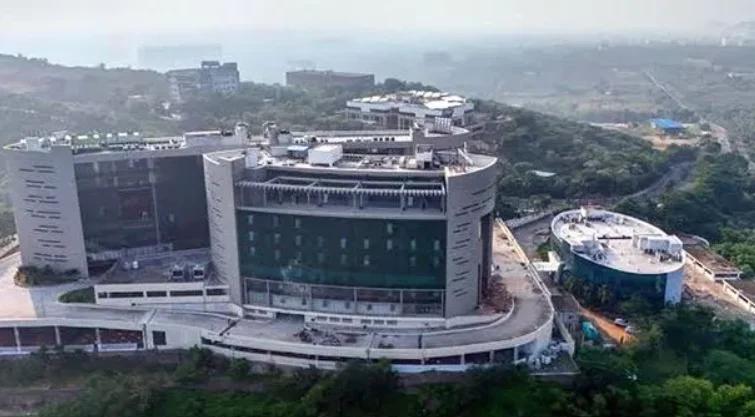
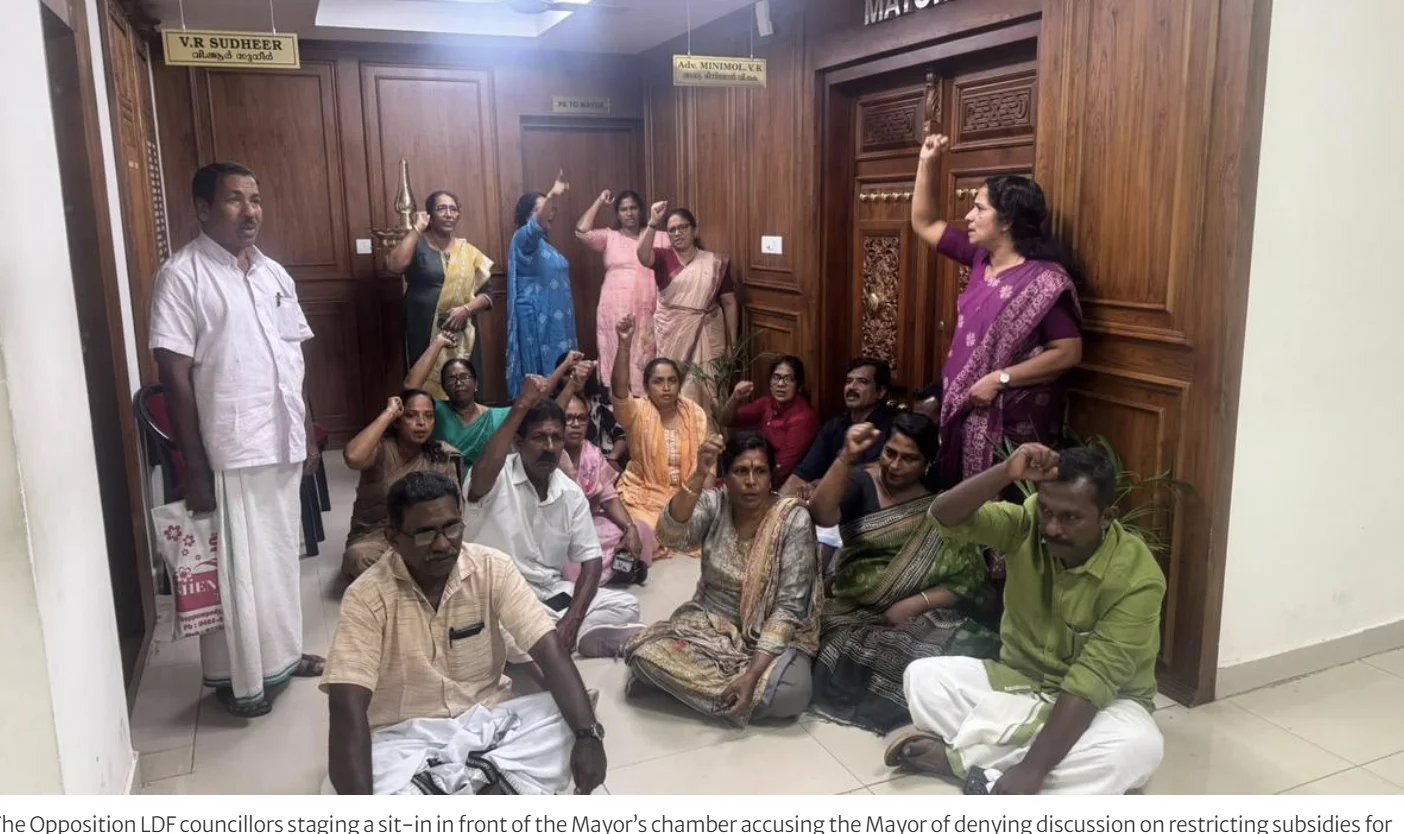
The Kochi Corporation council has approved a proposal to establish a new waste-treatment plant at Brahmapuram, marking a fresh step in the city's efforts to strengthen its solid-waste management infrastructure.
The decision comes as Kochi faces the continuing challenge of managing increasing volumes of municipal waste and improving the efficiency of waste processing.
Brahmapuram has long been a central part of Kochi's waste-management system, making the proposed facility significant for the city's wider waste strategy.
Why Brahmapuram Matters
Brahmapuram has served as a major waste-management location for Kochi for several years.
The area has been used for handling and processing municipal waste generated across the city. However, increasing waste volumes have placed greater pressure on existing infrastructure and created the need for additional processing capacity.
The new proposal is intended to strengthen the infrastructure available at the site.
Growing Need for Waste-Processing Capacity
Rapid urbanisation and changing consumption patterns have contributed to increasing amounts of municipal solid waste.
If waste is not collected, segregated and processed efficiently, it can create serious public-health and environmental problems. Poorly managed waste can also result in odour, pollution and the accumulation of untreated material.
A new processing facility could help increase the city's ability to handle waste in a more systematic manner.
Focus on Scientific Waste Management
A key objective of modern waste-management systems is to process waste through scientific and environmentally controlled methods.
Segregating organic waste, recyclable materials and other categories can make recycling and resource recovery more efficient.
Better processing capacity can also reduce the amount of waste that ultimately has to be disposed of in landfills or storage areas.
Brahmapuram's Troubled Waste-Management History
Brahmapuram has previously attracted attention because of problems associated with waste accumulation, fires, odour and environmental concerns.
Those issues have increased scrutiny of waste-management practices at the site.
The proposed new facility will therefore need to operate with strong safeguards for pollution control, fire prevention, waste segregation and environmental monitoring.
Environmental Safeguards Will Be Important
The construction of a new plant alone will not resolve the challenges associated with waste management.
The facility will need appropriate systems to manage odour, emissions, wastewater and other environmental risks. Proper monitoring will also be important to ensure that waste processing does not create additional problems for nearby communities.
Environmental compliance is expected to be an important part of the project's implementation.
What the Project Could Mean for Kochi
If successfully implemented, the new plant could provide additional waste-processing capacity for Kochi.
This could help reduce the accumulation of untreated waste and allow the corporation to process waste collected from different parts of the city more efficiently.
The facility could also support broader efforts to improve recycling and resource recovery.
What Happens After the Council Approval?
The council's approval is an important administrative step, but several stages remain before the facility can become operational.
Project planning, technical design, construction arrangements, environmental approvals and operational mechanisms will need to be worked out.
The eventual impact of the facility will depend on its capacity, technology, management model and adherence to environmental standards.
Long-Term Waste Management Requires More Than a Plant
While additional processing infrastructure is important, experts and urban planners have consistently emphasised that sustainable waste management also depends on source segregation, recycling, composting and public participation.
Households and businesses play a major role in reducing the amount of mixed waste reaching treatment facilities.
The proposed Brahmapuram plant could therefore become an important component of Kochi's waste-management system, but its success will ultimately depend on how effectively it is integrated with the city's broader waste strategy.