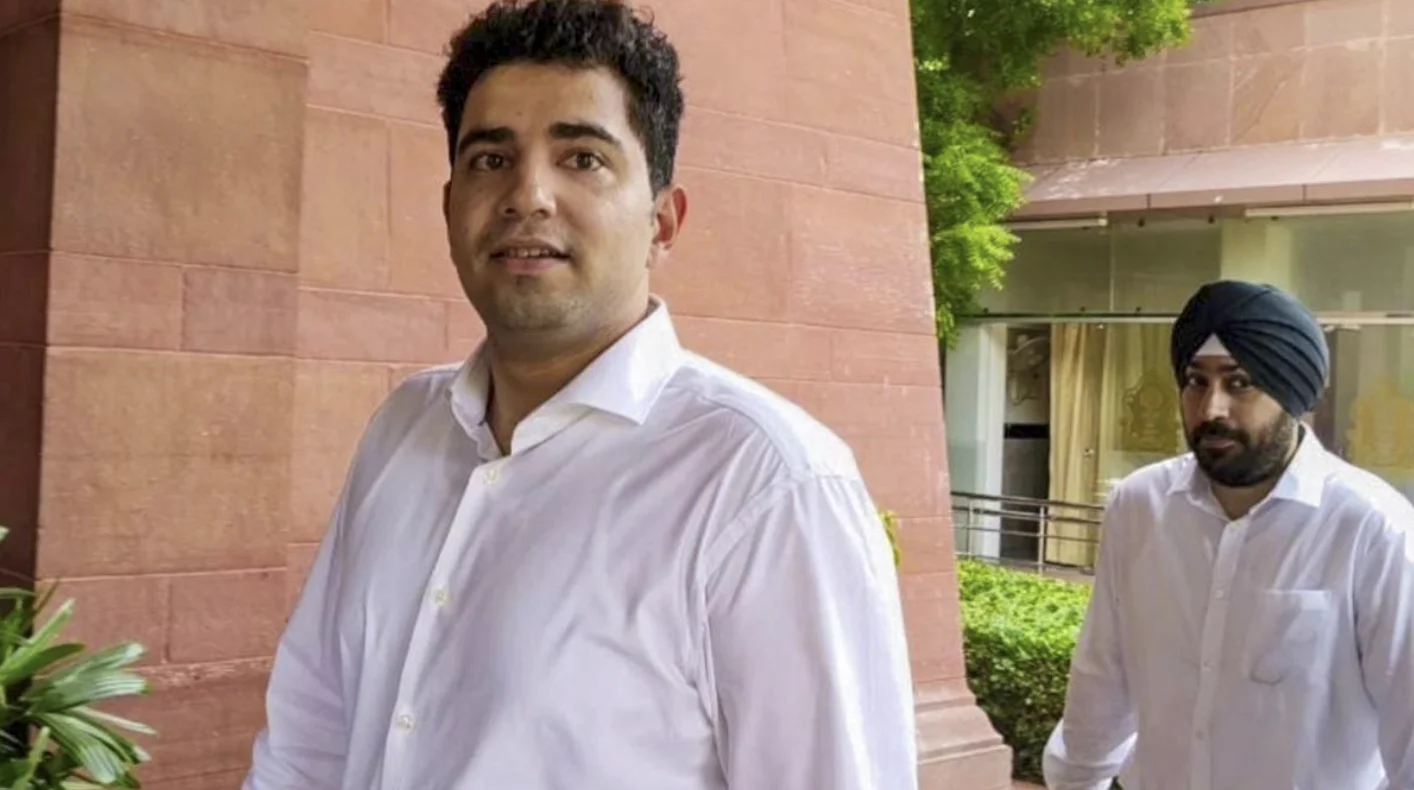
Samay Raina Gets Relief From Supreme Court
Comedian Samay Raina has received major relief from the Supreme Court, which has quashed criminal proceedings connected to alleged derogatory remarks concerning persons with disabilities.
The case had attracted attention because it involved questions surrounding comedy, online content, freedom of expression and the dignity of persons with disabilities.
Four Others Also Get Relief
The relief extends beyond Raina. The Supreme Court also quashed proceedings involving Niharika NM, Balraj Ghai, Apoorva Mukhija and Ashish Chanchlani.
The individuals had faced legal action over content and remarks that were alleged to be offensive towards persons with disabilities.
Remarks Triggered Legal Action
The controversy began after remarks concerning persons with disabilities led to complaints and subsequent criminal proceedings.
The complainants alleged that the comments were derogatory and could undermine the dignity and rights of persons with disabilities.
The matter eventually reached the Supreme Court after proceedings continued through the legal system.
Supreme Court Quashes Proceedings
The Supreme Court's decision brings an end to the criminal proceedings against the five individuals in connection with the allegations.
The ruling provides significant legal relief to Raina and the other respondents while also bringing attention to the wider question of how criminal law should be applied to comedy and online speech.
Freedom of Expression and Limits of Comedy
The case has renewed the debate over the boundaries of comedy and freedom of expression.
Stand-up comedians and digital creators often rely on satire, exaggeration and provocative humour. However, the use of such forms of expression can raise difficult questions when jokes involve vulnerable or marginalised communities.
The balance between creative freedom and protecting an individual's dignity remains an important issue in such cases.
Responsibility of Public Figures
Public figures and content creators can reach millions of people through social media and digital entertainment platforms.
Because of that reach, comments made as part of entertainment can have consequences beyond the immediate audience. The case highlights the importance of considering the potential impact of remarks concerning sensitive groups.
Disability Rights Remain an Important Concern
The controversy also draws attention to the broader issue of dignity and equality for persons with disabilities.
India's legal framework provides protections against discrimination and seeks to promote equal participation for persons with disabilities. Public discussion around disability therefore increasingly focuses not only on legal rights but also on representation and social attitudes.
Implications for Digital Creators
The case is particularly relevant for comedians, influencers and other digital creators whose work reaches large audiences.
While creative freedom remains an important principle, creators must also consider whether content crosses legal or ethical boundaries, especially when it concerns children, persons with disabilities or other vulnerable communities.
Broader Significance of the Ruling
The Supreme Court's decision provides relief to Samay Raina and the four other individuals while also contributing to the continuing legal discussion over speech, comedy and public accountability.
The larger challenge remains finding an appropriate balance between protecting freedom of expression and ensuring that vulnerable groups are not subjected to degrading or discriminatory treatment.