For years, matcha in India was largely associated with Japanese tea ceremonies, expensive café drinks and carefully styled social-media photographs.
That is changing.
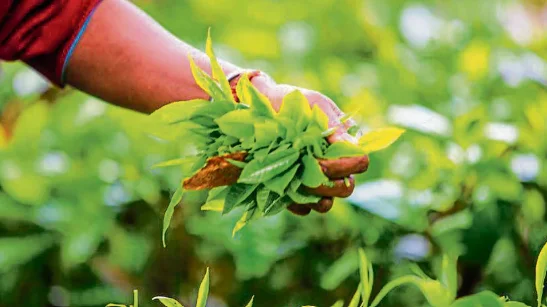
India is now beginning to grow its own matcha, bringing one of the world's most recognisable powdered teas into the country's long-established tea-growing landscape.
The development is particularly significant in Assam, one of India's major tea-producing regions. Chota Tingrai Tea Estate in Tinsukia district has produced and commercially sold matcha, marking a new direction for India's tea industry. Reports said the first commercial batch was sold through the Guwahati Tea Auction Centre.
What makes matcha different?
Matcha comes from the same Camellia sinensis plant used to make conventional tea. The difference lies largely in how the tea is cultivated and processed.
For matcha, tea plants are grown under shade before harvesting. The leaves are then processed and finely ground into a powder.
Unlike regular green tea, where the leaves are steeped and discarded, matcha powder is whisked into water and consumed along with the drink. This gives matcha its distinctive colour, texture and concentrated flavour.
The technique has deep roots in East Asian tea culture, particularly Japan, where matcha became closely associated with the traditional tea ceremony.
Assam enters the matcha story
India's move into matcha production represents an attempt to diversify beyond conventional tea.
Assam already has a globally recognised tea industry and extensive experience in cultivating Camellia sinensis. Producing matcha allows estates to explore a higher-value segment of the international and domestic specialty-tea market.
The move has also involved Japanese expertise and specialised processing technology. Reports on the Assam initiative describe a long-running India-Japan collaboration aimed at introducing Japanese matcha-making techniques and machinery into the Indian tea sector.
The first commercial sale reportedly fetched around ₹3,000 per kg, giving an indication of the premium positioning of locally produced matcha.
India’s matcha appetite is growing
The timing could hardly be more interesting.
Matcha has rapidly moved from a niche café order to a mainstream lifestyle trend in India. Google data released in September 2026 showed that searches for “how to make matcha” increased 1,300% over the previous year.
Searches for “matcha” and “what is matcha” also rose by about 50%, while searches for matcha-related equipment such as whisks and bowls became breakout queries in August.
The trend is not limited to traditional matcha drinks. Indians are experimenting with mango matcha, strawberry matcha, coconut matcha and “dirty matcha”, combining the Japanese-style tea with flavours and ingredients familiar to the Indian café market.
From café trend to home ritual
Perhaps the biggest change is happening inside homes.
Consumers are increasingly buying matcha kits, whisks and bowls and learning how to prepare the drink themselves. This suggests that matcha is moving beyond an occasional café purchase and becoming part of everyday beverage routines.
Interest is also being driven by wellness and nutrition conversations. Google data showed searches for “matcha health” rose 1,000%, while “matcha protein” increased 2,500% over the past year. Searches comparing matcha with coffee also gained significant interest.
That does not automatically make matcha a miracle health drink, but it does show how strongly consumers are connecting the beverage with wellness and lifestyle choices.
Can Indian matcha compete globally?
The bigger question now is whether India can develop a distinctive matcha industry rather than simply imitate an established Japanese product.
Quality, cultivation techniques, shade management, processing, grinding and consistency will all determine whether Indian matcha can command premium prices.
For tea estates, however, the opportunity is clear. A growing domestic market combined with international interest in specialty teas could give producers another avenue for diversification.
India has spent generations building its reputation as a tea-producing country. Matcha offers an opportunity to add another chapter to that story.
The green powder that once arrived primarily from abroad may now increasingly carry an Indian address — with Assam potentially at the centre of that transformation.