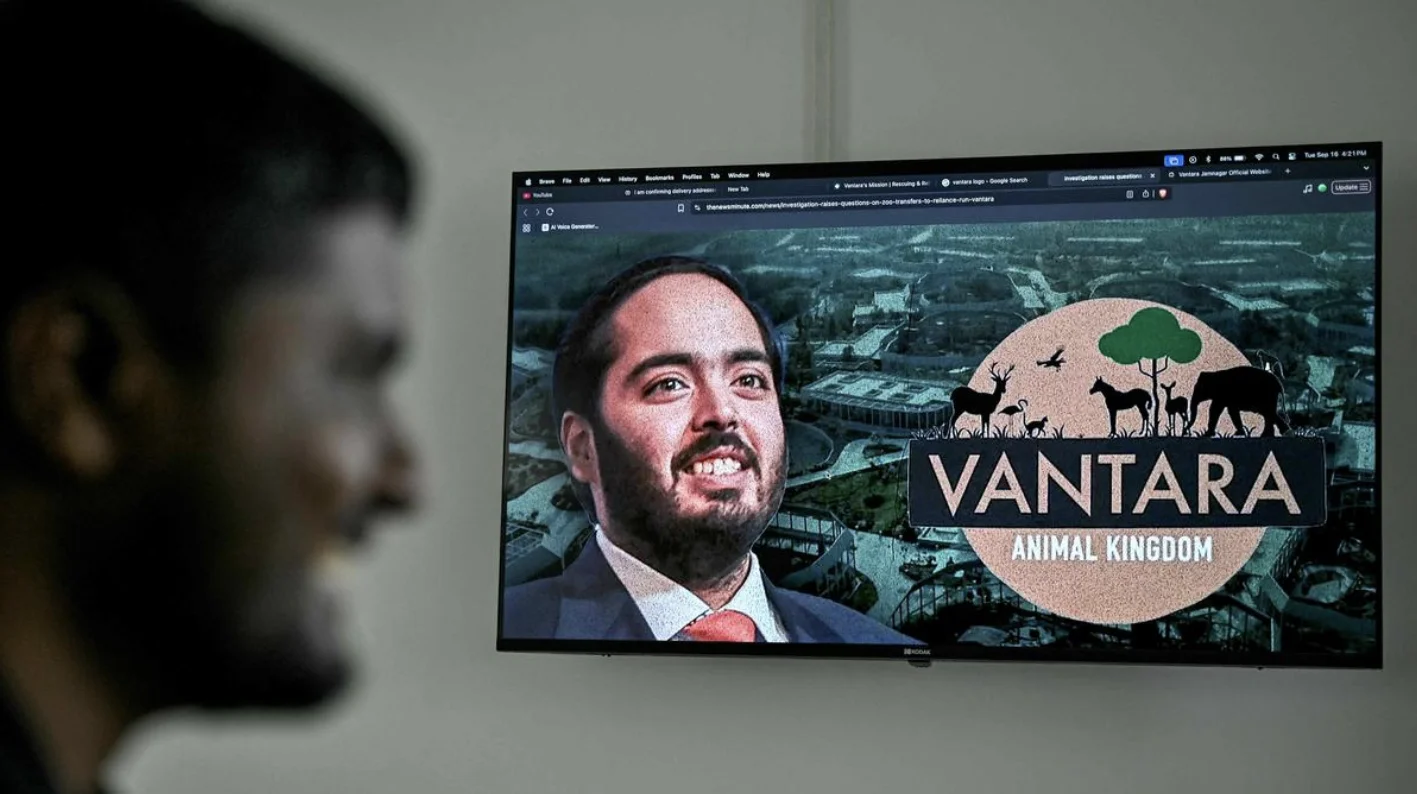
Vantara Reassesses Its Approach
Vantara, one of India's most prominent large-scale animal welfare and conservation initiatives, is reassessing aspects of its operations as it considers its future direction.
The review comes amid growing discussion around the movement of animals across international borders, conservation practices and the responsibilities involved in caring for large numbers of animals.
The initiative is associated with Indian industrialist Anant Ambani.
Rethinking Overseas Animal Imports
Vantara has attracted international attention for bringing animals from different parts of the world into its facilities.
However, international animal transfers involve complex considerations.
Animal health, transportation conditions, quarantine requirements, regulatory approvals and long-term welfare all have to be taken into account when animals are moved between countries.
The latest rethink could lead to a more selective approach to future imports.
Greater Focus on Animal Welfare
Animal rescue, treatment, rehabilitation and long-term care are central to the broader conservation model.
Providing appropriate medical treatment for injured, sick or rescued animals requires specialised veterinary facilities and trained personnel.
The emphasis on welfare also extends beyond providing shelter to ensuring appropriate living conditions, nutrition, medical care and behavioural well-being.
Importance of Indian Wildlife Conservation
The debate also highlights the importance of protecting India's own wildlife.
Indian wildlife faces challenges including habitat loss, illegal hunting, human-wildlife conflict and environmental degradation.
Greater investment in the protection and rehabilitation of native species could therefore have wider conservation benefits.
Scientific Rehabilitation
Rescuing an animal is only the first stage of the conservation process.
After treatment, specialists may need to evaluate the animal's physical condition, behaviour and ability to survive independently.
Where appropriate, rehabilitation programmes can ultimately aim to return animals to suitable natural environments.
Large-Scale Infrastructure
A major animal conservation centre requires extensive infrastructure.
Facilities can include specialised habitats, veterinary hospitals, surgical units, quarantine areas, nutrition and food-management systems and research facilities.
Operating such infrastructure also requires veterinarians, animal-care specialists, researchers and trained support staff.
Transparency and Oversight
Large private conservation initiatives also face questions about transparency and oversight.
Clear information about the origin of animals, their health, transportation, treatment and long-term care can help strengthen public confidence.
Transparent conservation practices are particularly important when animals are transferred across international borders.
International Standards
International movement of wildlife is subject to regulatory and conservation requirements.
Health certificates, quarantine procedures, permits and species-protection regulations can all play a role in the process.
A more cautious approach to future imports could therefore become an important part of Vantara's evolving strategy.
From Rescue to Research
Modern conservation centres increasingly serve purposes beyond animal rescue.
They can support veterinary medicine, research, training and the development of new approaches to wildlife rehabilitation.
Research into animal health, behaviour, genetics and rehabilitation can contribute to broader conservation knowledge.
Wider Implications for India
If Vantara shifts greater attention towards native wildlife conservation and rehabilitation, its approach could influence discussions around the role of private investment in India's conservation sector.
Collaboration between private organisations, researchers, veterinarians, government agencies and conservation specialists could create new opportunities for wildlife protection.
Conclusion
Vantara is reassessing its approach to animal imports and appears to be considering a greater emphasis on conservation, rehabilitation and animal welfare.
The shift could place greater attention on native wildlife, scientific veterinary care and long-term rehabilitation while taking a more selective approach to international animal transfers.
As one of India's largest private conservation initiatives, the direction Vantara takes next is likely to remain an important part of the wider debate over private participation in wildlife conservation.