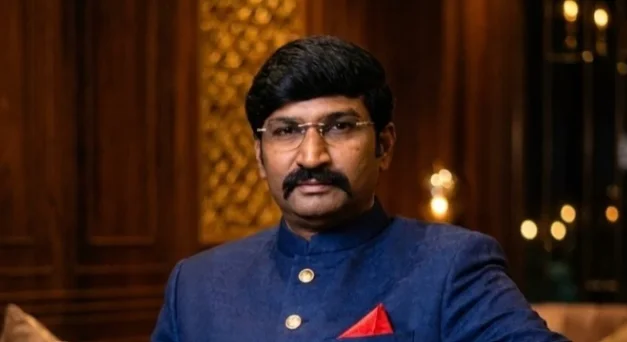
Bengaluru entrepreneur and MillD Protein Atta co-founder Sivaram Briyas has shared a personal reflection on work, health and the importance of taking time off after spending four months in an intensive care unit.
In a recent LinkedIn post, Briyas recalled how, for much of his career, Sundays were rarely days off. He described them as “a slower Monday”, saying that calls, factory visits and work-related responsibilities regularly occupied his weekends.
Briyas said he had once taken pride in working continuously, believing that entrepreneurs were expected to remain available even on holidays and weekends.
That approach changed dramatically after a serious accident in July 2024. According to his own account, a speeding car crossed a divider and crashed into the vehicle he was travelling in on Bengaluru's Nice Road. Briyas survived but spent four months in the ICU and underwent 18 surgeries. His weight fell from 64 kg to 40 kg during his hospitalisation.
Four months in ICU changed his perspective
Reflecting on his recovery, Briyas said the experience made him reconsider his understanding of productivity.
He recalled doctors explaining that the body becomes stronger during recovery and rest rather than during constant exertion. For him, that lesson extended beyond physical health to entrepreneurship and business management.
Briyas said the same principle could apply to founders. Important ideas do not necessarily emerge while sitting in meetings or continuously monitoring business dashboards. Sometimes, stepping away from work allows people to think more clearly and notice things they might otherwise miss.
Why he stopped treating Sundays as workdays
Briyas also reflected on the effect of his earlier work habits on his family life. He recalled being physically present with his family while mentally remaining focused on business numbers and operational issues.
Today, he says he continues to work hard but tries to protect his Sundays.
His message is not that entrepreneurs should avoid hard work. Instead, he argues that rest should be considered part of productive work rather than something that needs to be earned only after exhaustion.
Briyas's story has resonated online amid a broader debate around long working hours, startup culture and work-life balance. His experience highlights the risks of treating constant availability and overwork as essential qualities of entrepreneurship.
For founders and professionals alike, his message is straightforward: working harder does not always mean working better, and recovery can be an important part of long-term performance.