




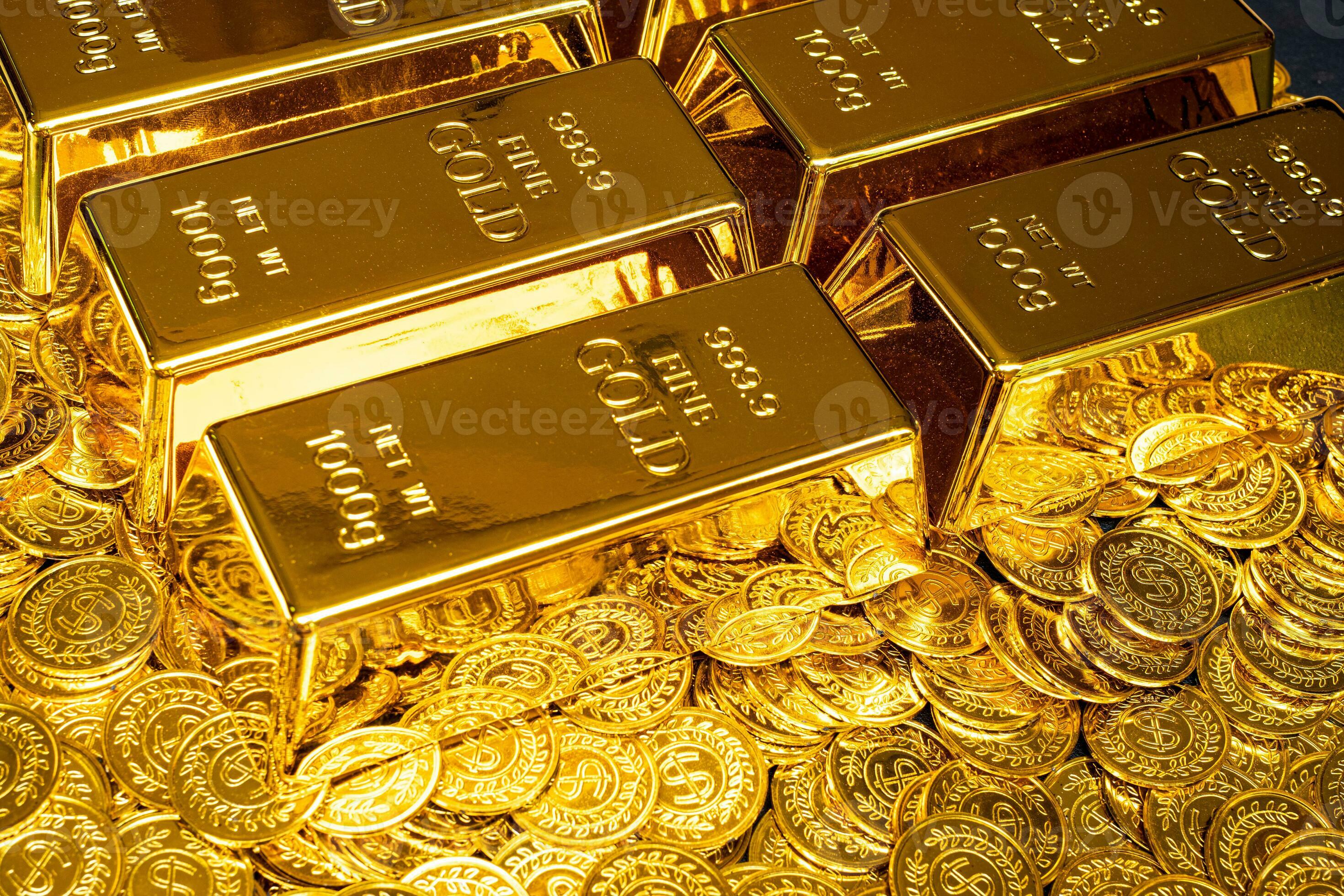
Gold prices keep fluctuating frequently, leading many people to wonder who actually decides them. Changes in the international market directly impact gold prices in India as well. But is it the government or traders who fix gold rates in India? Let’s understand.
Currently, gold prices are rising sharply, with 10 grams of gold priced around ₹1.60 lakh. Financial experts say prices may rise further in the future. However, gold rates do not remain the same every day. They change based on global developments such as wars, inflation, economic uncertainty, and demand fluctuations.
Who Fixes Gold Prices in India?
In India, gold prices are primarily set by the India Bullion and Jewellers Association (IBJA). This organisation determines rates based on international market trends, rupee value, domestic demand, taxes, and supply conditions.
The IBJA publishes gold prices twice a day—once in the morning and once in the evening. These rates are not directly set by the government or individual traders.
How Does IBJA Work?
The association includes gold importers, major banks, and leading bullion traders as its members. They assess global market conditions and domestic economic factors before finalising the rates.
Factors Affecting Gold Prices
India imports a large portion of its gold, so international prices (denominated in US dollars) play a key role. When the rupee weakens, gold becomes more expensive.
Seasonal demand, especially during festivals, also pushes prices higher. In addition, taxes imposed by central and state governments, including GST, influence price changes. Transportation costs and regional variations further contribute to differences in gold rates across locations.