


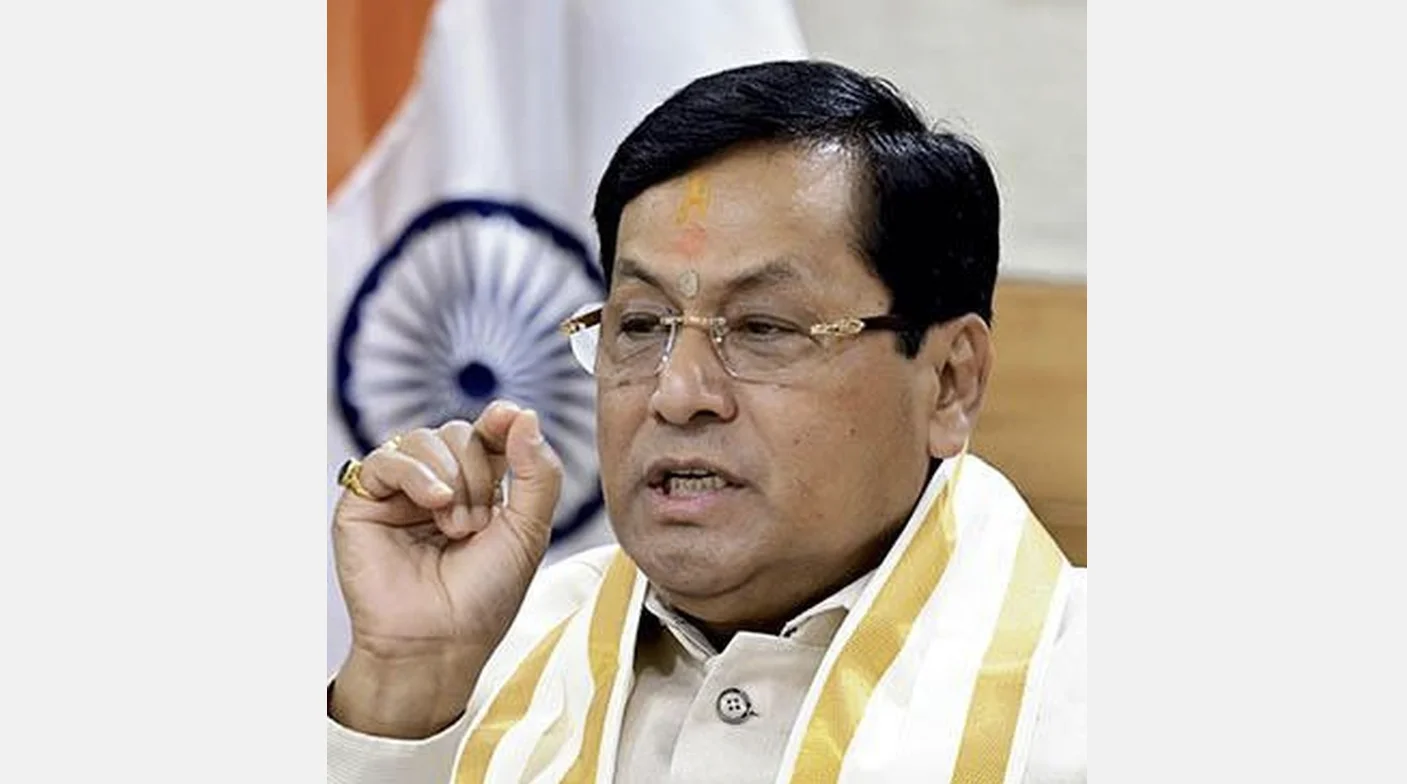
India needs to strengthen its own merchant shipping capacity as its international trade continues to expand, Union Minister for Ports, Shipping and Waterways Sarbananda Sonowal has said.
A significant share of India's international trade moves by sea, but Indian-owned ships account for only a limited portion of the cargo carried on global routes. This leaves the country dependent on foreign shipping companies for a large part of its trade.
Sonowal said India needs to build greater control over its maritime trade and that the government is working towards adding 100 more ships to the country's merchant fleet.
The expansion is aimed at improving India's ability to transport its own imports and exports while reducing exposure to disruptions in the global shipping market.
The importance of domestic shipping capacity has increased as international trade faces repeated disruptions. Geopolitical tensions, security concerns along major sea routes, changes in fuel prices and interruptions to global supply chains can all increase freight costs and affect the movement of goods.
A larger Indian merchant fleet could provide greater resilience during such periods. Indian-owned vessels could play a more significant role in transporting essential commodities, including crude oil, raw materials, food products and industrial goods.
Building a stronger fleet also has economic implications. If more Indian companies participate in transporting the country's international trade, a larger share of shipping revenue could remain within the domestic economy.
The government sees shipping as part of a broader effort to strengthen India's maritime economy. This includes improving ports, expanding cargo-handling capacity, developing inland waterways and improving connections between ports and industrial centres.
The development of the domestic shipbuilding industry is another important part of the strategy. Increasing India's ability to build modern commercial vessels locally could reduce dependence on foreign shipyards while creating opportunities for investment, employment and technology development.
India's growing economy is expected to generate higher demand for maritime transport. As exports and imports increase, the need for reliable shipping services will also rise.
The government therefore wants the country's maritime infrastructure to grow alongside its trade. Ports alone cannot support a strong trading economy if Indian businesses remain heavily dependent on overseas shipping companies to move cargo.
Increasing the merchant fleet could also strengthen India's position in global shipping. Indian carriers with larger fleets would have more opportunities to compete on international routes and participate in the growing global logistics market.
However, expanding the fleet by 100 ships will require substantial investment. Shipping companies need access to finance, modern vessels, skilled crews and efficient maintenance facilities. India will also need stronger shipbuilding and repair infrastructure if it wants to sustain a larger fleet over the long term.
Competition in the international shipping industry is intense, with major global carriers operating large fleets across established trade routes. Indian companies will therefore need to improve efficiency and scale to compete effectively.
The government is also working on broader maritime initiatives aimed at improving logistics efficiency and reducing the time and cost involved in moving goods. Better connectivity between ports, highways, railways and industrial hubs is expected to make India's trade infrastructure more competitive.
For India, building a stronger merchant fleet is ultimately about having greater control over an important part of its international trade. With the government targeting another 100 ships, the country is looking to expand its maritime presence while preparing for the continued growth of its economy and global trade.