


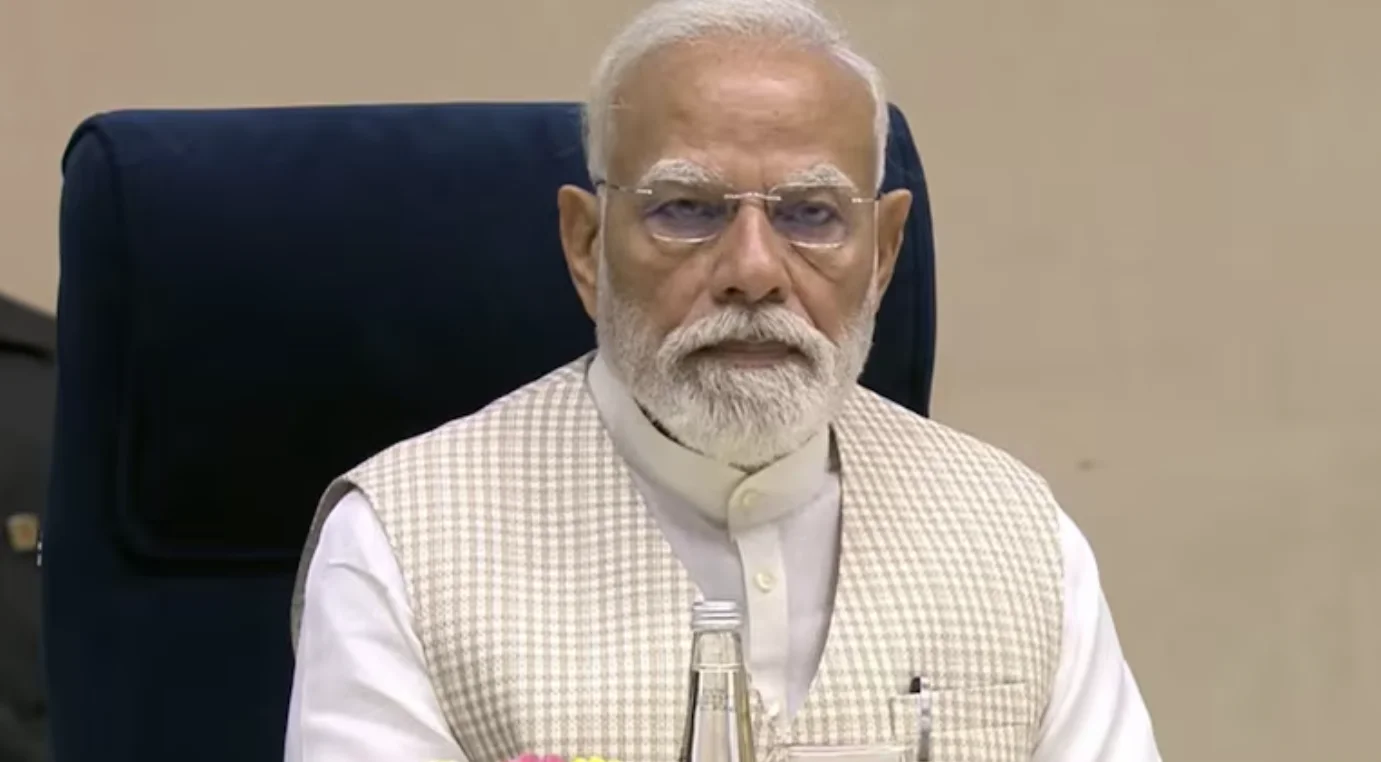
Prime Minister Narendra Modi has called for faster implementation of major infrastructure projects while making it clear that speed should not come at the expense of quality.
At the 53rd PRAGATI meeting on Tuesday, Modi reviewed six infrastructure projects with a combined value of more than ₹30,000 crore. The projects cover the railway, road and power sectors and are spread across nine states.
The review focused on project timelines, coordination between different agencies and the resolution of issues that have been holding up implementation.
Modi asked ministries, state governments and implementing agencies to work more closely and take greater ownership of projects. He stressed the need for a proactive approach so that problems can be identified and resolved before they result in significant delays.
According to the Prime Minister, delays in infrastructure projects have consequences that extend beyond higher construction costs. When a project is delayed, the benefits expected by citizens, businesses and the wider economy are also postponed.
He therefore called for a stronger focus on timely execution while maintaining strict quality standards throughout the construction process.
The Prime Minister also emphasised that large infrastructure projects should be treated as integrated systems rather than collections of separate components.
Individual sections of a project may progress according to schedule, but the overall investment cannot deliver its intended benefits until the complete project is ready for use. Ensuring that different components are completed in a coordinated manner is therefore essential.
Modern technology should be used more extensively during project execution, Modi said. He also called for stronger quality assurance and supervision at every stage of construction.
The meeting also considered the possibility of developing common utility corridors wherever technically and economically feasible, particularly while planning major transport projects.
Such an approach could allow different infrastructure services to share planned corridors and reduce the need for repeated excavation when new utility networks have to be installed.
Beyond infrastructure, the PRAGATI meeting also reviewed the implementation of AgriStack and the use of technology in agriculture.
Modi called for better use of agricultural data across the value chain, from planning inputs to processing. He said more effective use of data could help improve government interventions, target support more accurately and enable better decision-making.
The Prime Minister also encouraged greater use of artificial intelligence in agricultural data systems. AI-based tools could help process large amounts of information and support more targeted interventions across different stages of agricultural activity.
Cyber fraud was another major issue discussed during the meeting. Modi stressed that prevention needs sustained attention, particularly as fraudsters continue to develop new methods.
He called for regular public-awareness campaigns to help people recognise common fraud techniques, warning signs and safe digital practices.
The Prime Minister specifically highlighted the need to protect groups that may be more vulnerable to digital scams, including senior citizens and young people.
He also called for continuous training and capacity-building for personnel involved in combating cybercrime. As fraudulent schemes evolve, officials need to be able to identify new patterns quickly and respond effectively.
The meeting therefore covered a broad range of issues, from the execution of major public infrastructure projects to the use of technology in agriculture and the growing challenge of digital fraud.
For infrastructure development, the message was clear: projects worth thousands of crores need to move forward quickly, but faster construction must be matched by strong quality controls and effective coordination.
The review of six projects worth more than ₹30,000 crore also underlined the government's focus on resolving bottlenecks rather than allowing delays to accumulate.
At the same time, the discussion on AgriStack, AI and cyber fraud showed the government's wider emphasis on using technology to improve public services, decision-making and digital security